


- orshu
- •
- 7 Min Read
- •
- 2 hours ago
Key Points
- Zero- and low-alcohol drinks are gaining mainstream traction at global trade shows
- Younger, health-conscious consumers are driving structural demand shifts
- Traditional producers face pressure to innovate or risk long-term volume decline.
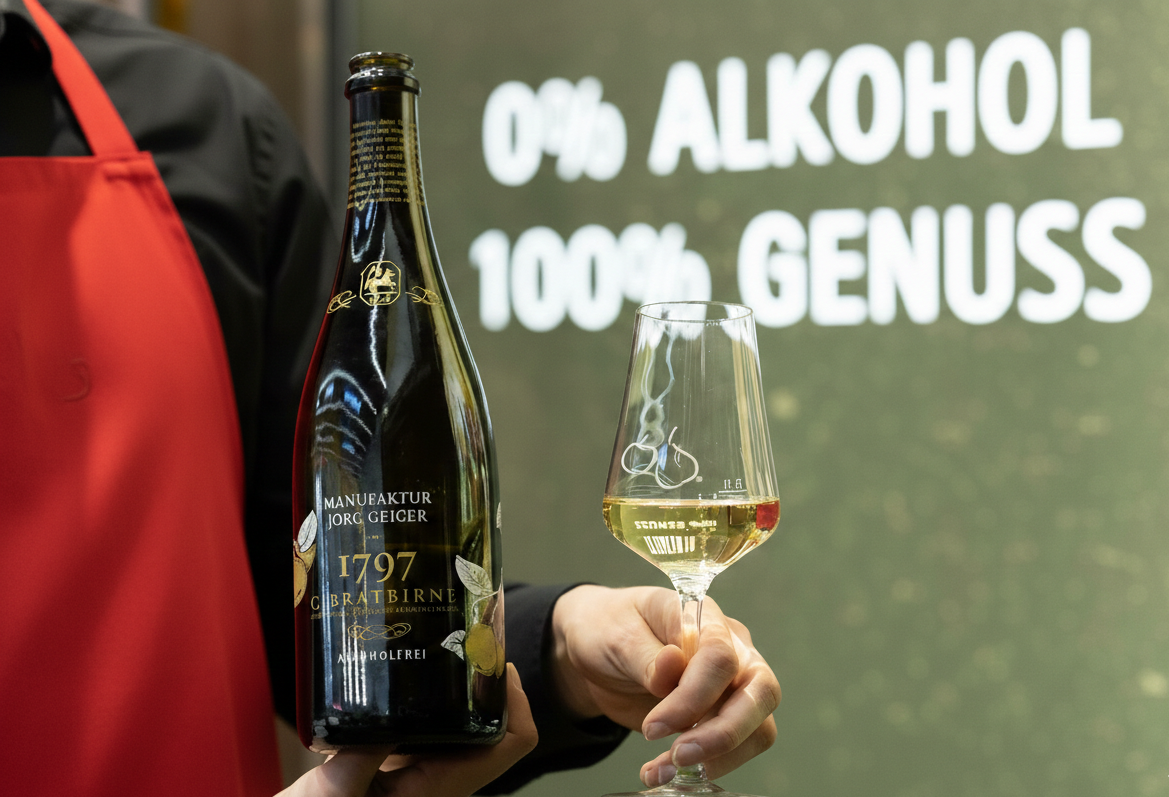
At a major international wine and spirits trade fair in Paris this week, one trend stood out clearly: zero- and low-alcohol beverages are no longer niche products tucked into a corner of the exhibition floor. They are becoming a strategic pillar of the global drinks industry. From alcohol-free reds and sparkling wines to sophisticated botanical blends, producers are responding to a structural shift in consumer behavior that is reshaping demand in France, the United States, and beyond.
The change is unfolding against a broader backdrop of declining alcohol consumption in mature markets. In France, per-capita drinking has fallen sharply over the past half-century, while in the U.S., surveys show fewer Americans reporting regular alcohol use. For an industry historically anchored in tradition and ritual, the emergence of credible non-alcoholic alternatives represents both disruption and opportunity.
A Cultural Shift Meets Commercial Reality
France’s wine culture has long been intertwined with daily life and social identity. Yet generational attitudes are evolving. Younger consumers are drinking less frequently, choosing different formats, or abstaining altogether. Health awareness, workplace demands, and lifestyle changes are influencing purchasing decisions.
At the Paris show, producers from Europe, Australia, South Africa and New Zealand promoted alcohol-free wines with slogans emphasizing “no regrets” and mindful consumption. For many consumers, the appeal lies not in rejecting wine culture outright but in preserving the social ritual without the physical consequences.
Industry data reinforce the trend. Dutch brewer Heineken recently announced job cuts following weaker beer sales, while reporting double-digit growth in its no/low portfolio across 18 markets. Meanwhile, the French government has offered financial incentives to winegrowers to uproot vineyards producing oversupplied vintages, underscoring the pressure facing traditional producers.
The structural message is clear: legacy demand is softening, and producers must adapt.
From Niche to Inclusion Strategy
For entrepreneurs and small producers, zero-alcohol beverages represent a path to inclusion as well as growth. Consumers who abstain for religious, health or personal reasons increasingly expect high-quality alternatives that replicate the complexity and presentation of traditional wine.
Producers such as Austrian alcohol-free winemakers at the show argue the movement is not a passing trend but a response to modern lifestyles. Consumers balancing work, family and social commitments are less willing to accept next-day fatigue or reduced productivity.
This shift has commercial implications beyond wineries. Retailers, restaurants and hospitality groups are expanding shelf space and menu options for non-alcoholic offerings, recognizing their role in attracting broader demographics. In markets like Israel, where health-conscious and religious consumers form significant segments, the trend may offer parallel growth opportunities.
Strategic Implications for the Global Drinks Market
The rise of no/low beverages challenges producers to rethink brand positioning and product development. Traditional wine sales in parts of Europe are under pressure, while innovation is concentrated in alternative categories. The question is no longer whether alcohol-free products have a market, but how quickly that market can scale.
Producers that invest early in quality and branding may capture loyal customers before the segment becomes saturated. At the same time, price sensitivity remains a risk; many alcohol-free wines are priced similarly to their alcoholic counterparts, testing consumers’ willingness to pay.
Looking ahead, the zero-alcohol category could become a stabilizing force for an industry navigating demographic change and health-driven regulation. For investors and producers alike, the key will be distinguishing between cyclical softness in traditional alcohol demand and a deeper behavioral reset that permanently reshapes consumption patterns.
Comparison, examination, and analysis between investment houses
Leave your details, and an expert from our team will get back to you as soon as possible
* This article, in whole or in part, does not contain any promise of investment returns, nor does it constitute professional advice to make investments in any particular field.
To read more about the full disclaimer, click here
- orshu
- •
- 6 Min Read
- •
- ago 36 seconds
SKN | U.S. Markets Trade Sideways as Tech Strength Offsets Small-Cap Weakness
U.S. markets are trading with a cautious and uneven tone on February 12, as investors balance selective sector strength
- ago 36 seconds
- •
- 6 Min Read

U.S. markets are trading with a cautious and uneven tone on February 12, as investors balance selective sector strength
- orshu
- •
- 7 Min Read
- •
- ago 4 hours
SKN | Asia Markets Close Mixed as Korea Surges 3.13% While Hong Kong and India Retreat; Taiwan Exchange Closed for Holiday
Asian markets closed with mixed performances on February 12, 2026, as strong gains in South Korea and selective strength in
- ago 4 hours
- •
- 7 Min Read

Asian markets closed with mixed performances on February 12, 2026, as strong gains in South Korea and selective strength in
- orshu
- •
- 6 Min Read
- •
- ago 6 hours
SKN | European Markets Stabilize as Regional Benchmark Advances Despite Flat National Indices
European markets showed signs of stabilization on Thursday, February 12, 2026, as the broader regional benchmark advanced while most major
- ago 6 hours
- •
- 6 Min Read

European markets showed signs of stabilization on Thursday, February 12, 2026, as the broader regional benchmark advanced while most major
- orshu
- •
- 7 Min Read
- •
- ago 17 hours
SKN | US Markets Stall on February 11, 2026 as Brazil Surges and Wall Street Trades Flat
U.S. equity markets closed Wednesday, February 11, 2026, with little overall movement as investors digested recent swings in volatility and
- ago 17 hours
- •
- 7 Min Read

U.S. equity markets closed Wednesday, February 11, 2026, with little overall movement as investors digested recent swings in volatility and

