


- sagi habasov
- •
- 7 Min Read
- •
- 1 hour ago
Key Points
- Lenovo beat revenue expectations but warned of shipment pressure from memory shortages
- Profit declined 21% due to restructuring tied to AI strategy
- The company is pivoting toward AI inference to counter margin compression in its core PC business.
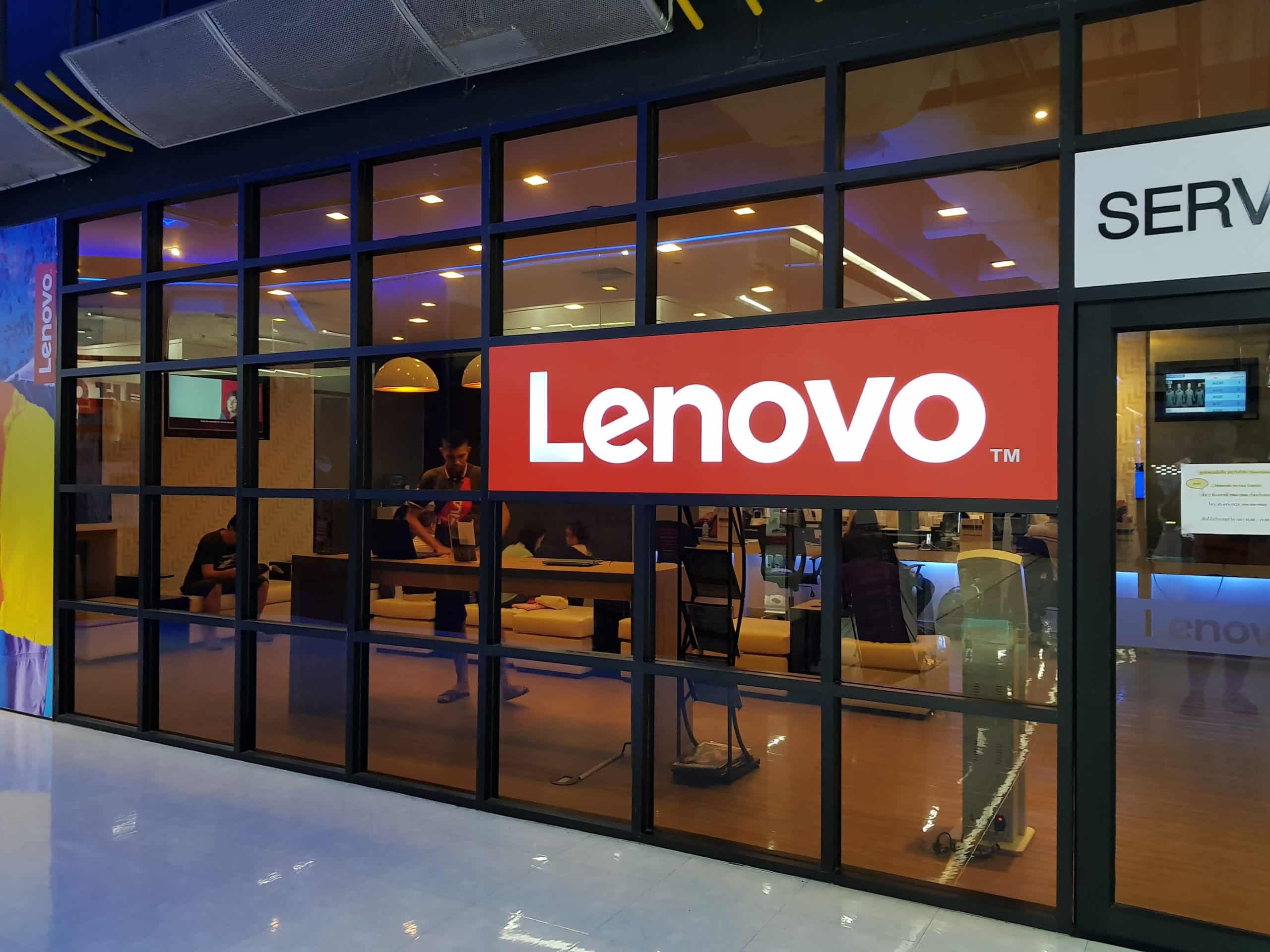
Lenovo Group, the world’s largest personal computer manufacturer, has cautioned that a worsening global memory-chip shortage is beginning to weigh on PC shipments, underscoring the ripple effects of surging artificial intelligence demand across the broader technology supply chain. While the Chinese tech giant delivered stronger-than-expected quarterly revenue, rising component costs and strategic restructuring charges compressed profitability and cast uncertainty over near-term volumes.
The warning comes at a delicate moment for global hardware markets. PC demand had shown tentative signs of stabilization after a prolonged post-pandemic slump, but supply-side disruptions—this time driven by AI-related chip demand rather than weak consumer appetite—are threatening that fragile recovery.
Revenue Growth Masks Margin Strain
Lenovo reported third-quarter revenue of $22.2 billion, up 18% year-on-year and comfortably above market expectations of $20.6 billion. However, net profit declined 21% to $546 million, largely due to a $285 million restructuring charge aimed at repositioning the company for AI-driven growth.
The figures illustrate a broader industry dynamic: top-line momentum supported by price adjustments and enterprise demand, but margins pressured by rising input costs. Memory chips—essential components in PCs and servers—have experienced supply constraints as semiconductor manufacturers prioritize higher-margin AI accelerators and advanced data center hardware.
To mitigate the impact, Lenovo has raised PC prices to offset surging memory costs. While this may preserve margins in the short term, it also risks dampening demand in price-sensitive segments, particularly in emerging markets.
AI Demand Reshapes the Hardware Landscape
Chief Executive Yang Yuanqing emphasized an accelerated push into the AI inference market, signaling a strategic pivot beyond traditional PC hardware. AI inference—where trained models are deployed to generate outputs in real-world applications—is emerging as a high-growth segment, requiring optimized servers and edge computing infrastructure.
Lenovo’s restructuring aims to sharpen focus in this area and deliver cost savings of up to $200 million over three years. For investors in both Asia and Western markets, this shift highlights a crucial transition: legacy hardware manufacturers are increasingly repositioning themselves as AI infrastructure providers.
However, the AI boom presents a paradox. While it opens new revenue streams, it also exacerbates supply constraints in legacy components such as DRAM and NAND memory, creating bottlenecks for PC and consumer electronics production. The reallocation of semiconductor capacity toward AI accelerators is reshaping the entire hardware value chain.
Balancing Volume and Strategy
Lenovo’s position as the largest global PC vendor provides scale advantages, but it also exposes the company to cyclical swings in enterprise and consumer spending. The current memory shortage adds a new layer of complexity: cost inflation without corresponding demand elasticity.
Investors will likely scrutinize how effectively Lenovo balances price increases with shipment volumes. In a market still recovering from pandemic-era inventory overhangs, sustained price hikes could test customer tolerance.
At the same time, the company’s move toward AI inference may appeal to long-term investors seeking exposure to structural technology trends rather than cyclical PC demand. Execution will be critical, particularly as competition intensifies from U.S. and Taiwanese hardware firms also targeting AI infrastructure.
Looking ahead, the trajectory of memory supply will be a decisive factor. If semiconductor capacity expands in late 2026, pressure on PC shipments could ease. Conversely, prolonged shortages may accelerate consolidation within the hardware sector and further entrench AI-centric capital allocation.
Comparison, examination, and analysis between investment houses
Leave your details, and an expert from our team will get back to you as soon as possible
* This article, in whole or in part, does not contain any promise of investment returns, nor does it constitute professional advice to make investments in any particular field.
To read more about the full disclaimer, click here
- omer bar
- •
- 7 Min Read
- •
- ago 2 minutes
SKN | Can Samsung’s HBM4 Shipments Close the AI Gap With Nvidia’s Key Suppliers?
Samsung Electronics has officially begun shipping its latest high-bandwidth memory chips, HBM4, marking a critical step in its effort to
- ago 2 minutes
- •
- 7 Min Read
Samsung Electronics has officially begun shipping its latest high-bandwidth memory chips, HBM4, marking a critical step in its effort to

- Arik Arkadi Sluzki
- •
- 6 Min Read
- •
- ago 14 hours
SKN | Nvidia Partner Surges After Earnings Beat as AI Demand Signals Momentum Into 2026
Shares of a major Nvidia partner surged following an earnings report that exceeded market expectations, underscoring the strength of
- ago 14 hours
- •
- 6 Min Read
Shares of a major Nvidia partner surged following an earnings report that exceeded market expectations, underscoring the strength of

- Lior mor
- •
- 6 Min Read
- •
- ago 14 hours
SKN | Shopify Delivers Record Q4 Results as AI Strategy Takes Center Stage
Shopify closed out fiscal Q4 2025 with a record performance, underscoring the platform’s relevance as global e-commerce activity stabilizes
- ago 14 hours
- •
- 6 Min Read
Shopify closed out fiscal Q4 2025 with a record performance, underscoring the platform’s relevance as global e-commerce activity stabilizes
- omer bar
- •
- 7 Min Read
- •
- ago 14 hours
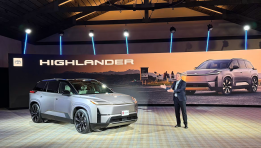
SKN | Toyota Bets Against the EV Pullback by Reinventing the Highlander as a Three-Row Electric SUV
Toyota’s decision to recast the Highlander as a fully electric, three-row SUV marks a notable strategic pivot at a
- ago 14 hours
- •
- 7 Min Read
Toyota’s decision to recast the Highlander as a fully electric, three-row SUV marks a notable strategic pivot at a

