


- Ronny Mor
- •
- 7 Min Read
- •
- 33 minutes ago
Key Points
- Leveraged ETFs magnify daily returns but reset exposure each session, creating volatility drag;
- Long-term outperformance depends on uninterrupted market trends;
- High fees and amplified drawdowns make them speculative tools best suited for short-term traders.
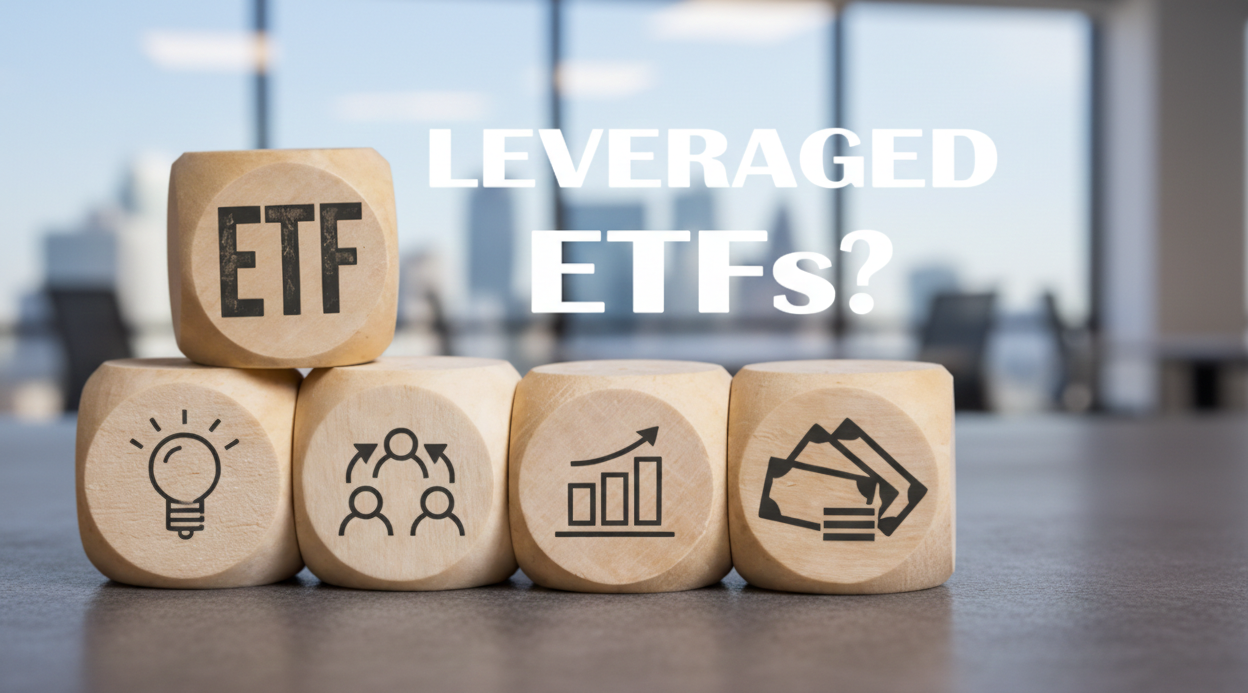
Exchange-traded funds have become a cornerstone of modern portfolio construction, offering broad diversification, liquidity, and low costs. Products tracking benchmarks such as the S&P 500 or Nasdaq-100 allow investors to gain exposure to hundreds of leading companies through a single trade. Yet within the ETF universe lies a far more aggressive subset: leveraged ETFs. Designed to multiply daily returns—often by two or three times—these instruments promise amplified upside. In reality, they also magnify risk in ways that many retail investors underestimate.
How Leveraged ETFs Actually Work
Unlike traditional ETFs that physically hold a basket of stocks, leveraged ETFs rely heavily on derivatives such as futures contracts and total return swaps. A fund seeking to deliver three times the daily performance of the S&P 500, for example, may synthetically create $300 million of exposure from $100 million in capital through swap agreements with financial institutions.
Crucially, this leverage resets daily. If the index rises 1% in a session, a 3x leveraged ETF aims to gain 3% that day. However, if the index falls 1% the next session, the ETF is designed to drop 3% from its new, higher base. Over time, especially in volatile or sideways markets, this daily reset can erode returns through a phenomenon known as volatility drag. In prolonged rallies, leveraged ETFs can dramatically outperform the underlying index. But in choppy markets, compounding losses can quickly overwhelm gains.
Fees add another layer of friction. Leveraged products often carry expense ratios close to 0.8%–1%, significantly higher than broad-market ETFs that charge a fraction of that cost. These higher expenses, combined with financing costs embedded in derivative contracts, further diminish long-term returns.
The Illusion of Long-Term Outperformance
Historical numbers can be seductive. Over the past decade, certain triple-leveraged S&P 500 products posted gains exceeding 1,300%, compared with roughly 270% for the benchmark itself. However, achieving that return required enduring extreme daily swings—often three times more volatile than the index.
Behavioral finance research suggests most investors struggle to remain invested during sharp drawdowns. Leveraged ETFs intensify these psychological pressures. A 5% market decline translates into a 10% or 15% drop in a leveraged product in a single day, potentially triggering panic selling at precisely the wrong moment.
Single-stock leveraged ETFs raise the stakes even further. Doubling daily moves in high-volatility stocks such as Nvidia may seem attractive during bullish phases, particularly amid the AI-driven rally. Yet concentrated exposure combined with leverage introduces asymmetric downside risk. A rapid correction can compound losses at an accelerated pace, undermining long-term capital preservation.
Who Are These Products Really For?
Leveraged ETFs were originally designed for short-term tactical traders and institutional participants seeking intraday positioning tools. For disciplined professionals who monitor exposures daily, these products can serve strategic purposes. For long-term investors focused on retirement savings or diversified growth, however, they rarely align with prudent risk management.
In markets increasingly driven by algorithmic trading and rapid information flow, volatility spikes can materialize unexpectedly. Leveraged ETFs amplify both opportunity and error, leaving little margin for miscalculation.
Looking ahead, as equity valuations remain elevated and macro uncertainty—from interest rate policy to geopolitical tensions—persists, leveraged ETFs may experience heightened swings. Investors should carefully assess whether amplified exposure fits within their broader asset allocation strategy. In many cases, traditional low-cost index ETFs provide a more sustainable path to long-term wealth accumulation.
Comparison, examination, and analysis between investment houses
Leave your details, and an expert from our team will get back to you as soon as possible
* This article, in whole or in part, does not contain any promise of investment returns, nor does it constitute professional advice to make investments in any particular field.
To read more about the full disclaimer, click here
- orshu
- •
- 6 Min Read
- •
- ago 5 hours
SKN | iShares Silver Trust Surges as Silver Momentum Accelerates in February Trading
The iShares Silver Trust delivered a notable performance on February 11, climbing sharply during active U.S. trading hours as
- ago 5 hours
- •
- 6 Min Read

The iShares Silver Trust delivered a notable performance on February 11, climbing sharply during active U.S. trading hours as

- omer bar
- •
- 6 Min Read
- •
- ago 16 hours
SKN | Is NAIL a High-Conviction Play on the U.S. Housing Cycle—or a High-Risk Trading Instrument?
The Direxion Daily Homebuilders & Supplies Bull 3X Shares (NAIL) has re-emerged as a high-volatility instrument for traders seeking leveraged
- ago 16 hours
- •
- 6 Min Read
The Direxion Daily Homebuilders & Supplies Bull 3X Shares (NAIL) has re-emerged as a high-volatility instrument for traders seeking leveraged

- sagi habasov
- •
- 7 Min Read
- •
- ago 1 day
SKN | Can AI Truly Replace Human Portfolio Managers? Israel’s FINQ Bets Big With Fully Autonomous US ETFs
Israel-based asset manager FINQ is taking one of the boldest steps yet in the evolution of quantitative investing, launching two
- ago 1 day
- •
- 7 Min Read

Israel-based asset manager FINQ is taking one of the boldest steps yet in the evolution of quantitative investing, launching two
- orshu
- •
- 6 Min Read
- •
- ago 1 day
SKN | JDST Edges Higher as Gold Volatility Tests Bearish Junior Miners Trade
The Direxion Daily Junior Gold Miners Index Bear 2X Shares (JDST) traded slightly higher on February 10, rising about
- ago 1 day
- •
- 6 Min Read

The Direxion Daily Junior Gold Miners Index Bear 2X Shares (JDST) traded slightly higher on February 10, rising about

