


- sagi habasov
- •
- 7 Min Read
- •
- 3 hours ago
Key Points
- Brent has reclaimed the $70 threshold amid tanker seizure concerns
- Geopolitical risk, not fundamentals, is currently driving price action
- Upcoming U.S. inventory data and OPEC reports could determine whether the rally has staying power.
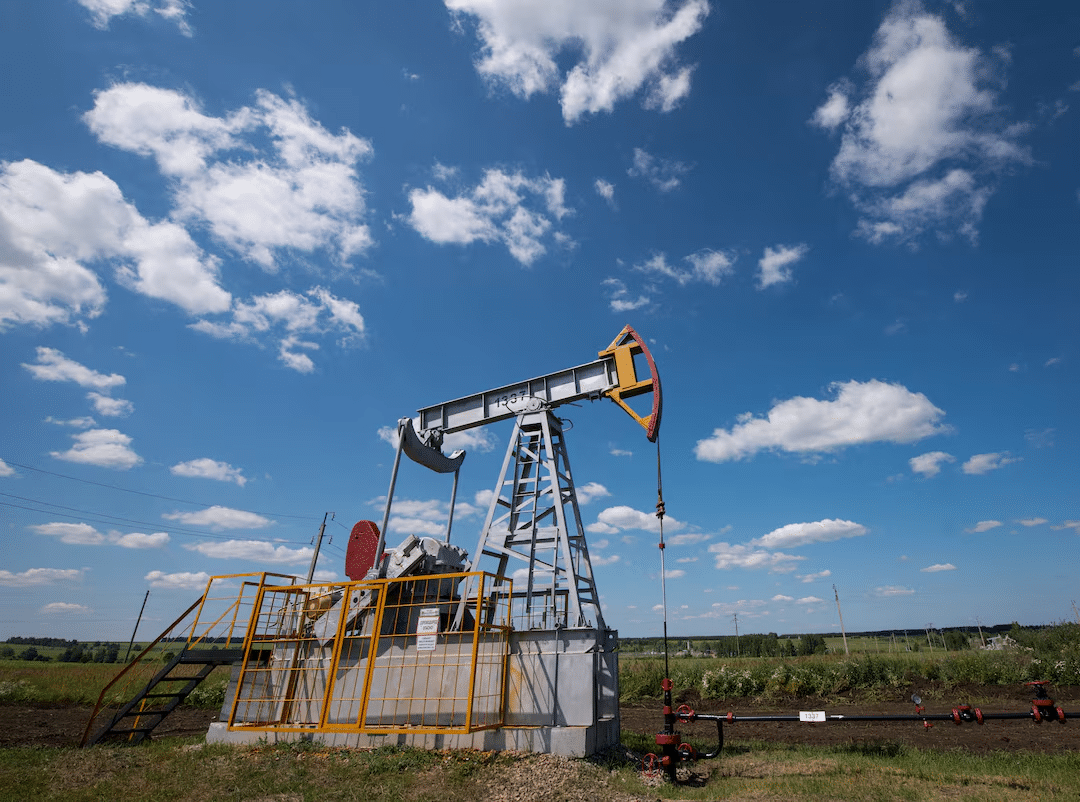
Oil markets are once again being driven less by barrels in storage and more by headlines out of Washington and Tehran. Brent crude climbed more than 2% to $70.29 a barrel, while West Texas Intermediate advanced to $64.67, as concerns over potential U.S. action against Iranian oil shipments revived a geopolitical risk premium that had faded in recent weeks. For investors in both Israel and the United States, the move underscores how fragile energy price stability remains amid an already complex macroeconomic backdrop.
Geopolitical Risk Premium Returns
The immediate catalyst for the rally was renewed discussion within the Trump administration about seizing additional tankers transporting Iranian oil — similar to enforcement measures previously taken against Venezuela. While officials have reportedly held back from action due to fears of retaliation and broader market disruption, the mere consideration of such steps was enough to unsettle traders.
Energy markets are particularly sensitive to Iran-related developments because of the country’s strategic position near the Strait of Hormuz, through which roughly a fifth of global oil flows. Even if most analysts consider a full-scale disruption unlikely, the probability — however small — forces traders to price in downside supply risk. ING analysts noted that similar action against Iran would be “escalatory,” likely compelling markets to build an even larger risk premium into prices.
This dynamic reflects a familiar pattern: oil often reacts more aggressively to perceived threats than to actual supply interruptions. The market’s psychology favors precaution, especially when geopolitical flashpoints intersect with tight spare capacity within OPEC+.
Balancing Supply Signals and Inventory Data
While geopolitics dominate headlines, underlying fundamentals remain mixed. Traders are closely watching U.S. crude inventory data and OPEC’s monthly oil market report for clues on supply-demand balance. Earlier softness in prices had reflected concerns about slowing global growth and ample supply, but the current rally suggests those worries are temporarily taking a back seat.
For institutional investors, this creates a dual narrative. On one hand, higher oil prices can reinforce inflation expectations and complicate central bank policy trajectories, particularly in the U.S., where the Federal Reserve is already navigating uneven economic signals. On the other hand, energy equities and commodity-linked assets may benefit in the short term from elevated crude benchmarks.
In Israel, where energy exports and regional security dynamics intersect closely, any escalation involving Iran carries both economic and geopolitical implications. Markets in Tel Aviv often respond swiftly to shifts in Middle East risk perceptions, especially when energy transit routes are involved.
Strategic Patience or Escalation?
Despite the rally, most analysts believe a direct military confrontation that severely disrupts oil flows remains unlikely. The economic cost to all parties would be substantial, and global markets are already finely balanced. However, traders remain wary that incremental measures — such as tighter sanctions enforcement or shipping restrictions — could tighten effective supply without triggering open conflict.
Looking ahead, oil’s trajectory will hinge on whether diplomatic channels stabilize U.S.–Iran tensions or whether incremental escalation sustains the risk premium. Investors should monitor inventory trends, OPEC guidance, and signals from Washington closely. In an environment where macro fundamentals and geopolitics are deeply intertwined, crude oil remains one of the clearest barometers of global uncertainty.
Comparison, examination, and analysis between investment houses
Leave your details, and an expert from our team will get back to you as soon as possible
* This article, in whole or in part, does not contain any promise of investment returns, nor does it constitute professional advice to make investments in any particular field.
To read more about the full disclaimer, click here
- Lior mor
- •
- 7 Min Read
- •
- ago 1 minute
SKN | Is Silver’s Surge Above $85 Signaling a Sustainable Breakout or Another Volatility Trap?
Silver’s sharp climb above $85 an ounce has reignited debate across global commodities markets, as investors weigh whether the metal’s
- ago 1 minute
- •
- 7 Min Read

Silver’s sharp climb above $85 an ounce has reignited debate across global commodities markets, as investors weigh whether the metal’s

- orshu
- •
- 7 Min Read
- •
- ago 15 hours
SKN | Gold Above $5,000: Is Weak US Data Setting the Stage for Another Rally?
Gold is holding firm above the psychologically significant $5,000-per-ounce level as softer US economic data reinforces expectations of Federal Reserve
- ago 15 hours
- •
- 7 Min Read

Gold is holding firm above the psychologically significant $5,000-per-ounce level as softer US economic data reinforces expectations of Federal Reserve

- omer bar
- •
- 5 Min Read
- •
- ago 18 hours
SKN | Oil Prices Hold Steady as US–Iran Tensions Support Market Resilience
Oil markets held steady in early trading, with global crude benchmarks reflecting a balance between geopolitical risk and underlying supply-demand
- ago 18 hours
- •
- 5 Min Read

Oil markets held steady in early trading, with global crude benchmarks reflecting a balance between geopolitical risk and underlying supply-demand
- orshu
- •
- 6 Min Read
- •
- ago 1 day
SKN | Rising Investment May Stabilize Global Silver Demand in 2026, Silver Institute Signals
Global silver demand is expected to remain broadly steady in 2026, supported by rising investment flows even as industrial
- ago 1 day
- •
- 6 Min Read
Global silver demand is expected to remain broadly steady in 2026, supported by rising investment flows even as industrial

