


- sagi habasov
- •
- 8 Min Read
- •
- 2 months ago
Key Points
- AI disruption fears are triggering rapid selloffs in service-based sectors.
- Valuation sensitivity is magnifying market volatility.
- Long-term winners and losers remain unclear as AI adoption evolves.
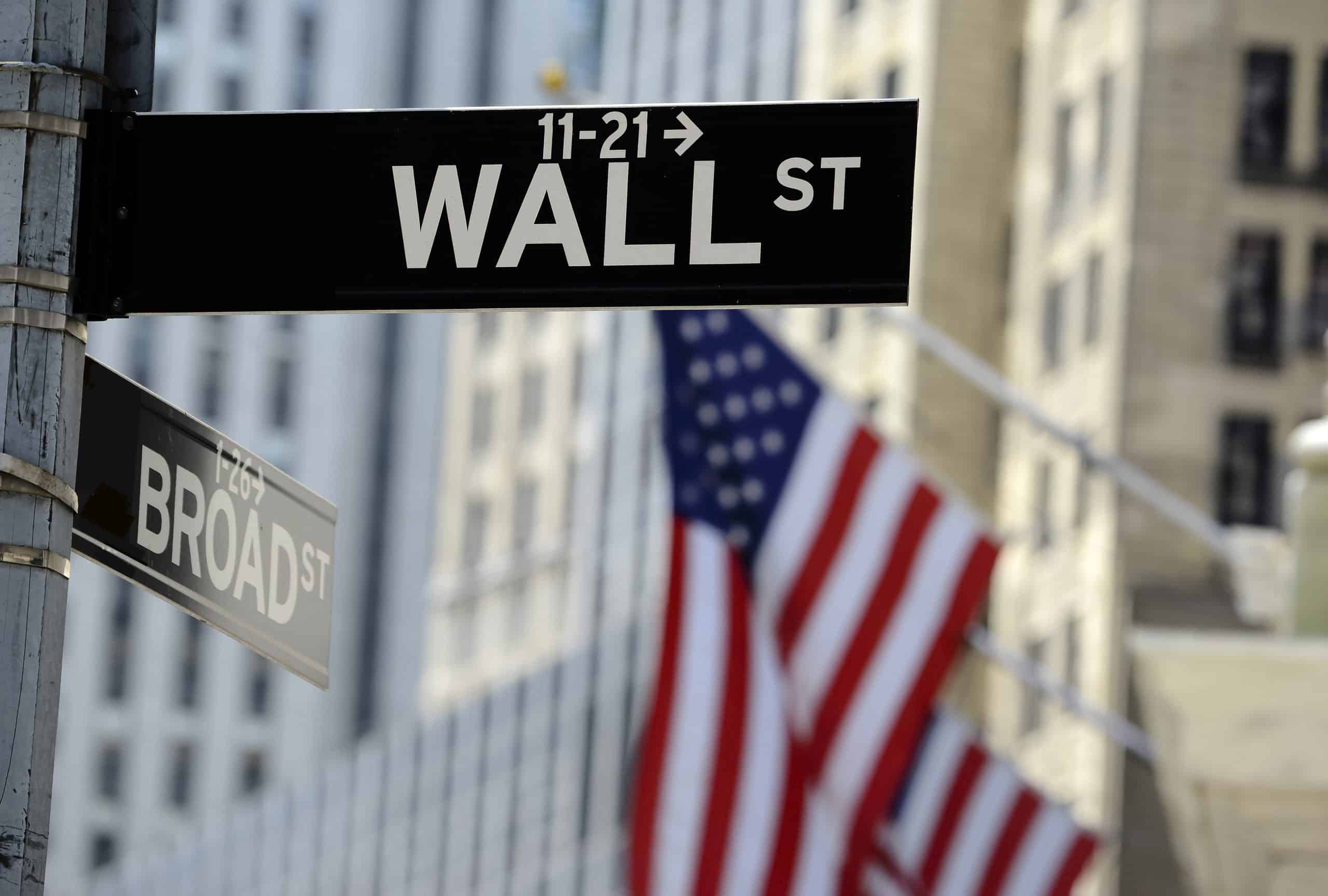
Wall Street has entered a new phase of the artificial intelligence trade — and it is defined less by enthusiasm and more by fear. After years of chasing companies tied to AI infrastructure and software, investors are now aggressively dumping stocks perceived to be vulnerable to technological displacement. The shift underscores a broader market recalibration as AI transitions from abstract promise to tangible competitive threat.
The latest tremor hit wealth-management firms after startup Altruist Corp. unveiled a tax-strategy AI tool called Hazel. Shares of Charles Schwab, Raymond James and LPL Financial fell 7% or more in a single session, marking their steepest declines since the April trade-war turmoil. The shockwaves quickly spread to Europe, dragging down AJ Bell, Julius Baer and St James’s Place.
From AI Euphoria to Defensive Positioning
For much of the past two years, AI enthusiasm propelled equity markets higher, particularly in technology and semiconductor names. Investors debated whether the rally represented a bubble or the start of a productivity revolution. Now, that narrative is evolving.
Instead of focusing on companies enabling AI, markets are scrutinizing those potentially disrupted by it. A series of product launches — including new tools from Anthropic and Insurify — have triggered rapid selloffs in software developers, insurers, and financial-service providers.
The psychological shift is notable. Portfolio managers who once sought exposure to AI tailwinds are now racing to avoid downside risk. In stretched markets where valuations remain elevated, even the perception of disruption is enough to trigger double-digit declines.
Wealth Management in the Crosshairs
Hazel’s promise — delivering AI-powered personalized financial strategies for roughly $100 per month — raises questions about labor-intensive advisory models. Entire teams dedicated to tax optimization and portfolio planning could theoretically be replaced by algorithms.
While the actual pace of adoption remains uncertain, the mere possibility has wiped billions off market capitalizations. Such reactions reflect investors’ heightened sensitivity after a multi-year bull run driven by AI spending and resilient economic growth.
Historically, technological disruption unfolds more slowly than markets initially fear. Banking, for example, has weathered waves of fintech and crypto innovation without losing structural dominance. Yet in today’s climate, caution prevails over patience.
Valuations Amplify Volatility
One reason these moves appear so extreme is the backdrop of elevated equity multiples. When markets trade near record highs, downside reactions intensify. Minor disappointments or perceived threats can lead to outsized price swings.
In France, Dassault Systemes plunged 20% following earnings described by analysts as worse than even pessimistic expectations. The stock’s collapse reflects how quickly confidence erodes when disruption narratives collide with weak fundamentals.
The broader S&P 500 remains near historic peaks, but beneath the surface, sector rotation is accelerating. AI infrastructure and chipmakers continue to attract capital, while service-oriented firms face mounting scrutiny.
Is the Market Overreacting?
Some strategists argue the panic is premature. AI adoption across regulated industries such as finance and insurance may face operational, compliance, and trust barriers. Clients may not readily entrust sensitive financial decisions entirely to algorithms.
Moreover, technological revolutions often create as many opportunities as they destroy. Companies that successfully integrate AI into existing models could strengthen margins rather than lose market share.
Yet markets rarely wait for clarity. Investors are pricing disruption risk immediately, reflecting a preference for capital preservation over speculative optimism.
What Comes Next
The coming months will test whether this “sell-first” mentality persists or stabilizes. Corporate earnings guidance, evidence of real-world AI adoption, and regulatory frameworks will shape sentiment. For U.S. and Israeli investors alike, the key question is not whether AI will transform industries, but how quickly and unevenly that transformation unfolds.
The market’s next phase may reward disciplined analysis over broad thematic exposure, as identifying true structural winners — and avoiding premature panic — becomes increasingly complex.
Comparison, examination, and analysis between investment houses
Leave your details, and an expert from our team will get back to you as soon as possible
* This article, in whole or in part, does not contain any promise of investment returns, nor does it constitute professional advice to make investments in any particular field.
To read more about the full disclaimer, click here
- orshu
- •
- 6 Min Read
- •
- ago 49 minutes
SKN | Asia Markets Reverse Lower on April 2, 2026 as Korea Drops 4.47% and Japan Slides, Erasing Prior Day Gains
Asian markets closed April 2, 2026, sharply lower, reversing much of the previous session’s strong gains. The decline was broad-based,
- ago 49 minutes
- •
- 6 Min Read

Asian markets closed April 2, 2026, sharply lower, reversing much of the previous session’s strong gains. The decline was broad-based,
- orshu
- •
- 4 Min Read
- •
- ago 3 hours
SKN | European Markets Reverse Sharply as Broad Sell-Off Follows Strong Rally
European markets reversed course on Thursday, April 2, 2026, as a broad-based sell-off followed the previous session’s strong rally. Major
- ago 3 hours
- •
- 4 Min Read

European markets reversed course on Thursday, April 2, 2026, as a broad-based sell-off followed the previous session’s strong rally. Major
- orshu
- •
- 6 Min Read
- •
- ago 14 hours
SKN | Markets Extend Gains on April 1, 2026 as Tech Leads and Volatility Continues to Ease
U.S. equity markets closed higher on Wednesday, April 1, 2026, extending their recent rebound as investor sentiment continued to improve.
- ago 14 hours
- •
- 6 Min Read

U.S. equity markets closed higher on Wednesday, April 1, 2026, extending their recent rebound as investor sentiment continued to improve.
- orshu
- •
- 6 Min Read
- •
- ago 16 hours
SKN | Nasdaq Holds Gains as Tech Momentum Builds — Can the Rally Extend Further?
The Nasdaq Composite (^IXIC) is trading higher on April 1, rising to 21,870.86 as of mid-session, as technology stocks
- ago 16 hours
- •
- 6 Min Read

The Nasdaq Composite (^IXIC) is trading higher on April 1, rising to 21,870.86 as of mid-session, as technology stocks

