


- Ronny Mor
- •
- 7 Min Read
- •
- 2 hours ago
Key Points
- Record backlog underscores structural shift in European naval defense spending.
- Upgraded sales guidance reflects improving visibility and stronger order flow.
- Long-term performance will hinge on execution and sustained geopolitical demand.
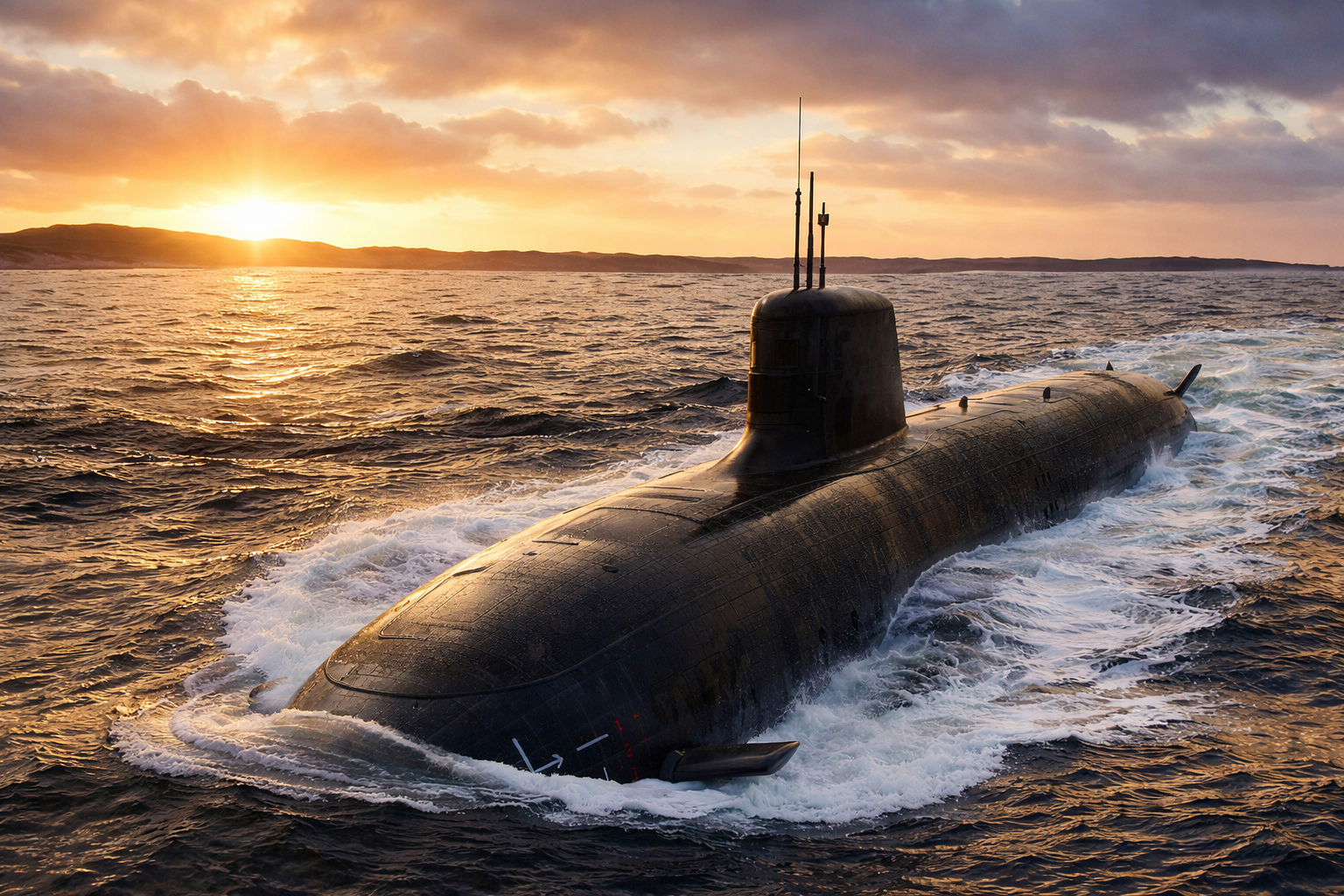
Germany’s Thyssenkrupp Marine Systems (TKMS) has reached a record $22 billion order backlog and upgraded its sales outlook for 2026, signaling how sharply Europe’s defense landscape has shifted. As geopolitical tensions persist—from the war in Ukraine to broader NATO rearmament efforts—naval procurement is accelerating, placing submarine and maritime systems manufacturers at the center of a structural spending cycle.
The backlog milestone represents not only a financial benchmark but also a strategic indicator: European governments are committing to long-duration, capital-intensive maritime defense programs that extend years into the future.
Record Backlog Signals Structural Demand
TKMS, spun off from Thyssenkrupp last year, now expects 2026 sales growth of between 2% and 5%, compared with its earlier guidance of a possible 1% decline to 2% growth. The midpoint of the new range exceeds the 2.9% average forecast compiled by analysts, suggesting improving operational visibility.
The $22 billion backlog provides revenue predictability in an industry characterized by multi-year project cycles. Submarine and advanced warship contracts often span design, construction, and maintenance phases that stretch over a decade. For investors, this backlog reduces earnings volatility and strengthens the company’s medium-term cash flow profile.
Chief Executive Oliver Burkhard highlighted continued strong demand for “advanced maritime capabilities,” emphasizing TKMS’s positioning as Europe’s only fully integrated maritime systems supplier. That integrated capability—spanning design, engineering, construction, and lifecycle services—creates competitive advantages in complex defense procurement environments.
Geopolitical Tailwinds Reshape Defense Allocation
Europe’s defense priorities have shifted dramatically since 2022. The war in Ukraine has exposed vulnerabilities in naval deterrence and maritime infrastructure protection, particularly in the Baltic and North Seas. At the same time, U.S. pressure on European allies to shoulder a greater share of NATO defense spending has translated into concrete procurement commitments.
For countries like Germany, Poland, and the Nordic states, submarines are strategic assets—deterrents that enhance maritime surveillance and regional stability. As defense budgets rise across Europe, naval modernization programs are increasingly viewed as long-term necessities rather than discretionary expenditures.
For Israeli investors tracking European defense stocks, the trend mirrors broader global rearmament dynamics. Defense names have attracted significant capital inflows, supported by both earnings momentum and structural policy shifts favoring military investment.
Market Sentiment and Valuation Dynamics
Like many defense peers, TKMS has benefited from renewed investor appetite for arms manufacturers. The sector’s re-rating reflects a psychological shift: defense spending is no longer seen as cyclical but as structurally embedded in fiscal policy planning.
However, elevated expectations also raise valuation sensitivity. Sustained growth will depend on execution discipline, margin stability, and the conversion of backlog into profitable revenue. Rising raw material costs, labor constraints, and supply-chain complexity remain operational risks.
Still, the company’s revised outlook suggests management confidence that geopolitical demand is translating into tangible order flow rather than speculative interest.
Looking Ahead: Strategic Visibility in an Uncertain World
The critical question for TKMS and the broader European defense sector is whether current demand represents a temporary surge or the early phase of a prolonged rearmament cycle. With NATO members committing to multi-year defense spending targets, the probability of sustained investment appears high.
Investors will closely monitor new contract awards, margin trends, and defense budget allocations across Europe. If geopolitical tensions remain elevated and governments continue prioritizing maritime security, TKMS may be positioned for a durable growth phase that extends beyond 2026.
Comparison, examination, and analysis between investment houses
Leave your details, and an expert from our team will get back to you as soon as possible
* This article, in whole or in part, does not contain any promise of investment returns, nor does it constitute professional advice to make investments in any particular field.
To read more about the full disclaimer, click here
- omer bar
- •
- 9 Min Read
- •
- ago 14 hours
SKN | Why U.S. Natural Gas Futures Are Slipping Amid Political Shifts and Sanctions Changes
U.S. natural gas futures eased this week as traders contended with a more complex energy landscape marked by softer short-term
- ago 14 hours
- •
- 9 Min Read

U.S. natural gas futures eased this week as traders contended with a more complex energy landscape marked by softer short-term

- Ronny Mor
- •
- 5 Min Read
- •
- ago 23 hours
SKN | Offshore Giant: Transocean (RIG) to Acquire Valaris in $5.8 Billion Deal
In a dramatic move for the energy sector, offshore drilling giant Transocean Ltd. (RIG) has announced the acquisition of its
- ago 23 hours
- •
- 5 Min Read

In a dramatic move for the energy sector, offshore drilling giant Transocean Ltd. (RIG) has announced the acquisition of its

- Lior mor
- •
- 7 Min Read
- •
- ago 1 day
SKN | Why Did BP Halt Share Buybacks—and What Does It Signal for Its Turnaround?
BP Plc’s decision to halt share buybacks marks a pivotal moment for the UK energy major as it grapples with
- ago 1 day
- •
- 7 Min Read

BP Plc’s decision to halt share buybacks marks a pivotal moment for the UK energy major as it grapples with
- omer bar
- •
- 7 Min Read
- •
- ago 2 days
SKN | Is the Natural Gas Rally Losing Steam as Weather Risks Fade on Both Sides of the Atlantic?
U.S. and European natural gas markets started the week on the defensive, signaling a shift in sentiment after weeks of
- ago 2 days
- •
- 7 Min Read

U.S. and European natural gas markets started the week on the defensive, signaling a shift in sentiment after weeks of

