


- omer bar
- •
- 8 Min Read
- •
- 2 hours ago
Key Points
- AI agents are moving from experimentation to real-world chip design workflows.
- Cadence’s strategy points to a fundamental shift in how engineering productivity is delivered.
- The technology could become a critical advantage in global semiconductor competition.
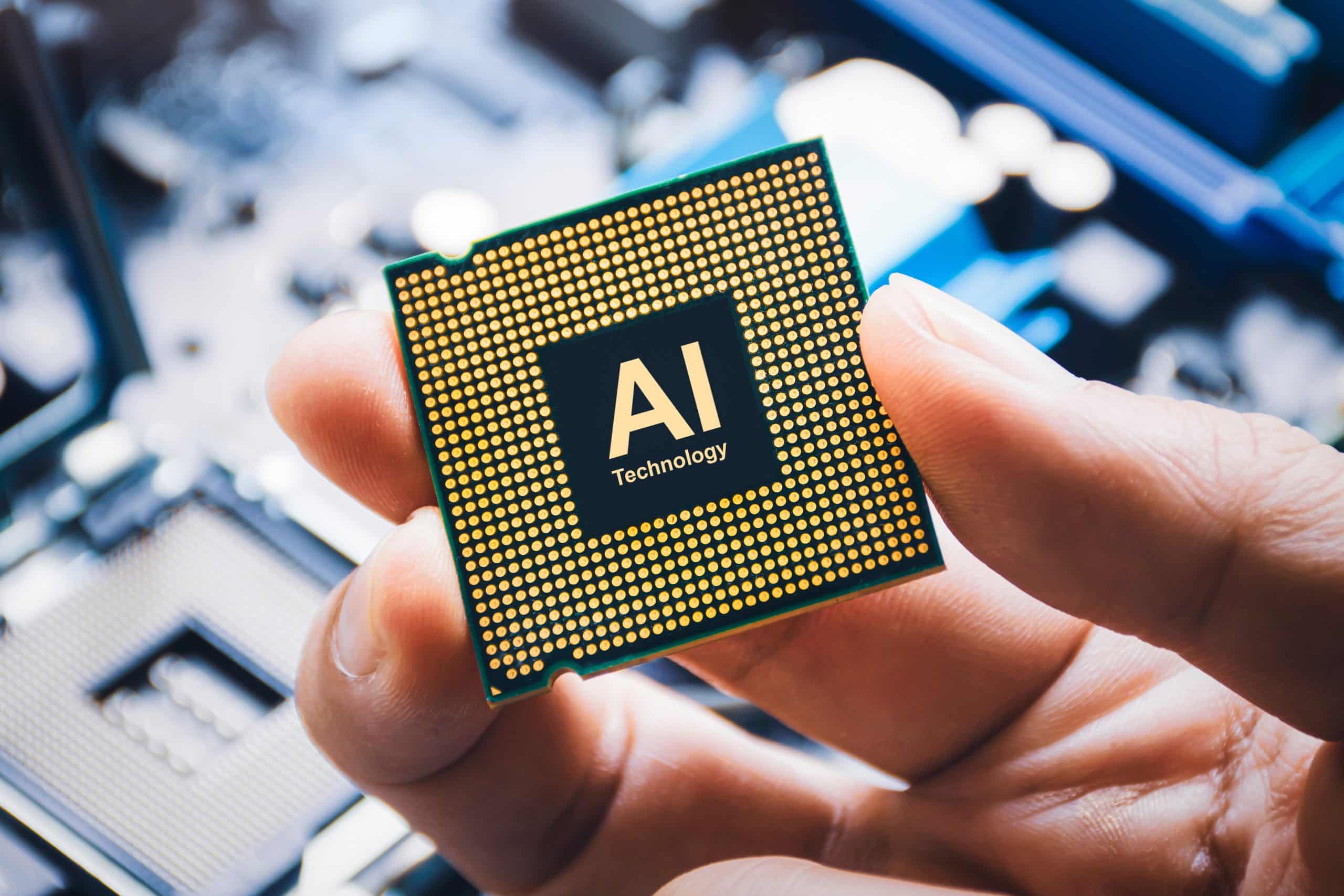
Cadence Design Systems has taken a decisive step toward reshaping how the world’s most advanced semiconductors are built, introducing an artificial intelligence agent designed to function as a virtual chip engineer. The launch comes at a moment when the cost, complexity, and strategic importance of chip design are rising sharply, driven by artificial intelligence workloads and deepening U.S.-China technological rivalry.
A Bottleneck at the Heart of Modern Chip Design
Designing cutting-edge semiconductors has become one of the most resource-intensive engineering tasks in the global technology stack. Modern chips can contain tens of billions of transistors, and before they are ever manufactured, engineers must describe their behavior through vast amounts of highly specialized code. Industry estimates suggest design teams spend as much as 70% of their time writing, testing, and debugging this code, turning productivity into a strategic constraint rather than a marginal efficiency issue.
That challenge is especially acute for companies racing to build AI accelerators and advanced processors, where design cycles are long, errors are costly, and time-to-market can define competitive outcomes.
Inside Cadence’s ChipStack AI Super Agent
Against that backdrop, Cadence Design Systems has introduced ChipStack AI Super Agent, a system designed to analyze a chip’s architecture, form an internal “mental model” of how it should function, and then autonomously test designs and correct errors using Cadence’s own toolchain. Rather than replacing engineers, the agent is positioned as an always-on collaborator that handles repetitive and time-consuming tasks.
Cadence says certain design processes can be accelerated by up to tenfold, a claim that, if sustained at scale, would materially alter development economics. Early users include Nvidia, Altera, and Tenstorrent, suggesting that leading-edge chip developers see immediate value in AI-assisted workflows.
From Software Licenses to Virtual Engineers
The introduction of AI agents also signals a deeper shift in Cadence’s business model. Paul Cunningham, who oversees research and development at the company, framed the transition starkly, arguing that the future lies not in selling tools alone but in effectively “renting virtual engineers.” This reflects a broader trend in enterprise software, where AI is moving from feature enhancement to functional substitution, handling tasks that once required large human teams.
For customers, the appeal is not just speed but risk management. Faster iteration reduces the probability of late-stage design flaws, which can delay production by months and cost hundreds of millions of dollars.
Strategic Stakes in a Fragmenting Tech World
Beyond commercial considerations, AI-driven design tools carry geopolitical weight. The U.S. has restricted exports of advanced semiconductor equipment to China, but Chinese firms are rapidly developing domestic alternatives and are expected to deploy AI aggressively to close capability gaps. According to industry analysts, productivity-enhancing tools like Cadence’s agent may prove decisive in sustaining the U.S. edge, especially given China’s scale advantage in engineering talent.
The race, increasingly, is not just about manufacturing capacity, but about who can design faster, smarter, and with fewer errors.
What to Watch Going Forward
As chip complexity continues to rise through the end of the decade, AI agents are likely to become embedded across the semiconductor design process. Investors and industry watchers will be focused on whether promised productivity gains translate into shorter design cycles and durable competitive advantages, or whether similar tools quickly become table stakes across the industry.
In a sector where time, precision, and scale define success, Cadence’s bet suggests the next breakthrough in semiconductors may come not from silicon, but from software that thinks like an engineer.
Comparison, examination, and analysis between investment houses
Leave your details, and an expert from our team will get back to you as soon as possible
* This article, in whole or in part, does not contain any promise of investment returns, nor does it constitute professional advice to make investments in any particular field.
To read more about the full disclaimer, click here
- Ronny Mor
- •
- 6 Min Read
- •
- ago 1 hour
SKN | Cloud Computing, Literally: Google and the Race for Space-Based Data Centers
The meteoric rise in the use of Generative AI is pushing Earth's computing infrastructure toward an unprecedented energy crisis. Models
- ago 1 hour
- •
- 6 Min Read

The meteoric rise in the use of Generative AI is pushing Earth's computing infrastructure toward an unprecedented energy crisis. Models

- Lior mor
- •
- 6 Min Read
- •
- ago 13 hours
SKN | Amazon Eyes AI Content Marketplace: A New Frontier in E-Commerce and Digital Services?
Amazon is reportedly preparing to introduce a new marketplace for AI-generated content, according to a report by The Information. This
- ago 13 hours
- •
- 6 Min Read

Amazon is reportedly preparing to introduce a new marketplace for AI-generated content, according to a report by The Information. This
- Ronny Mor
- •
- 6 Min Read
- •
- ago 19 hours
SKN | Can Palantir’s AI Expansion Justify Its Valuation as Market Momentum Fades?
Palantir Technologies’ renewed push into artificial intelligence is testing investor conviction at a time when equity markets are becoming
- ago 19 hours
- •
- 6 Min Read

Palantir Technologies’ renewed push into artificial intelligence is testing investor conviction at a time when equity markets are becoming

- omer bar
- •
- 7 Min Read
- •
- ago 19 hours
SKN | Is ChatGPT’s Reaccelerating Growth Enough to Power OpenAI Toward a $100 Billion Funding Milestone?
At a moment when competition in artificial intelligence is intensifying and investor scrutiny is sharpening, OpenAI is signaling renewed momentum.
- ago 19 hours
- •
- 7 Min Read

At a moment when competition in artificial intelligence is intensifying and investor scrutiny is sharpening, OpenAI is signaling renewed momentum.

