


- orshu
- •
- 8 Min Read
- •
- 16 hours ago
Key Points
- AI disruption is challenging assumptions about software borrowers in private credit.
- Equity markets are signaling concern over leverage and opaque loan structures.
- Rising default risk could expose deeper fragilities in a fast-growing $3 trillion market.
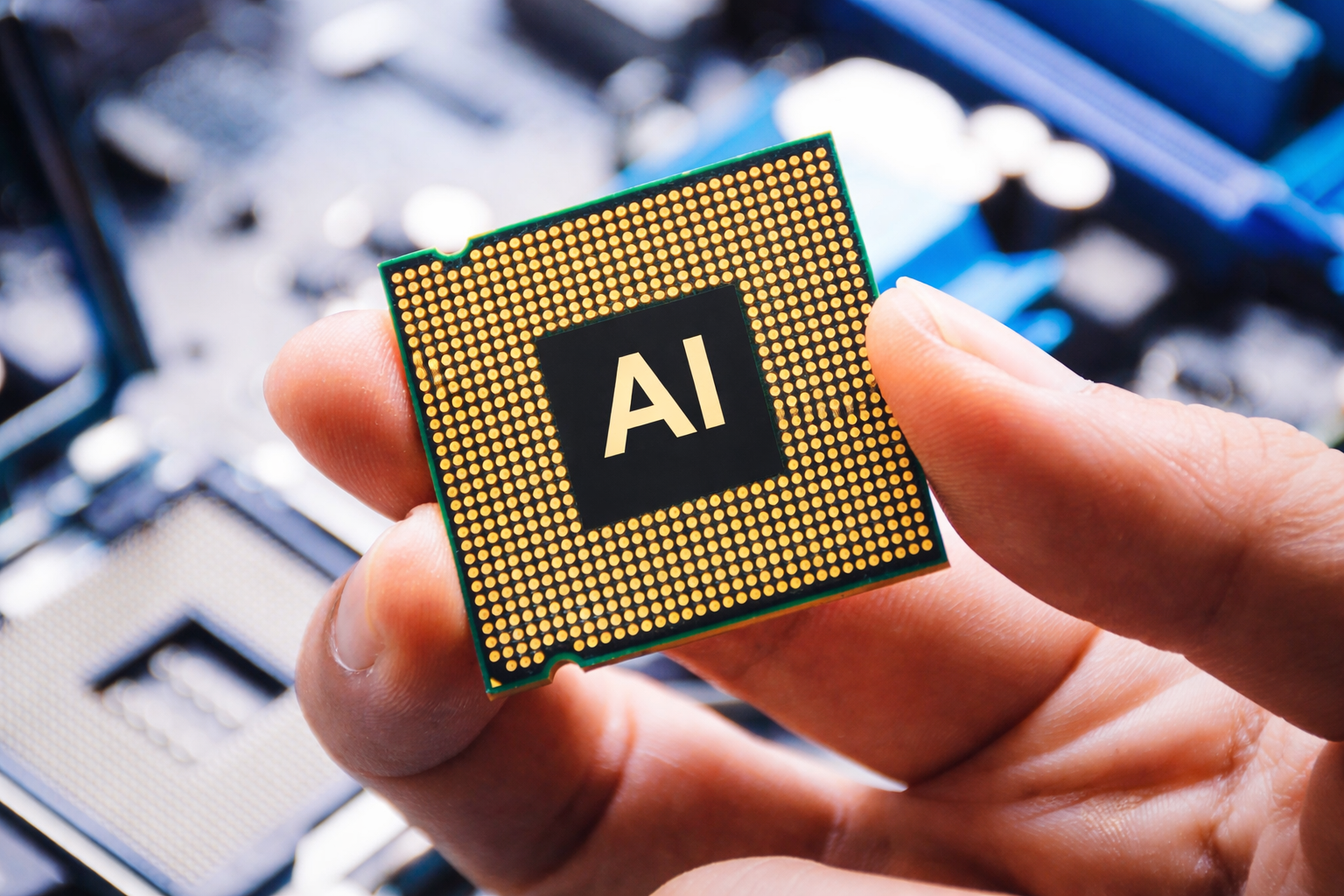
Fresh volatility in equity markets is reigniting long-simmering concerns about the resilience of the private credit industry, a market now estimated at roughly $3 trillion. The trigger this time has come not from interest rates or macro shocks, but from artificial intelligence. New AI tools are raising questions about the durability of software business models — and by extension, the credit quality of one of private lenders’ most important borrower groups.
AI Disruption Hits a Core Borrower Base
Software companies have been a favored target for private credit since 2020, benefiting from predictable subscription revenues and strong growth narratives. That confidence was rattled last week after Anthropic unveiled AI tools capable of performing complex professional tasks that many enterprise software firms currently monetize. The announcement sparked a selloff in software-related stocks and prompted investors to reassess how quickly AI could erode pricing power and cash flows.
For private credit lenders, the concern is direct. Many buyouts in the software and technology space have been financed with unitranche loans — a hallmark of private credit that combines multiple layers of debt into a single, often opaque structure. According to PitchBook, software and tech companies account for some of the largest unitranche loans ever issued, leaving lenders exposed if revenue models weaken faster than expected.
Asset Managers Feel the Pressure
Public markets quickly reflected that anxiety. Shares of Ares Management fell more than 12% last week, while Blue Owl Capital dropped over 8%. KKR slid nearly 10%, and TPG declined about 7%. Even more diversified giants were not immune, with Apollo Global Management and BlackRock posting notable losses.
The contrast with broader markets was stark. Over the same period, the S&P 500 slipped only marginally, while the Nasdaq’s decline was far less severe than the drawdowns seen in private-credit-heavy firms. The divergence suggests investors are specifically targeting perceived structural risks rather than reacting to a generalized risk-off move.
Default Risk and Structural Fragilities
Market watchers warn that the exposure could prove costly if AI adoption accelerates faster than borrowers can adapt. UBS Group has cautioned that in an aggressive AI disruption scenario, default rates in U.S. private credit could climb as high as 13%, well above stressed projections for leveraged loans and high-yield bonds.
One area of vulnerability lies in payment-in-kind, or PIK, loans — structures that allow borrowers to defer interest payments. Software and services companies account for the largest share of PIK usage in private credit, according to PitchBook. While such arrangements can support fast-growing firms, they can quickly become problematic if growth stalls, turning deferred interest into a compounding credit risk.
A Sector Already Under Strain
Importantly, AI is not the sole pressure point. Critics note that private credit has been grappling with liquidity constraints and loan extensions even before the latest tech shock. Jeffrey C. Hooke of Johns Hopkins Carey Business School has pointed to difficulties in liquidating loans as a pre-existing weakness, with AI disruption adding another layer of stress to portfolios already stretched by leverage.
Warnings about systemic risk have been building. Last year, JPMorgan chief executive Jamie Dimon likened hidden risks in private credit to “cockroaches,” suggesting that visible problems may signal deeper, unseen issues. Moody’s Analytics chief economist Mark Zandi has echoed that caution, highlighting rapid credit growth, rising leverage, and opacity as “yellow flags” for the sector.
What to Watch Going Forward
The key question now is whether AI-driven stress remains isolated to weaker borrowers or spills into broader portfolios. Private credit’s limited transparency makes early diagnosis difficult, increasing the risk that losses emerge suddenly rather than gradually. While the industry may be able to absorb moderate shocks today, sustained disruption in software — one of its cornerstone sectors — could test that resilience sooner than many expect.
Comparison, examination, and analysis between investment houses
Leave your details, and an expert from our team will get back to you as soon as possible
* This article, in whole or in part, does not contain any promise of investment returns, nor does it constitute professional advice to make investments in any particular field.
To read more about the full disclaimer, click here
- Lior mor
- •
- 6 Min Read
- •
- ago 7 hours
SKN | A $1 Trillion S&P 500 Rebound Brings Relief — But Little Reassurance for Wall Street
The S&P 500’s recent rebound, which has restored an estimated $1 trillion in market capitalization, has done little to
- ago 7 hours
- •
- 6 Min Read

The S&P 500’s recent rebound, which has restored an estimated $1 trillion in market capitalization, has done little to

- sagi habasov
- •
- 7 Min Read
- •
- ago 8 hours
SKN | Alphabet’s $15 Billion Bond Move: Confidence in AI or Early Signs of Capital Market Strain?
Alphabet Inc.’s plan to raise roughly $15 billion through a U.S. investment-grade bond sale highlights how the artificial intelligence boom
- ago 8 hours
- •
- 7 Min Read
Alphabet Inc.’s plan to raise roughly $15 billion through a U.S. investment-grade bond sale highlights how the artificial intelligence boom

- orshu
- •
- 8 Min Read
- •
- ago 15 hours
SKN | How Gold and Silver Volatility Is Fueling a Breakout Moment for Algo and Machine-Learning Funds
Wild price swings in gold and silver are no longer just unsettling discretionary investors — they are actively powering a
- ago 15 hours
- •
- 8 Min Read

Wild price swings in gold and silver are no longer just unsettling discretionary investors — they are actively powering a
- orshu
- •
- 7 Min Read
- •
- ago 3 days
SKN | Is Tokyo Electron’s Outlook Upgrade the Clearest Signal Yet of an AI-Driven Chip Capex Supercycle?
Tokyo Electron’s decision to raise its full-year outlook is being read by markets as another confirmation that the artificial-intelligence investment
- ago 3 days
- •
- 7 Min Read
Tokyo Electron’s decision to raise its full-year outlook is being read by markets as another confirmation that the artificial-intelligence investment

