


- omer bar
- •
- 8 Min Read
- •
- 3 hours ago
Key Points
- Nvidia’s CEO says the global AI buildout is still in its early stages, with years of heavy investment ahead.
- Demand for AI hardware remains exceptionally strong, with shortages constraining even leading AI firms.
- China, competition, and capital intensity are shaping the next phase of the AI race.
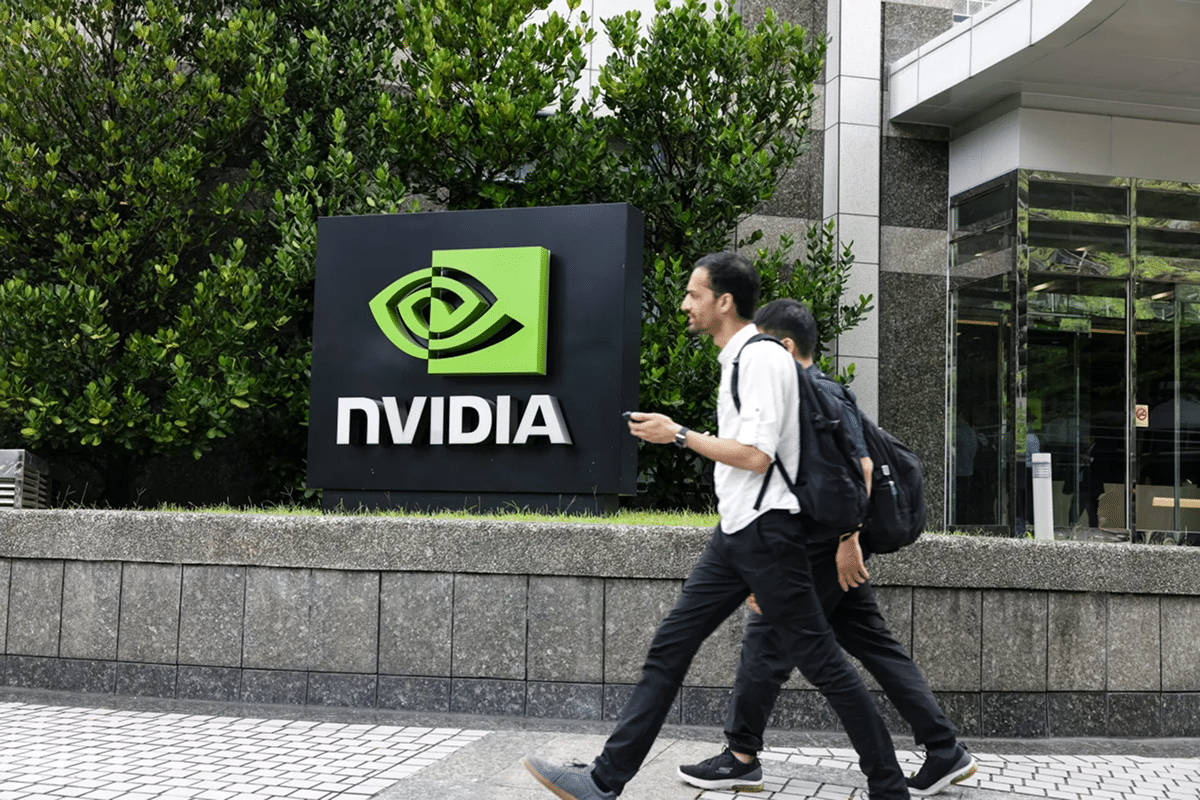
The global surge in artificial intelligence spending is far from peaking, according to Jensen Huang. Speaking publicly this week, the head of Nvidia described the current wave of capital expenditure as a “once in a generation infrastructure buildout,” arguing that the industry still has seven to eight years of intensive investment ahead. His comments arrive at a moment when markets are increasingly divided over whether AI spending has gone too far—or not nearly far enough.
A Multiyear Infrastructure Cycle
Huang framed the AI boom as a foundational shift in computing rather than a short-term technology cycle. In his view, artificial intelligence will fundamentally reshape how data is processed, stored, and deployed across industries, from cloud services to enterprise software and consumer applications. That transformation, he said, requires an unprecedented buildout of computing infrastructure, making today’s massive capital commitments both “appropriate” and “necessary.”
This perspective directly challenges growing investor concerns that hyperscalers and tech giants are overspending on data centers and chips without clear visibility into near-term returns. Huang’s argument is that judging AI investments through a traditional quarterly lens misses the scale and duration of the transition underway.
Demand Signals Remain Overwhelming
One of the strongest indicators Huang cited was pricing behavior in the secondary market. Graphics processing units sold several years ago are now trading at higher prices than when they were originally purchased, an unusual signal that underscores how tight supply remains. According to Huang, demand for Nvidia’s products is “sky high,” reflecting not just speculative enthusiasm but real-world capacity constraints.
Those constraints are visible among leading AI developers. Huang pointed to firms such as Anthropic and OpenAI, noting that while they are generating revenue, they remain “computer constrained.” In other words, their growth is limited not by demand for AI services, but by access to sufficient computing power. He stressed that OpenAI, in particular, needs Nvidia’s next-generation chips to scale further, pushing back against any suggestion of weakening ties or strategic friction.
Competition, China, and Global Scale
On competition, Huang acknowledged that China represents a serious rival in AI development, but he rejected the idea that Western companies should retreat from the Chinese market. Conceding such a large and technologically sophisticated market, he argued, would undermine any attempt to win globally. The comment highlights the strategic tension facing U.S. chipmakers as they navigate export controls while trying to maintain scale advantages critical to AI economics.
At the same time, Huang emphasized that competition is secondary to effectiveness. His primary concern, he said, is not who wins the AI race rhetorically, but whether AI systems actually deliver transformative productivity gains.
Who Is Using AI Best?
When asked about companies deploying AI most effectively, Huang singled out Meta Platforms, praising its ability to integrate AI deeply across products and operations. The remark reinforces a growing consensus that the next phase of the AI cycle will reward not just infrastructure builders, but firms that can translate computing power into measurable business outcomes.
What to Watch Going Forward
Huang’s comments suggest that volatility around AI spending is unlikely to fade anytime soon. For investors, the debate is shifting from whether AI is real to how long the investment cycle will last and who can endure its capital intensity. If Huang is right, today’s spending may represent the early chapters of a much longer story—one where scale, patience, and execution matter more than short-term profitability.
Comparison, examination, and analysis between investment houses
Leave your details, and an expert from our team will get back to you as soon as possible
* This article, in whole or in part, does not contain any promise of investment returns, nor does it constitute professional advice to make investments in any particular field.
To read more about the full disclaimer, click here
- orshu
- •
- 7 Min Read
- •
- ago 2 minutes
SKN | US Markets Rebound Strongly on February 6, 2026 as Volatility Collapses and Risk Appetite Returns
U.S. equity markets closed sharply higher on Friday, February 6, 2026, marking a decisive rebound after days of heightened volatility
- ago 2 minutes
- •
- 7 Min Read

U.S. equity markets closed sharply higher on Friday, February 6, 2026, marking a decisive rebound after days of heightened volatility

- Ronny Mor
- •
- 8 Min Read
- •
- ago 3 hours
SKN | Is Wall Street’s Violent Rebound a True Turning Point After the Tech Meltdown?
Wall Street delivered a dramatic reversal on Friday, snapping a bruising selloff that had rattled confidence across technology and software
- ago 3 hours
- •
- 8 Min Read

Wall Street delivered a dramatic reversal on Friday, snapping a bruising selloff that had rattled confidence across technology and software
- orshu
- •
- 5 Min Read
- •
- ago 5 hours
SKN | European Markets Close Higher as Risk Appetite Rebounds and Currencies Strengthen
European markets closed firmly higher on February 6, extending a rebound as investors rotated back into risk assets following
- ago 5 hours
- •
- 5 Min Read

European markets closed firmly higher on February 6, extending a rebound as investors rotated back into risk assets following
- orshu
- •
- 6 Min Read
- •
- ago 7 hours
SKN | US Markets Advance as Large Caps Hold Firm While Volatility and Small-Cap Weakness Persist
US markets opened February 6 with a cautiously constructive tone, as major indices pushed higher despite lingering volatility and
- ago 7 hours
- •
- 6 Min Read

US markets opened February 6 with a cautiously constructive tone, as major indices pushed higher despite lingering volatility and

