


- Lior mor
- •
- 7 Min Read
- •
- 55 minutes ago
Key Points
- Chery confirmed it will begin vehicle production in Spain later this year after repeated delays.
- EU tariffs on Chinese-made EVs and shifting market dynamics have complicated the rollout.
- The Barcelona plant is positioned as both a European foothold and a future export hub.
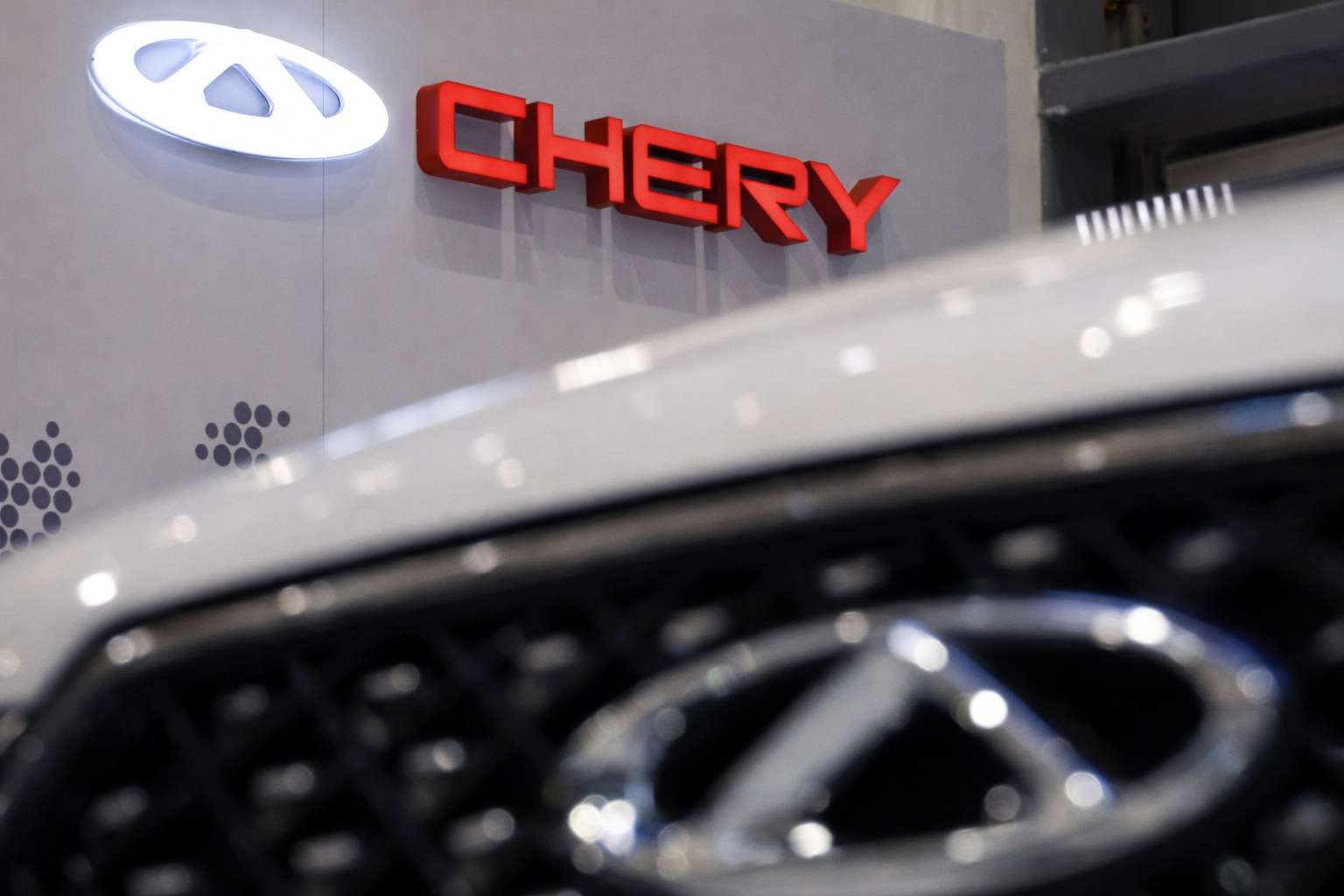
Chinese automaker Chery has reaffirmed plans to start producing vehicles in Spain this year, marking a cautious but symbolically important step in its long-delayed European manufacturing strategy. The move comes after successive postponements tied to commercial pressures, including European Union tariffs on Chinese electric vehicles, and underscores how geopolitical and regulatory frictions are reshaping global auto investment decisions.
A Timeline Pushed Back, But Not Abandoned
Chery originally planned to begin production in Barcelona in 2024, before pushing the start date to late 2025. That timeline has now slipped further, with executives acknowledging that production will effectively move into 2026, even as they maintain that manufacturing will begin “as soon as possible” this year.
Speaking in Madrid, Zhu Shaodong, Chery’s executive vice president and chief executive for the European Union region, said the company is still “revving up” its plans but declined to specify a precise quarter for the start of operations. The lack of detail reflects lingering uncertainty over costs, tariffs, and demand conditions in Europe’s increasingly competitive auto market.
Trade Barriers and a Shifting EV Landscape
Chery’s delays highlight the growing impact of EU trade policy on Chinese automakers. Brussels has imposed tariffs on Chinese-made EVs amid concerns over state subsidies and competitive distortions, complicating export-based strategies. For Chery, local production in Spain offers a way to mitigate tariff exposure, but it also raises execution risk at a time when EV demand growth in Europe is becoming more uneven.
Despite those challenges, Chinese brands have continued to gain market share in Spain, benefiting from aggressive pricing amid a global EV price war. That backdrop helps explain why Chery has not walked away from its Barcelona investment, even as timelines stretch.
Barcelona as a Strategic Manufacturing Hub
The Barcelona facility carries both economic and symbolic weight. Located at a former Nissan plant, the project has been welcomed by local authorities as a sign of closer commercial ties between Spain and China and as validation of Spain’s ambitions as a major European auto-manufacturing hub.
The plant operates as a joint venture with Spanish automaker Ebro, which resumed vehicle production in 2024 after decades off the market. Ebro is already manufacturing cars at the site using shared platforms and technology, providing Chery with an operational base as it phases in its own models.
Chery has said it plans to build both electric and combustion-engine versions of its Omoda 5 SUV in Barcelona, followed by production of the Jaecoo 7. This mixed powertrain approach reflects a broader recalibration among automakers, who are hedging against slower-than-expected EV adoption in parts of Europe.
Beyond Europe: An Export Ambition
Chery’s vision for Barcelona extends beyond the European market. Zhu said the company plans to use the Spanish plant as an export base for Latin America, positioning it as a strategic bridge between regions. The Chery-Ebro venture has previously outlined a target of producing up to 150,000 vehicles annually by 2029, which would make Barcelona one of Chery’s key overseas manufacturing and export centers.
What Comes Next
Looking ahead, execution will matter more than announcements. Chery must navigate EU trade policy, volatile EV demand, and intensifying competition while bringing a long-delayed factory online. If successful, the Barcelona plant could become a cornerstone of its European strategy. If further delays emerge, it may instead serve as a case study in how politics and markets can derail even well-capitalized global expansion plans.
Comparison, examination, and analysis between investment houses
Leave your details, and an expert from our team will get back to you as soon as possible
* This article, in whole or in part, does not contain any promise of investment returns, nor does it constitute professional advice to make investments in any particular field.
To read more about the full disclaimer, click here
- sagi habasov
- •
- 6 Min Read
- •
- ago 2 minutes
SKN | Amazon’s $200B AI Spending Push Jolts Investors as Shares Slide After Earnings
Amazon’s shares retreated following earnings as the company detailed plans that could lift cumulative artificial intelligence spending toward $200
- ago 2 minutes
- •
- 6 Min Read

Amazon’s shares retreated following earnings as the company detailed plans that could lift cumulative artificial intelligence spending toward $200

- orshu
- •
- 7 Min Read
- •
- ago 3 hours
SKN | Why Are Global Carmakers Writing Off $55 Billion as the EV Transition Slows?
Global carmakers are confronting a costly reality check. Over the past year, the world’s largest automotive groups have booked an
- ago 3 hours
- •
- 7 Min Read

Global carmakers are confronting a costly reality check. Over the past year, the world’s largest automotive groups have booked an
- orshu
- •
- 7 Min Read
- •
- ago 8 hours
SKN | Tel Aviv Market Opens Lower as Broad Indices Slide, Volumes Signal Cautious Institutional Positioning
The Tel Aviv Stock Exchange opened Thursday’s session under broad-based pressure, with most major indices trading lower in early hours.
- ago 8 hours
- •
- 7 Min Read

The Tel Aviv Stock Exchange opened Thursday’s session under broad-based pressure, with most major indices trading lower in early hours.
- orshu
- •
- 7 Min Read
- •
- ago 12 hours
SKN | Global Markets Wrap: February 5, 2026 Performance and Outlook Ahead of February 6 – U.S. and European Weakness Pressures Global Indices
Global markets experienced broad-based weakness on February 5, 2026, reflecting a combination of profit-taking, elevated volatility, and cautious positioning ahead
- ago 12 hours
- •
- 7 Min Read

Global markets experienced broad-based weakness on February 5, 2026, reflecting a combination of profit-taking, elevated volatility, and cautious positioning ahead

