


- Lior mor
- •
- 8 Min Read
- •
- 58 minutes ago
Key Points
- CPU shortages are emerging as a secondary bottleneck alongside GPUs and memory.
- China’s scale magnifies supply disruptions for global semiconductor leaders.
- Execution on manufacturing and capacity allocation will shape AI deployment speed.
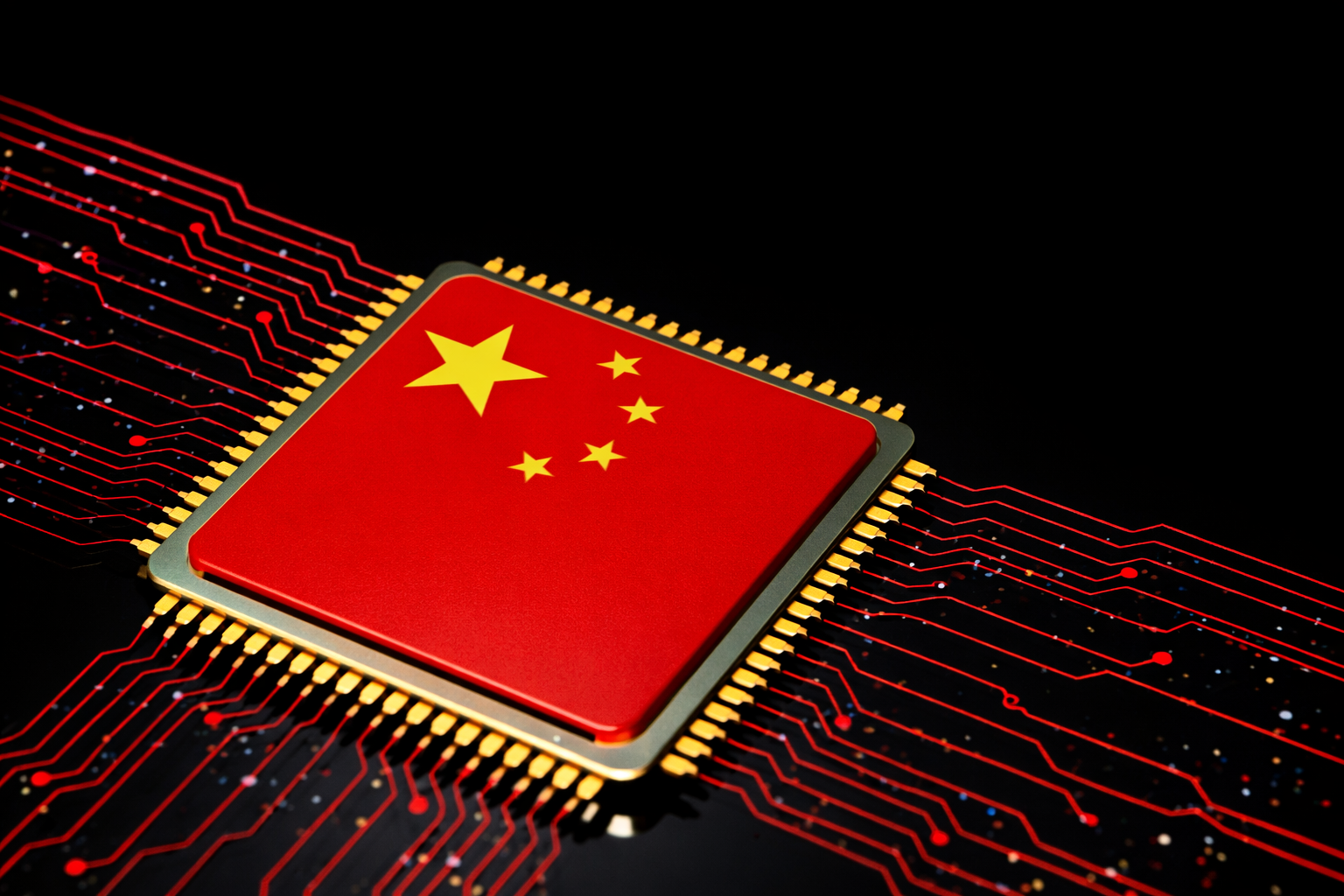
China is facing an emerging constraint in server central processing units that could complicate the next phase of artificial intelligence expansion. Industry sources say both Intel and AMD have recently notified customers of lengthening delivery times for key server CPUs, highlighting that shortages are no longer confined to AI accelerators alone. For a market that represents more than one-fifth of Intel’s global revenue, the implications extend well beyond near-term pricing pressure.
Lead Times Stretch as Demand Intensifies
According to people familiar with the situation, Intel has warned Chinese clients that delivery lead times for certain fourth- and fifth-generation Xeon processors could extend to as long as six months. AMD customers, meanwhile, have been told to expect waits of eight to ten weeks for some products. These timelines mark a sharp shift from historically predictable server CPU supply and reflect how rapidly demand has intensified.
Prices have responded accordingly. Intel’s server CPU prices in China have reportedly risen by more than 10% on average, although contract structures mean the impact varies by customer. For cloud providers and server manufacturers, this volatility complicates cost planning at a time when AI-related capital expenditure is already elevated.
AI Infrastructure Is Pulling in the Entire Stack
The shortages underscore a broader structural trend. Booming investment in AI infrastructure has created intense demand not only for specialized chips but also for traditional compute and memory. As AI workloads grow more complex, CPUs remain essential for orchestration, data preprocessing, and increasingly for so-called agentic AI systems that perform multi-step operations.
Memory constraints have amplified the problem. With memory prices rising sharply, some Chinese customers accelerated CPU purchases to lock in system configurations, effectively front-loading demand. That behavior reflects a familiar psychological dynamic in supply-constrained markets: fear of future scarcity drives buying decisions that worsen short-term shortages.
Market Structure and Manufacturing Constraints
The supply squeeze is also shaped by how the CPU market is structured. Intel and AMD together dominate global server CPUs, but their manufacturing models differ. Intel has faced persistent challenges in ramping production efficiently, while AMD relies on external manufacturing through TSMC. TSMC’s prioritization of AI chips has left less capacity available for CPUs, tightening supply further.
Market share trends add another layer. Intel’s share of the server CPU market has fallen from above 90% in 2019 to around 60% in 2025, while AMD’s has climbed past 20%, according to a January report from UBS. In China, major customers include cloud giants such as Alibaba and Tencent, whose scale magnifies the impact of any disruption.
Strategic and Market Implications
Intel has acknowledged CPU supply constraints publicly, saying rapid AI adoption has driven strong demand for “traditional compute” and that inventories are expected to bottom in the first quarter before improving through 2026. AMD has emphasized confidence in its supply chain and partnerships, but lead-time extensions suggest near-term pressure remains.
For investors and policymakers in both the U.S. and Israel, the episode is a reminder that AI-driven growth is stressing the entire semiconductor ecosystem. CPUs, long considered mature and predictable, are now part of the strategic chokepoint.
What to Watch Next
Looking ahead, the key variables will be manufacturing yields, foundry allocation decisions, and whether demand normalizes as procurement cycles adjust. If CPU shortages persist, they could slow AI deployment timelines and reinforce the premium placed on supply-chain control. The next phase of the AI race may be decided not just by who builds the best chips, but by who can deliver them on time.
Comparison, examination, and analysis between investment houses
Leave your details, and an expert from our team will get back to you as soon as possible
* This article, in whole or in part, does not contain any promise of investment returns, nor does it constitute professional advice to make investments in any particular field.
To read more about the full disclaimer, click here
- Ronny Mor
- •
- 6 Min Read
- •
- ago 9 hours
SKN | Amazon’s $200B AI Spending Ambition Rattles Markets as Shares Slide
Amazon’s shares came under pressure after the company detailed plans that could push cumulative artificial intelligence spending toward $200
- ago 9 hours
- •
- 6 Min Read

Amazon’s shares came under pressure after the company detailed plans that could push cumulative artificial intelligence spending toward $200

- sagi habasov
- •
- 5 Min Read
- •
- ago 10 hours
SKN | Fortinet Delivers Strong Q4 and Full-Year Results—Can Momentum Hold Into 2026?
Fortinet released strong fourth-quarter and full-year 2025 financial results, underscoring the durability of cybersecurity demand even as enterprise technology
- ago 10 hours
- •
- 5 Min Read
Fortinet released strong fourth-quarter and full-year 2025 financial results, underscoring the durability of cybersecurity demand even as enterprise technology

- omer bar
- •
- 8 Min Read
- •
- ago 11 hours
SKN | What Tim Cook’s Immigration, AI, and Succession Message Reveals About Apple’s Long-Term Strategy
Apple Inc. Chief Executive Officer Tim Cook used a wide-ranging internal meeting this week to address some of the most
- ago 11 hours
- •
- 8 Min Read

Apple Inc. Chief Executive Officer Tim Cook used a wide-ranging internal meeting this week to address some of the most

- Lior mor
- •
- 6 Min Read
- •
- ago 2 days
SKN | Nvidia Denies Rift with OpenAI as Software and Asset Management Stocks Plunge — What’s Driving Market Turbulence?
Nvidia moved to clarify reports of tensions with OpenAI, asserting that collaboration remains intact, while broader technology and asset management
- ago 2 days
- •
- 6 Min Read

Nvidia moved to clarify reports of tensions with OpenAI, asserting that collaboration remains intact, while broader technology and asset management

