


- orshu
- •
- 7 Min Read
- •
- 1 hour ago
Key Points
- BYD’s January sales slump reflects structural pressure, not just seasonal volatility.
- Competition and reduced subsidies are reshaping China’s EV economics.
- Policy signals from Beijing after Q1 will be critical for the sector’s outlook.
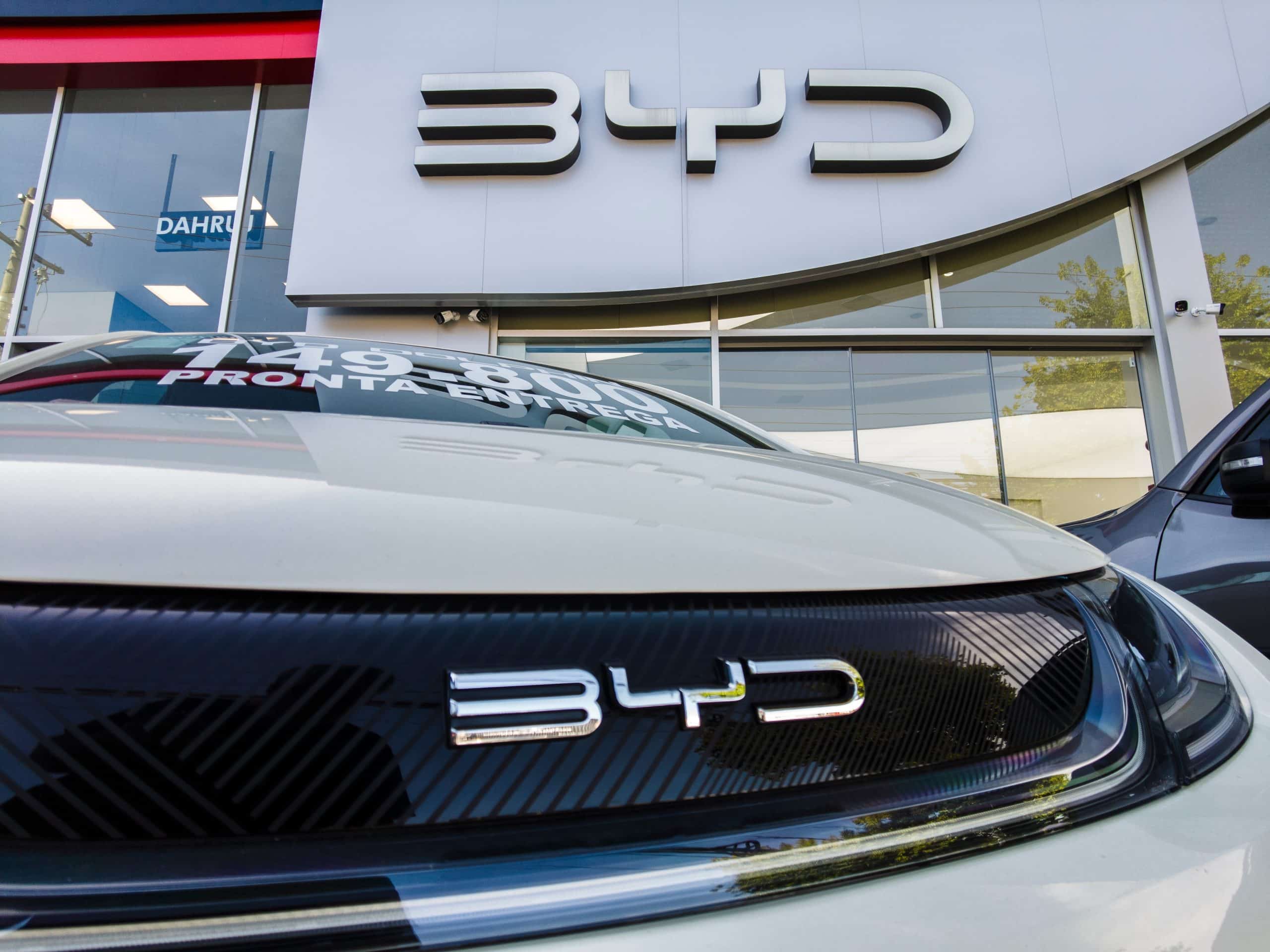
China’s electric vehicle sector, long a pillar of industrial growth and global ambition, is showing clearer signs of fatigue. January data revealed that BYD, the country’s dominant electric car manufacturer, posted its weakest monthly local sales in nearly two years. The slowdown highlights the combined pressure of cooling consumer demand, intensifying competition, and the rollback of government incentives that once turbocharged EV adoption.
BYD’s Numbers Reflect a Broader Market Chill
BYD sold 205,518 vehicles in January, including plug-in hybrids, but battery-electric passenger car sales slipped to just 83,249 units. That marked the weakest monthly tally since early 2024 and came despite BYD’s scale advantages and vertically integrated model. While seasonal distortions linked to the Lunar New Year are common, analysts note that January’s weakness coincided with the reinstatement of a 5% vehicle purchase tax on new energy vehicles, reversing years of preferential treatment.
According to Bain & Company, policy uncertainty alone may be enough to push consumers to delay purchases, particularly in a market already grappling with fragile confidence. For investors, the data point matters less in isolation and more as confirmation that China’s EV market is no longer in a straight-line growth phase.
Fierce Competition Reshapes the Landscape
The slowdown is not limited to BYD. Several high-profile manufacturers reported weaker January figures, including Xiaomi, Xpeng, and Nio. Even brands that posted year-on-year growth saw sequential declines from December, reflecting how crowded and price-sensitive the market has become.
At the same time, rivals such as Geely continue to gain share at the lower end of the market, where BYD has historically been strongest. The result is a sustained price war, with automakers bundling advanced driver-assistance features and software upgrades into increasingly affordable models. While this benefits consumers, it squeezes margins and raises questions about long-term profitability.
Economic Spillovers Raise the Stakes
The EV sector’s importance extends beyond car sales. Autos support roughly 30 million jobs in China and serve as a rare bright spot amid a prolonged property downturn. Although Fitch Ratings notes that autos still represent a smaller share of fixed-asset investment than real estate, a deeper slump would compound existing economic headwinds.
Exports offer partial relief, but even here momentum softened in January, with BYD’s overseas shipments falling sharply from December. That adds to global concerns about overcapacity and trade tensions, particularly as Chinese EVs push into foreign markets at competitive prices.
What Comes Next for China’s EV Market?
Despite near-term pressure, few analysts expect BYD to lose its leadership position. Planned upgrades to charging networks, energy storage, and intelligent driving systems could reinforce its competitive moat. More broadly, the key variable is policy. If first-quarter data confirm sustained weakness, markets increasingly expect Beijing to reintroduce targeted subsidies or support measures.
For investors, China’s EV story is evolving from hypergrowth to a more complex cycle shaped by margins, policy risk, and consolidation.
Comparison, examination, and analysis between investment houses
Leave your details, and an expert from our team will get back to you as soon as possible
* This article, in whole or in part, does not contain any promise of investment returns, nor does it constitute professional advice to make investments in any particular field.
To read more about the full disclaimer, click here
- orshu
- •
- 6 Min Read
- •
- ago 3 hours
SKN | Tel Aviv Market Update February 5, 2026: TA-35 Leads Declines Amid Mixed Sector Activity
The Tel Aviv Stock Exchange opened February 5 under downward pressure, continuing the cautious sentiment observed in early trading. The
- ago 3 hours
- •
- 6 Min Read

The Tel Aviv Stock Exchange opened February 5 under downward pressure, continuing the cautious sentiment observed in early trading. The
- orshu
- •
- 7 Min Read
- •
- ago 6 hours
SKN | Global Market Recap: February 4, 2026 Performance and February 5 Outlook Across Americas, Europe, Asia, and Tel Aviv
Global markets experienced mixed trading on February 4, 2026, with heightened volatility in the U.S. technology sector and broad downside
- ago 6 hours
- •
- 7 Min Read

Global markets experienced mixed trading on February 4, 2026, with heightened volatility in the U.S. technology sector and broad downside

- sagi habasov
- •
- 7 Min Read
- •
- ago 9 hours
SKN | Asian Markets Trade Mixed as Investors Weigh China Strength Against Regional Currency and Equity Pressures
Asian markets opened Thursday, February 5, with a mixed and cautious tone, reflecting diverging regional fundamentals, currency volatility, and investor
- ago 9 hours
- •
- 7 Min Read

Asian markets opened Thursday, February 5, with a mixed and cautious tone, reflecting diverging regional fundamentals, currency volatility, and investor

- Arik Arkadi Sluzki
- •
- 6 Min Read
- •
- ago 11 hours
SKN | Ford Explores China Partnership in Europe: Strategic Pivot or Calculated Risk?
Ford Motor is reported to be in early-stage talks with a Chinese automaker over a possible partnership in Europe,
- ago 11 hours
- •
- 6 Min Read

Ford Motor is reported to be in early-stage talks with a Chinese automaker over a possible partnership in Europe,

