


- sagi habasov
- •
- 6 Min Read
- •
- 58 minutes ago
Key Points
- The S&P 500 briefly breached the historic 7,000 mark for the first time this week before a tech-led retreat moderated gains.
- The Federal Reserve maintained interest rates at 3.50%–3.75%, signaling a cautious pause as officials monitor the impact of recent tariffs on inflation.
- Volatility returned to the software sector, with Microsoft and Tesla leading a late-week sell-off despite resilient underlying economic data.

The S&P 500 (^GSPC) concluded a high-stakes trading week with a modest gain of 0.34%, closing at 6,939.03 as investors balanced a landmark milestone with mounting pressure in the technology sector. While the index successfully snapped a two-week losing streak, the late-week retreat from its all-time high of 6,978.60 reflects a market struggling to reconcile aggressive growth valuations with shifting macroeconomic headwinds.
Record Milestones Meet Sector Divergence
The trading week was defined by the index’s historic, albeit fleeting, ascent past the 7,000 level on Tuesday. This surge was primarily fueled by earnings optimism and a temporary de-escalation in geopolitical tensions regarding proposed tariffs. However, the momentum shifted as the “Sell America” sentiment briefly resurfaced, driven by a 10% slump in Microsoft shares following its cloud-revenue guidance. This divergence highlights a critical theme for 2026: while hardware and AI-infrastructure stocks remain robust, the broader software and “Magnificent Seven” cohort are facing increased scrutiny over their ability to monetize Artificial Intelligence investments at scale.
Federal Reserve Stability and the Inflation Outlook
Central to the week’s narrative was the Federal Open Market Committee (FOMC) decision to leave the federal funds rate unchanged. Fed Chair Jerome Powell’s commentary suggested that the current restrictive stance is appropriate, especially as Producer Price Index (PPI) data landed slightly above expectations. In Israel and global markets, this “higher-for-longer” possibility has kept Treasury yields elevated, with the 10-year note hovering near 4.22%. Investors are increasingly focused on how tariff-induced inflation in the goods sector might offset the continuing disinflation seen in the services sector, creating a complex backdrop for the Fed’s next move in the spring.
Resilient Growth Amidst Geopolitical Noise
Despite the volatility, the broader economic landscape remains surprisingly resilient. Revised data points to a strengthening labor market, with jobless claims coming in lower than anticipated. Furthermore, consumer confidence remains at healthy levels, supporting the “soft landing” thesis. The market’s ability to absorb significant sector-specific shocks—such as the volatility in precious metals, where gold retraced from its record $5,000/oz peak—indicates a deep pool of liquidity and a persistent “buy the dip” mentality among retail and institutional investors alike.
The outlook for the coming month depends heavily on the remaining Q4 corporate reports and the implementation of new trade policies. While the S&P 500 remains within striking distance of its record highs, the primary risk remains a potential “death cross” in technical indicators for tech-heavy benchmarks, which could signal a broader rotation into value or defensive sectors. Investors should closely monitor Nvidia’s upcoming results and February’s Consumer Price Index (CPI) release, as these will likely determine if the index can decisively reclaim the 7,000 level or if a deeper consolidation is necessary to reset market multiples.
Comparison, examination, and analysis between investment houses
Leave your details, and an expert from our team will get back to you as soon as possible
* This article, in whole or in part, does not contain any promise of investment returns, nor does it constitute professional advice to make investments in any particular field.
To read more about the full disclaimer, click here
- Arik Arkadi Sluzki
- •
- 6 Min Read
- •
- ago 1 minute
SKN | Volatility Grips Nasdaq as High-Stakes Earnings Meet Macro Uncertainty
The final week of January 2026 provided a masterclass in market complexity, as the Nasdaq Composite navigated a gauntlet
- ago 1 minute
- •
- 6 Min Read

The final week of January 2026 provided a masterclass in market complexity, as the Nasdaq Composite navigated a gauntlet

- orshu
- •
- 6 Min Read
- •
- ago 2 hours
SKN | Can the Dow Sustain Its Momentum After a Volatile January Close?
The Dow Jones Industrial Average (^DJI) wrapped up a complex trading week ending January 30, 2026, closing at 48,892.47.
- ago 2 hours
- •
- 6 Min Read
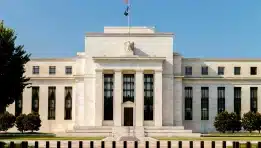
The Dow Jones Industrial Average (^DJI) wrapped up a complex trading week ending January 30, 2026, closing at 48,892.47.

- Ronny Mor
- •
- 6 Min Read
- •
- ago 3 hours
SKN | Resilient Recovery or Short-Term Spike? The U.S. Dollar Reclaims Key Ground Amid Geopolitical Turbulence
The U.S. Dollar Index (DXY) staged a notable recovery during the final week of January 2026, closing at 97.15
- ago 3 hours
- •
- 6 Min Read

The U.S. Dollar Index (DXY) staged a notable recovery during the final week of January 2026, closing at 97.15

- omer bar
- •
- 6 Min Read
- •
- ago 4 hours
SKN | Is the Fear Gauge Waking Up? Assessing the VIX’s Mid-Week Surge
Global markets navigated a turbulent final week of January, characterized by a sharp divergence between early-week optimism and late-week anxiety.
- ago 4 hours
- •
- 6 Min Read

Global markets navigated a turbulent final week of January, characterized by a sharp divergence between early-week optimism and late-week anxiety.

