


- sagi habasov
- •
- 6 Min Read
- •
- 3 months ago
Key Points
- The KOSPI Composite Index reached a historic intraday high of 5,019.54 on January 22, 2026, marking the first time the benchmark has crossed the 5,000-point threshold in its 43-year history.
- Market gains were heavily concentrated in the semiconductor and automotive sectors, with Samsung Electronics’ market capitalization surpassing 1 quadrillion won for the first time.
- While the capital market thrives, a sharp divergence has emerged from the real economy, as South Korea’s GDP contracted 0.3% in the final quarter of 2025.
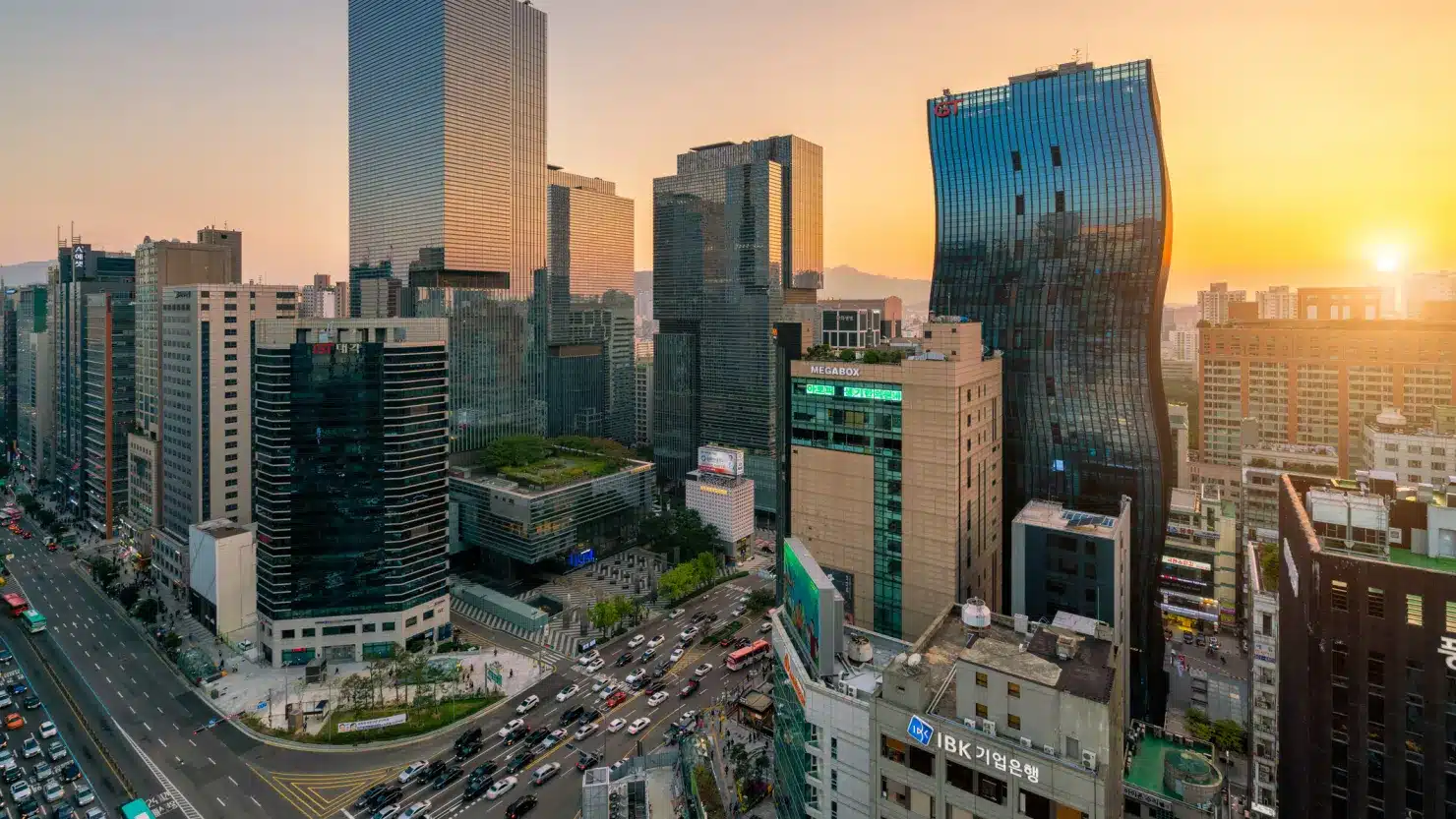
The South Korean equity market reached a definitive turning point this week, with the KOSPI shattering psychological barriers to enter the “5,000 era.” This surge, framed by a broader global rally in AI infrastructure and easing trade tensions, highlights a significant decoupling between robust capital market performance and a more tempered domestic economic recovery.
The 5,000 Breakthrough and Sector Concentration
The week was defined by the index’s relentless climb, culminating in the 5,019.54 peak on Thursday. This rally was fueled by optimistic guidance from global chipmakers and a favorable shift in U.S. trade policy regarding European tariffs, which bolstered investor appetite for risk. However, analytical scrutiny reveals a “K-shaped” market structure; the rally was disproportionately driven by Samsung Electronics and SK Hynix, which now account for nearly 38% of the total market capitalization. This concentration suggests that while the index reflects the success of global tech leaders, nearly half of the listed stocks on the exchange failed to see gains during this historic week.
Macroeconomic Divergence: Market vs. Reality
The jubilant mood on the trading floor stands in stark contrast to recent data from the Bank of Korea. Flash estimates released this week confirmed that the real economy shrank by 0.3% in Q4 2025, primarily due to sluggish construction investment and a slowdown in domestic consumption. This “optical illusion” of growth—where a semiconductor export boom masks a broader industrial malaise—poses a strategic risk for long-term investors. The Korea discount appears to be fading in the eyes of foreign investors, yet the underlying economic health remains precarious as the country faces the lowest annual growth rate since the pandemic era.
Policy Reforms and the “Korea Premium”
In response to the milestone, the Lee Jae-myung administration has signaled an acceleration of the “KOSPI 5,000” legislative agenda. This includes the third revision of the Commercial Act, aimed at mandatory treasury stock cancellation and improving corporate governance to protect minority shareholders. These structural reforms are designed to transition the market from a speculative rally into a sustainable “Korea Premium.” Investors are increasingly moving capital from traditional bank deposits into Individual Savings Accounts (ISAs), seeking direct exposure to the equity boom, which further increases the pressure on regulators to maintain market transparency and stability.
The outlook for the final week of January hinges on the upcoming FOMC meeting and earnings reports from “Magnificent Seven” tech giants in the U.S. While the semiconductor-led momentum remains strong, the market is entering a phase of potential profit-taking as it consolidates near the 5,000 level. Monitoring the gap between export-driven corporate earnings and weak domestic demand will be critical, as any cooling in the global AI cycle could expose the vulnerabilities of such a concentrated index.
Comparison, examination, and analysis between investment houses
Leave your details, and an expert from our team will get back to you as soon as possible
* This article, in whole or in part, does not contain any promise of investment returns, nor does it constitute professional advice to make investments in any particular field.
To read more about the full disclaimer, click here
- Lior mor
- •
- 4 Min Read
- •
- ago 15 minutes
SKN | DigiCo to Sell Chicago Data Center for $750 Million, Boosting Liquidity Position
Strategic Asset Sale in Chicago DigiCo Infrastructure REIT announced it will sell its CHI1 data center facility in Chicago to
- ago 15 minutes
- •
- 4 Min Read

Strategic Asset Sale in Chicago DigiCo Infrastructure REIT announced it will sell its CHI1 data center facility in Chicago to

- omer bar
- •
- 5 Min Read
- •
- ago 3 hours
SKN | Dow Leads Gains as S&P 500 and Nasdaq Hit Record Highs on Oil Pullback and Strong Earnings
Dow Leads Market Rally Dow Jones Industrial Average climbed about 391 points, or 0.8%, leading a broad market rally as
- ago 3 hours
- •
- 5 Min Read
Dow Leads Market Rally Dow Jones Industrial Average climbed about 391 points, or 0.8%, leading a broad market rally as

- Ronny Mor
- •
- 6 Min Read
- •
- ago 5 hours
SKN | Coinbase Weighs In on NY Prediction Markets Lawsuit—Is Regulatory Pressure Reshaping Crypto’s Future?
A lawsuit in New York targeting prediction markets platforms has sparked broader debate across the cryptocurrency industry, with a
- ago 5 hours
- •
- 6 Min Read
A lawsuit in New York targeting prediction markets platforms has sparked broader debate across the cryptocurrency industry, with a

- Arik Arkadi Sluzki
- •
- 6 Min Read
- •
- ago 5 hours
SKN | Rising Layoffs Signal Labor Market Shift—Are Tech Job Cuts Spreading Across the Economy?
Recent labor market data indicates that layoffs are ticking higher, with notable job cuts reported at major companies including
- ago 5 hours
- •
- 6 Min Read

Recent labor market data indicates that layoffs are ticking higher, with notable job cuts reported at major companies including

