


- sagi habasov
- •
- 6 Min Read
- •
- 1 hour ago
Key Points
- The VIX experienced a significant 25% intra-week surge, peaking near 21 points due to geopolitical trade tensions involving Greenland.
- Volatility retreated by week’s end as diplomatic de-escalation in Davos provided a much-needed relief rally for global equities.
- Current technical levels suggest a fragile stability, with the index hovering at 16.09, reflecting a 2.88% daily increase amid ongoing macro uncertainty.
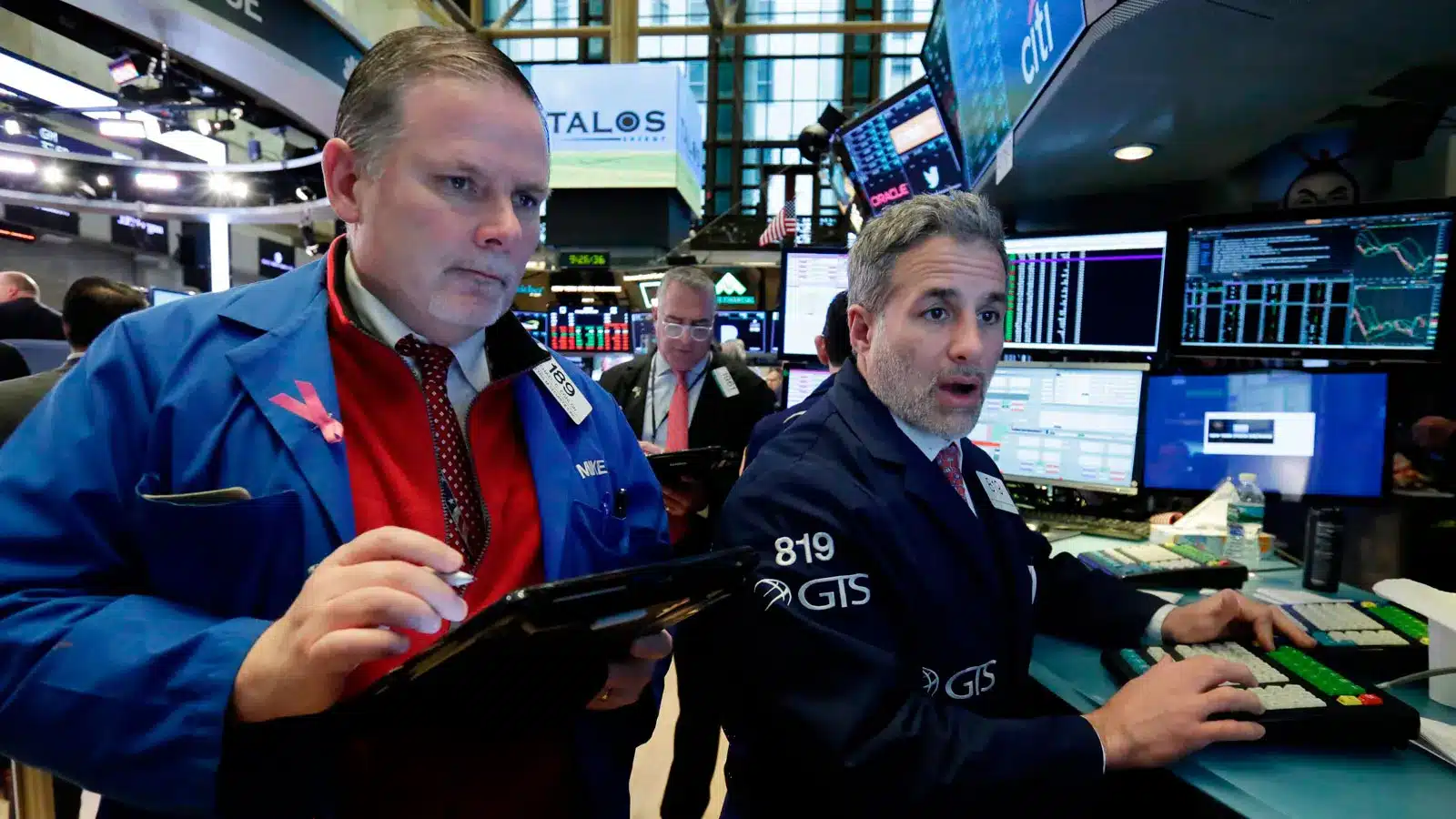
The CBOE Volatility Index (VIX), often referred to as Wall Street’s “fear gauge,” navigated a turbulent path during the week of January 19–23, 2026. What began as a sharp repricing of geopolitical risk eventually gave way to a cautious volatility compression, leaving investors to question whether the current stability is a sustainable trend or merely a pause before the next macro shock.
Geopolitical Friction and the Volatility Spike
The week opened under intense pressure as renewed tariff threats from Washington—specifically linked to proposed administrative shifts and territorial interests in Greenland—sent shockwaves through global markets. This sudden escalation of trade uncertainty caused the VIX to leap from its mid-15 level to a weekly high of 20.99 on Tuesday. For Israeli investors with exposure to multinational tech and export-oriented sectors, this spike highlighted the market’s heightened sensitivity to political headlines, effectively overshadowing localized economic reports and corporate earnings.
Davos Détente: The Catalyst for Calm
The turning point arrived during the World Economic Forum in Davos. News of a framework for negotiation and the suspension of proposed 10% tariffs on several European nations acted as a powerful market sedative. As the “fear factor” dissipated, the VIX witnessed a dramatic mean-reversion, retreating toward the 16.00 handle. This relief rally was fueled by what analysts call positive dealer gamma, where market participants were forced to buy into strength, further suppressing volatility and allowing the S&P 500 and Nasdaq to recover lost ground.
Strategic Implications of the “Fear Gauge” Levels
Despite the end-of-week cooling, the VIX closed at 16.09, up 2.88% on Friday, indicating that the market has not fully returned to its prior state of complacency. The current 52-week range of 13.38 to 60.13 suggests that while we are far from the panic levels seen during previous crises, the base level of anxiety has shifted slightly higher. For sophisticated portfolios, this environment favors tactical hedging rather than aggressive directional bets, as the floor for volatility appears to have moved from the sub-14 lows toward a more defensive 15-16 point baseline.
The outlook for the coming weeks remains tied to policy execution rather than just rhetoric. Investors should closely monitor inflationary data and central bank responses to these trade shifts, as any return to aggressive protectionism could easily trigger a retest of the 21.00 resistance zone. The primary risk remains a “double-top” in volatility if geopolitical tensions reignite, while the opportunity lies in the potential for continued volatility compression if global trade frameworks stabilize. Monitoring the VIX futures term structure will be essential to determine if the current calm is truly the “new normal” for 2026.
Comparison, examination, and analysis between investment houses
Leave your details, and an expert from our team will get back to you as soon as possible
* This article, in whole or in part, does not contain any promise of investment returns, nor does it constitute professional advice to make investments in any particular field.
To read more about the full disclaimer, click here
- orshu
- •
- 7 Min Read
- •
- ago 14 minutes
SKN | DAX Steadies After Tariff Volatility: A Turning Point for European Equities?
The German equity market navigated a period of intense volatility this week, with the DAX 40 benchmark successfully defending
- ago 14 minutes
- •
- 7 Min Read

The German equity market navigated a period of intense volatility this week, with the DAX 40 benchmark successfully defending

- Ronny Mor
- •
- 5 Min Read
- •
- ago 2 hours
SKN | Navigating the “Greenland Gap”: Can the S&P 500 Regain Momentum After a Volatile Week?
The global financial landscape remains in a state of delicate equilibrium as investors digest a week defined by headline-driven
- ago 2 hours
- •
- 5 Min Read

The global financial landscape remains in a state of delicate equilibrium as investors digest a week defined by headline-driven

- sagi habasov
- •
- 6 Min Read
- •
- ago 14 hours
SKN | Can the NASDAQ Maintain Its Altitude Amid Geopolitical Tensions and Inflationary Signals?
The NASDAQ Composite entered the third week of January facing a complex convergence of geopolitical friction and critical macroeconomic
- ago 14 hours
- •
- 6 Min Read

The NASDAQ Composite entered the third week of January facing a complex convergence of geopolitical friction and critical macroeconomic
- orshu
- •
- 6 Min Read
- •
- ago 15 hours
SKN | Is the Dollar Losing Its Grip? Analyzing the Recent Slide in the US Dollar Index
The US Dollar Index (DXY) faced substantial selling pressure this week, retreating to a closing level of 97.46 as
- ago 15 hours
- •
- 6 Min Read

The US Dollar Index (DXY) faced substantial selling pressure this week, retreating to a closing level of 97.46 as

