


- sagi habasov
- •
- 7 Min Read
- •
- 2 months ago
Key Points
- Gold pushed to fresh all-time highs as geopolitical uncertainty and a weaker dollar reinforced safe-haven demand.
- Easing tariff threats and steady disinflation reshaped expectations for U.S. monetary policy later this year.
- Investor focus is shifting toward Federal Reserve leadership and the longer-term implications for real rates.
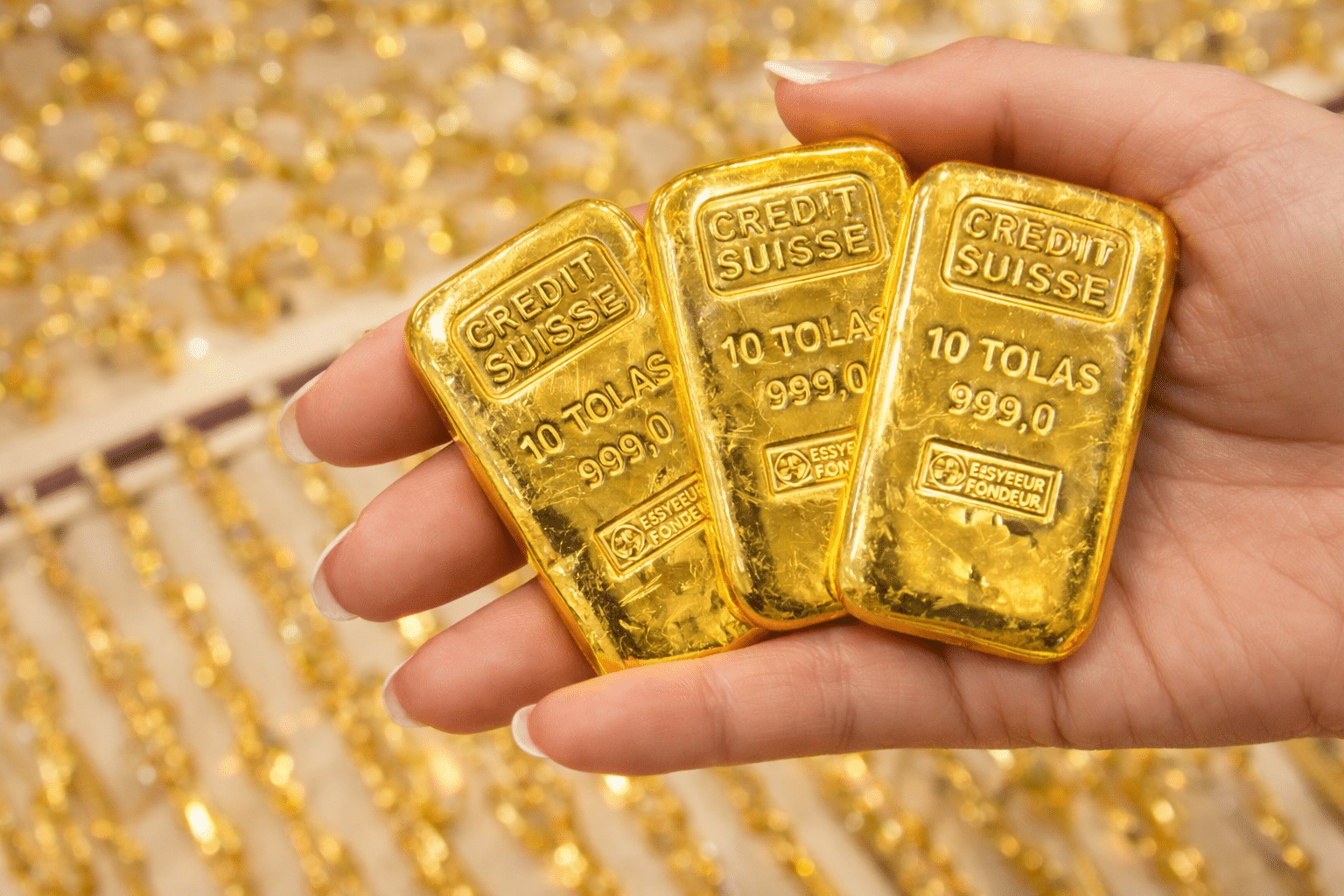
Gold prices climbed above $4,950 per ounce on Friday, briefly setting a new record and capping what is shaping up to be the metal’s strongest weekly performance since the early stages of the pandemic in 2020. The rally reflects a powerful combination of geopolitical uncertainty, softer dollar dynamics, and a recalibration of interest-rate expectations, all of which have pushed investors toward non-sovereign stores of value.
Geopolitics and Policy Uncertainty Fuel Haven Demand
The latest leg higher in gold was driven in part by lingering political ambiguity surrounding U.S. foreign and trade policy. President Trump announced that the United States had secured permanent access to Greenland through a deal involving NATO partners, though the lack of clarity around the agreement and Denmark’s renewed assertion of sovereignty kept markets uneasy. While the immediate risk of escalation appeared to ease after Washington canceled planned tariffs on European imports and the EU suspended its own countermeasures, investors remained cautious about the durability of this détente.
For gold, this environment is supportive. Even when headline risks appear to recede, uncertainty around intentions, enforcement, and longer-term geopolitical alignment tends to sustain demand for hedges. The metal has increasingly been treated not just as a crisis asset, but as portfolio insurance against policy unpredictability.
Monetary Policy Expectations Shift in Gold’s Favor
Macroeconomic data also played a role in reinforcing the bullish narrative. Recent U.S. personal consumption expenditure figures showed both headline and core inflation rising broadly in line with expectations, confirming that disinflation remains intact even as economic activity stays resilient. This balance has encouraged markets to price in two interest-rate cuts by the Federal Reserve later in the year.
Lower expected policy rates reduce the opportunity cost of holding gold, which does not generate yield. More importantly, the prospect of easing monetary conditions supports the view that real rates may drift lower over time, a historically constructive backdrop for bullion. Investors are also closely watching the White House’s imminent decision on the next Federal Reserve chair, with speculation that a more dovish appointment could further entrench expectations for looser policy.
Dollar Weakness and Investor Psychology
The rally has been amplified by renewed softness in the U.S. dollar, which tends to mechanically boost gold prices while also reflecting broader concerns about fiscal discipline and policy credibility. From a behavioral standpoint, gold’s sharp ascent has reinforced momentum-driven buying, drawing in both institutional allocators seeking diversification and tactical investors wary of being underexposed to a rapidly appreciating asset.
At the same time, the metal’s pullback from intraday highs underscores that volatility remains elevated. Profit-taking has become more frequent as prices approach psychologically significant thresholds, suggesting that while the trend is strong, it is unlikely to be linear.
What Comes Next for Gold Markets
Looking ahead, gold’s trajectory will hinge on the interaction between geopolitics, central bank policy, and currency markets. Any renewed escalation in global tensions or clearer signals of monetary easing would likely reinforce the rally. Conversely, a sustained rebound in the dollar or a reassessment of rate-cut expectations could introduce periods of consolidation.
For now, gold’s performance reflects a market that is increasingly focused on risk management rather than return maximization, a mindset that may persist well beyond the current news cycle.
Comparison, examination, and analysis between investment houses
Leave your details, and an expert from our team will get back to you as soon as possible
* This article, in whole or in part, does not contain any promise of investment returns, nor does it constitute professional advice to make investments in any particular field.
To read more about the full disclaimer, click here
- Lior mor
- •
- 6 Min Read
- •
- ago 9 hours
SKN | Why Are European Natural Gas Prices Surging as Middle East LNG Supplies Disrupt Global Markets?
European natural gas prices are climbing sharply as escalating conflict in the Middle East threatens critical liquefied natural gas (LNG)
- ago 9 hours
- •
- 6 Min Read

European natural gas prices are climbing sharply as escalating conflict in the Middle East threatens critical liquefied natural gas (LNG)
- Lior mor
- •
- 6 Min Read
- •
- ago 16 hours
SKN | US Approves Temporary Sales of Russian Oil Stranded at Sea – What It Means for Global Markets
The United States announced it will permit the sale of Russian crude oil that has remained stranded at sea for
- ago 16 hours
- •
- 6 Min Read

The United States announced it will permit the sale of Russian crude oil that has remained stranded at sea for

- Ronny Mor
- •
- 6 Min Read
- •
- ago 20 hours
SKN | Why Are U.S. Gasoline Prices Surging Despite the Largest Strategic Oil Release in History?
U.S. gasoline futures have surged to their highest levels in nearly two years as escalating tensions in the Persian Gulf
- ago 20 hours
- •
- 6 Min Read
U.S. gasoline futures have surged to their highest levels in nearly two years as escalating tensions in the Persian Gulf
- Ronny Mor
- •
- 6 Min Read
- •
- ago 1 day
SKN | Why Is Gold Falling Even as the Iran War Pushes Oil Above $100?
Gold prices slipped as the surge in oil triggered by the escalating conflict with Iran strengthened the U.S. dollar and
- ago 1 day
- •
- 6 Min Read

Gold prices slipped as the surge in oil triggered by the escalating conflict with Iran strengthened the U.S. dollar and

