


- omer bar
- •
- 7 Min Read
- •
- 3 months ago
Key Points
- Dow, S&P 500, and Nasdaq futures traded higher after policy uncertainty tied to Greenland-related comments faded.
- Improved risk sentiment supported equities as investors reassessed geopolitical and trade risks.
- Attention shifted back to macro data, interest rates, and corporate earnings momentum.
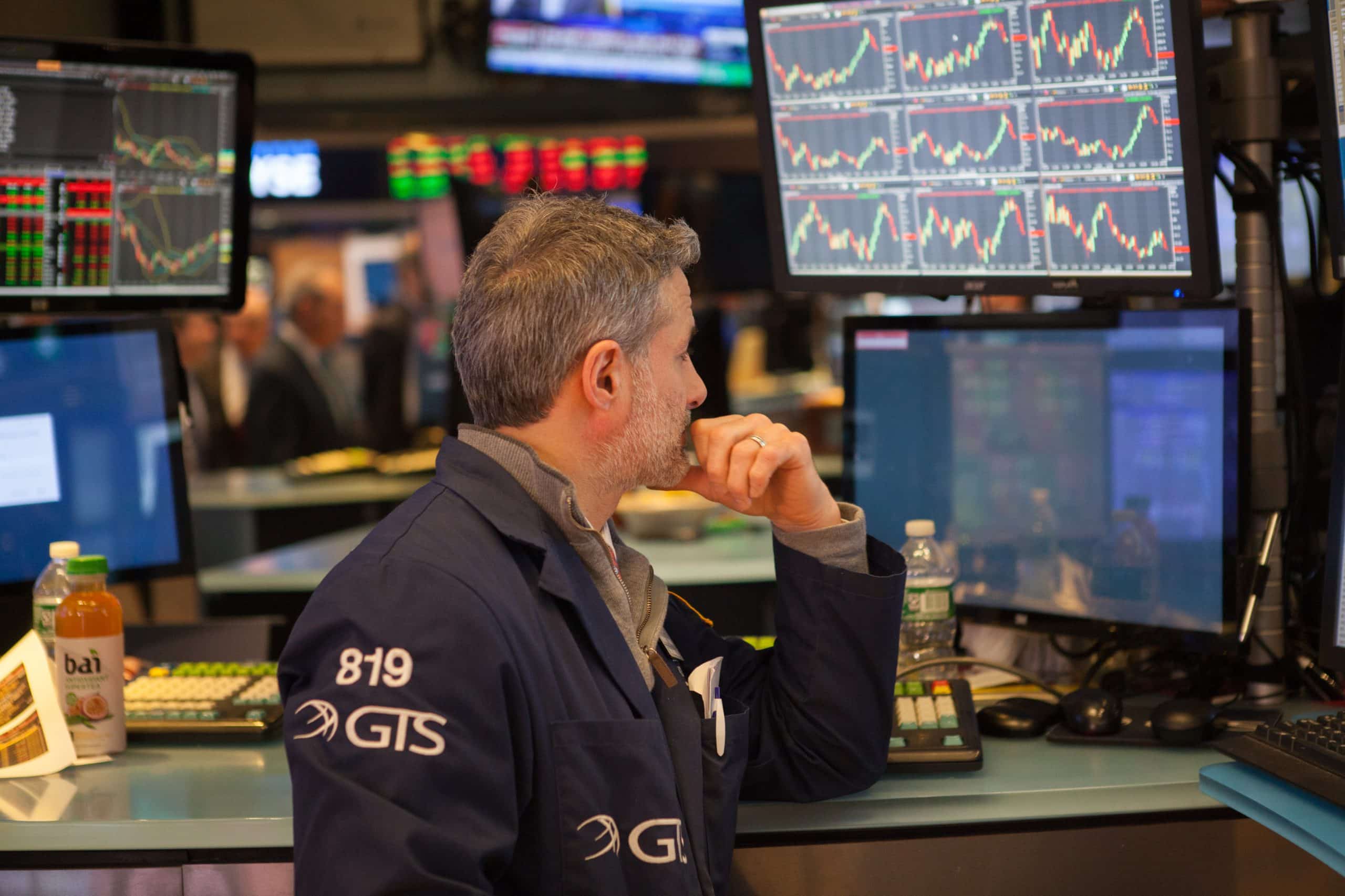
U.S. stock futures moved higher in early trading as markets responded to a rapid reversal in rhetoric from former President Donald Trump related to Greenland, easing concerns about potential trade or geopolitical disruption. The rebound in futures signaled a return of risk appetite after a brief period of volatility, with investors refocusing on broader economic fundamentals and earnings expectations.
Equity Futures Recover After Policy Uncertainty Subsides
Futures tied to the Dow Jones Industrial Average, S&P 500, and Nasdaq Composite all climbed after markets digested clarifications indicating that earlier comments linked to Greenland would not translate into concrete trade measures. The episode briefly unsettled investors, recalling past periods when abrupt policy signals triggered market swings. However, the swift de-escalation helped stabilize sentiment, particularly in equity markets that have been sensitive to geopolitical headlines.
Technology and growth-oriented stocks, which tend to be more exposed to shifts in risk appetite, led gains in premarket trading. The move suggests investors were quick to reengage after determining that the policy impact was likely limited. For global investors, including those in Israel, the episode underscored how U.S. political developments can ripple quickly through international markets, even when the underlying economic implications remain uncertain.
Macro Focus Returns to Rates, Data, and Earnings
With headline risk receding, market attention shifted back to core macro drivers. Interest rate expectations remain a central focus, as investors continue to assess the Federal Reserve’s policy path in light of cooling inflation data and mixed signals from the U.S. labor market. Treasury yields have shown signs of stabilization, providing a more supportive backdrop for equities compared with earlier periods of rate-driven volatility.
Corporate earnings also remain a key pillar for market direction. Recent results have reinforced the narrative of resilient profit margins in several sectors, particularly technology and consumer services, even as growth moderates. For Israeli institutional and private investors with exposure to U.S. equities, the combination of earnings visibility and macro clarity remains a critical determinant of portfolio positioning.
Volatility Highlights Sensitivity to Political Signals
The brief market reaction to Trump’s Greenland comments highlighted the continued sensitivity of financial markets to political messaging, even in the absence of immediate policy action. While investors appear increasingly adept at distinguishing between rhetoric and implementation, sudden shifts in tone can still generate short-term volatility, particularly in futures and currency markets.
This sensitivity has implications beyond U.S. borders. Global asset allocators are navigating an environment where geopolitical narratives, monetary policy, and economic data interact in complex ways. Episodes like this reinforce the importance of liquidity conditions and market depth, which can amplify or dampen reactions to unexpected news.
Looking ahead, investors will be watching upcoming economic releases, Federal Reserve communications, and the pace of corporate earnings updates for confirmation that the underlying market trend remains intact. Risks include renewed political uncertainty or a sharper-than-expected slowdown in economic activity, while opportunities may emerge if volatility creates more attractive entry points. For now, the rise in futures suggests markets are choosing to look past short-lived uncertainty and refocus on fundamentals shaping the next phase of the equity cycle.
Comparison, examination, and analysis between investment houses
Leave your details, and an expert from our team will get back to you as soon as possible
* This article, in whole or in part, does not contain any promise of investment returns, nor does it constitute professional advice to make investments in any particular field.
To read more about the full disclaimer, click here
- orshu
- •
- 7 Min Read
- •
- ago 4 hours
SKN | Israeli Markets Rally Broadly as TA-35 Jumps Nearly 2% on Strong Risk-On Sentiment
Israeli financial markets are trading firmly higher, with equities posting broad-based gains across major indices while bond markets also reflect
- ago 4 hours
- •
- 7 Min Read

Israeli financial markets are trading firmly higher, with equities posting broad-based gains across major indices while bond markets also reflect
- orshu
- •
- 6 Min Read
- •
- ago 9 hours
SKN | Global Markets Wrap: May 5, 2026 Performance Review and Outlook for May 6, 2026 as Risk Sentiment Holds Amid Holiday-Thinned Global Liquidity
Global markets closed higher on May 5, 2026, supported by continued strength in U.S. equities and steady gains across European
- ago 9 hours
- •
- 6 Min Read
Global markets closed higher on May 5, 2026, supported by continued strength in U.S. equities and steady gains across European

- Lior mor
- •
- 8 Min Read
- •
- ago 11 hours
SKN | Asian Markets Extend Gains on May 6 as Korea Surges While Australia and Japan Support Broader Momentum
Asian equity markets opened Wednesday, May 6 with strong upward momentum across parts of the region, led by a sharp
- ago 11 hours
- •
- 8 Min Read

Asian equity markets opened Wednesday, May 6 with strong upward momentum across parts of the region, led by a sharp
- Lior mor
- •
- 4 Min Read
- •
- ago 14 hours
SKN | DigiCo to Sell Chicago Data Center for $750 Million, Boosting Liquidity Position
Strategic Asset Sale in Chicago DigiCo Infrastructure REIT announced it will sell its CHI1 data center facility in Chicago to
- ago 14 hours
- •
- 4 Min Read
Strategic Asset Sale in Chicago DigiCo Infrastructure REIT announced it will sell its CHI1 data center facility in Chicago to


