


- Ronny Mor
- •
- 7 Min Read
- •
- 4 months ago
Key Points
- U.S. equity futures moved lower after reports of renewed tariff threats linked to Trump’s rhetoric toward key allies, unsettling global risk sentiment.
- The pullback reflects heightened sensitivity to trade policy uncertainty at a time when valuations remain elevated and macro signals are mixed.
- Global markets, including Israel, are watching closely for spillover effects on currencies, supply chains, and cross-border capital flows.
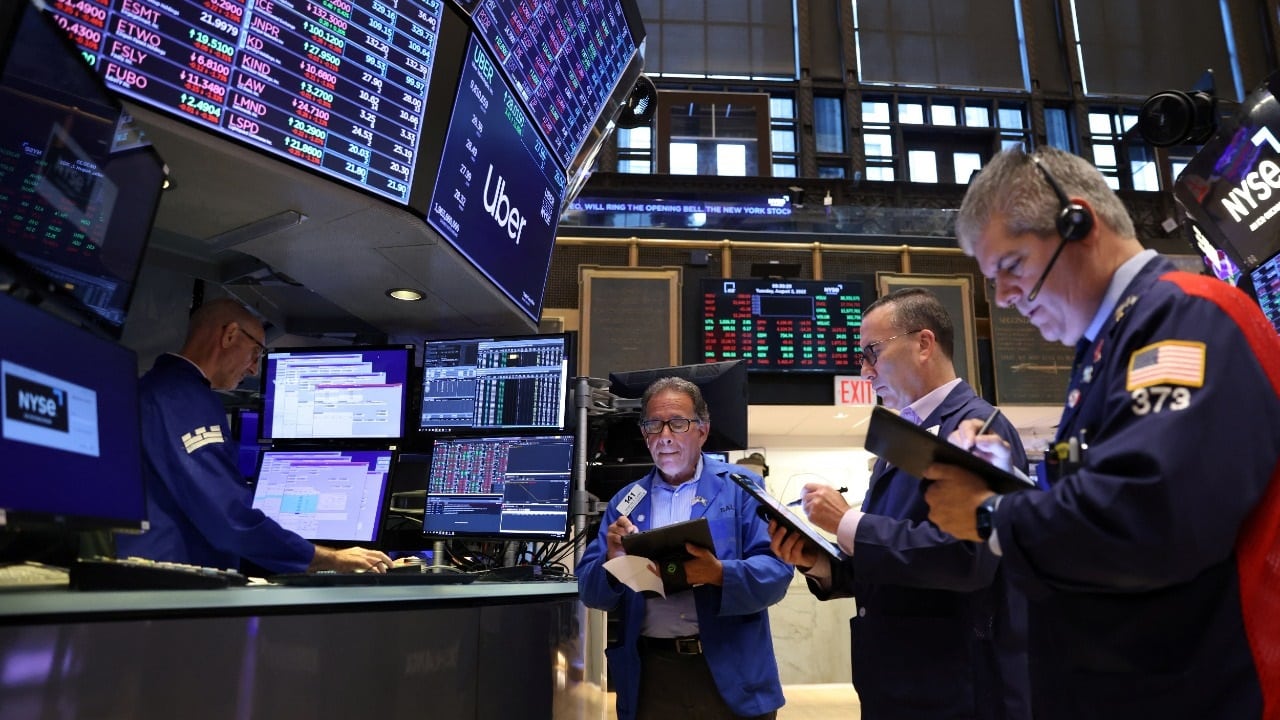
U.S. stock index futures pointed lower in early trading as investors reacted to renewed trade-related uncertainty following comments attributed to former President Donald Trump targeting U.S. allies with potential tariff measures linked to Greenland. The move weighed on risk appetite, sending Dow, S&P 500, and Nasdaq futures into negative territory and reviving concerns over the return of geopolitical-driven market volatility.
Futures React to Trade Policy Uncertainty
The decline in U.S. futures underscores how sensitive markets remain to trade policy rhetoric, particularly when it involves major economic partners. Even without concrete policy action, the prospect of new tariffs introduces uncertainty around global growth, corporate margins, and inflation dynamics. Equity futures tied to the Dow Jones Industrial Average, S&P 500, and Nasdaq reflected this caution, with technology and industrial-linked contracts among the most pressured, given their exposure to global supply chains.
This reaction highlights a familiar pattern from previous trade disputes, where markets quickly price in downside risks before details emerge. For investors, the issue is less about the immediate probability of tariffs and more about the potential for prolonged uncertainty that can delay investment decisions and disrupt cross-border commerce.
Macro Context: Valuations, Inflation, and Policy Sensitivity
The renewed volatility comes at a time when U.S. equities are trading near historically elevated valuation levels, leaving limited margin for error. With inflation showing signs of moderation but not yet fully tamed, markets remain highly sensitive to any factor that could complicate central bank policy paths. Trade tensions can act as an inflationary force by raising input costs, potentially constraining the Federal Reserve’s flexibility on interest rates.
In this context, tariff threats reintroduce a macro risk that many investors had deprioritized. The reaction in futures suggests that markets are reassessing downside scenarios, particularly if political developments begin to influence economic policy expectations more directly as the U.S. election cycle advances.
Global and Israeli Market Implications
For global investors, including those in Israel, renewed U.S. trade tensions have broader implications beyond Wall Street. Heightened volatility in U.S. equities often spills over into global markets, affecting currencies, bond yields, and risk premiums. Israeli institutional investors with exposure to U.S. technology and industrial sectors may face increased short-term volatility, while the shekel could be influenced indirectly by shifts in global risk appetite and dollar dynamics.
Additionally, trade uncertainty can impact multinational companies with complex supply chains, a factor relevant to Israeli firms operating internationally or listed abroad. The episode serves as a reminder that political headlines can quickly translate into financial market stress, even in the absence of immediate policy changes.
What Markets Will Be Watching Next
Looking ahead, investors will focus on whether tariff-related rhetoric escalates into formal policy proposals or remains a negotiating tactic. Key factors to monitor include official responses from U.S. allies, signals from global trade bodies, and any indication that trade tensions could influence inflation or growth forecasts. Upcoming economic data and central bank communications will also be critical in determining whether markets can absorb political noise or if volatility is set to persist. In the near term, cautious positioning and close attention to geopolitical developments are likely to remain defining features of market behavior.
Comparison, examination, and analysis between investment houses
Leave your details, and an expert from our team will get back to you as soon as possible
* This article, in whole or in part, does not contain any promise of investment returns, nor does it constitute professional advice to make investments in any particular field.
To read more about the full disclaimer, click here
- orshu
- •
- 7 Min Read
- •
- ago 1 hour
SKN | Tel Aviv Stock Exchange Mixed as TA-35 Edges Higher While Sector Rotation Signals Market Fragmentation
Israeli financial markets are trading in a mixed and selective environment, with the Tel Aviv-35 index posting a modest gain
- ago 1 hour
- •
- 7 Min Read

Israeli financial markets are trading in a mixed and selective environment, with the Tel Aviv-35 index posting a modest gain
- orshu
- •
- 8 Min Read
- •
- ago 6 hours
SKN | Global Market Wrap: May 4, 2026 Holiday-Thinned Trading Drives Divergent Moves as Volatility Surges – Outlook Ahead of May 5, 2026 Session
Global financial markets on May 4, 2026 operated under significantly reduced liquidity conditions due to widespread regional holidays across Asia
- ago 6 hours
- •
- 8 Min Read

Global financial markets on May 4, 2026 operated under significantly reduced liquidity conditions due to widespread regional holidays across Asia

- Lior mor
- •
- 7 Min Read
- •
- ago 8 hours
SKN | Can Impact Therapeutics’ $117 Million Hong Kong IPO Signal Renewed Investor Appetite for China Biotech Listings?
China-based Impact Therapeutics is preparing to raise up to $117 million through an initial public offering in Hong Kong, according
- ago 8 hours
- •
- 7 Min Read

China-based Impact Therapeutics is preparing to raise up to $117 million through an initial public offering in Hong Kong, according

- Ronny Mor
- •
- 8 Min Read
- •
- ago 9 hours
SKN | Asian Markets Surge on May 5 as Korea Rallies Sharply While China and Japan See Holiday-Driven Stability
Asian equity markets opened Tuesday, May 5 with strong upward momentum across much of the region, led by a sharp
- ago 9 hours
- •
- 8 Min Read

Asian equity markets opened Tuesday, May 5 with strong upward momentum across much of the region, led by a sharp


