


- Lior mor
- •
- 7 Min Read
- •
- 2 months ago
Key Points
- Alibaba-backed Moonshot AI is being valued at $4.8 billion in a new funding round, a $500 million jump in just weeks.
- Strong post-IPO performance of Chinese AI rivals in Hong Kong is reshaping private-market benchmarks.
- Restrictions on U.S. AI services in China are accelerating investor focus on domestic AI champions.
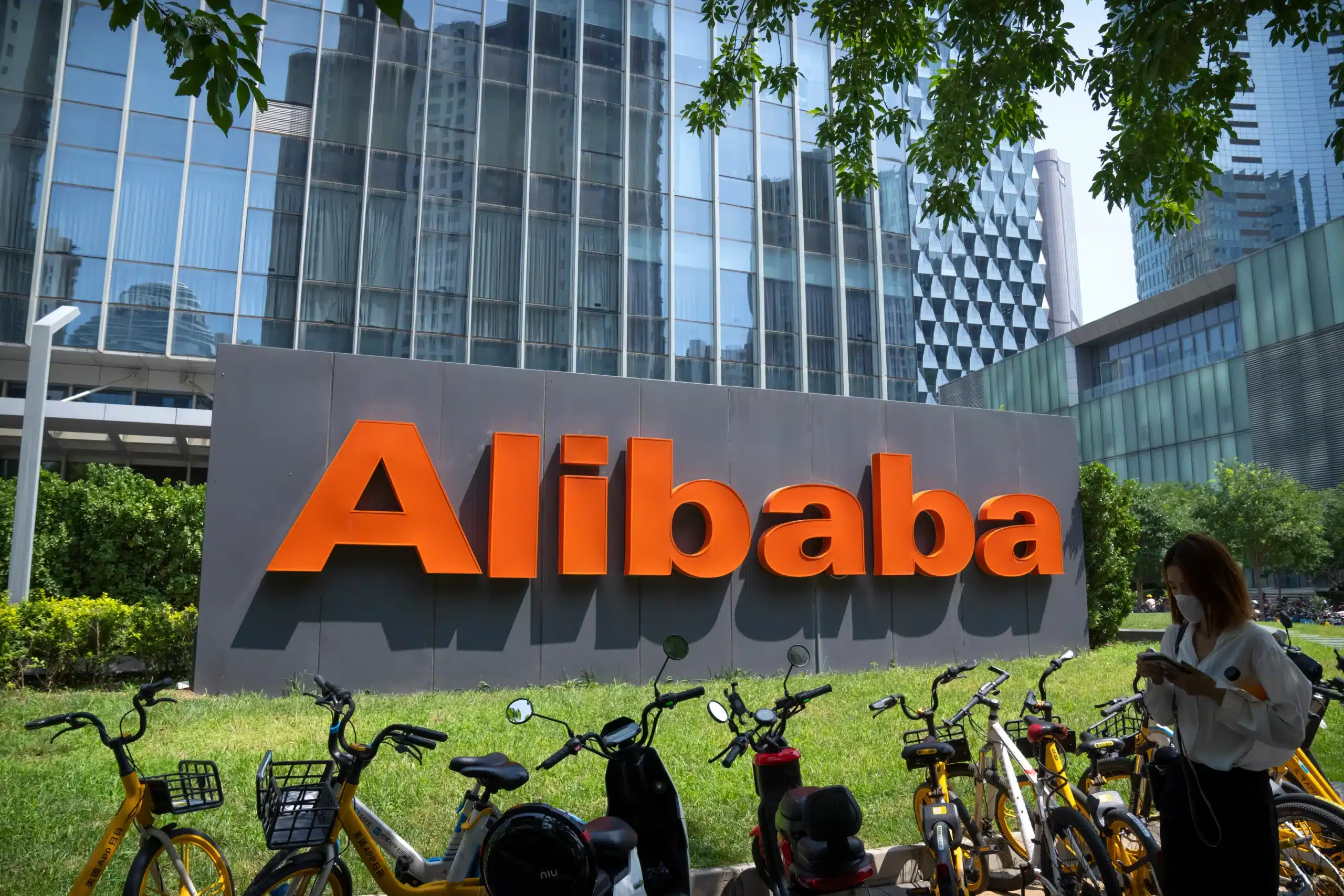
Investor enthusiasm for Chinese artificial intelligence companies is accelerating once again, with private valuations rising sharply in response to public-market momentum. Moonshot AI, a Beijing-based startup backed by Alibaba, is now being valued at $4.8 billion in a fresh funding round, according to people familiar with the deal. That represents a $500 million increase from the company’s valuation just last month, highlighting how quickly sentiment has shifted in China’s AI sector.
The revaluation underscores a broader reassessment of Chinese AI assets as capital flows back into the space following successful listings by rival firms in Hong Kong. For investors, Moonshot’s rising valuation signals growing confidence that domestic AI leaders can command premium pricing in both private and public markets.
IPO Success Resets Valuation Benchmarks
Moonshot AI’s latest funding comes on the heels of strong debuts by two competing Chinese AI companies, Zhipu and MiniMax, which listed in Hong Kong earlier this year. Their post-IPO rallies have pushed valuations into the double-digit billions, providing fresh reference points for private investors evaluating late-stage AI startups.
Zhipu, trading under the name Knowledge Atlas, recently reached a market capitalization of about $13 billion, while MiniMax is valued at roughly $15.2 billion, according to market data. These figures have helped narrow the valuation gap between listed peers and high-growth private companies such as Moonshot, encouraging investors to move quickly to secure allocations.
Product Traction and Strategic Backing
Moonshot AI is best known for its Kimi chatbot, which gained widespread adoption in China months before the release of DeepSeek last year. The company’s growing visibility has been reinforced by its shareholder base, which includes not only Alibaba but also Tencent and IDG, participants in its previous funding round announced on December 31.
According to sources, the current round is expected to close soon due to strong demand, with the possibility that subsequent financings could push Moonshot’s valuation even higher. The company has not commented publicly on the funding or on any potential plans to pursue an initial public offering.
Structural Tailwinds for Chinese AI
A key driver behind renewed investor interest is the unique market structure in mainland China. U.S.-based AI platforms such as OpenAI’s ChatGPT are not officially available, while Beijing continues to restrict access to many foreign internet services. At the same time, U.S. companies face tighter limits on doing business with China, reinforcing the strategic importance of domestic AI development.
These constraints have effectively created a protected environment in which local AI startups can scale products, attract users and monetize applications without direct competition from global incumbents.
What Comes Next for Moonshot AI
While Moonshot AI remains privately held, its rapid valuation increase highlights how expectations for Chinese AI companies are evolving. Investors are increasingly willing to pay up for platforms that demonstrate user traction, strong backers and potential paths to public markets, particularly as Hong Kong re-emerges as a viable listing venue for technology firms.
If IPO momentum among peers continues, Moonshot and similar startups may find themselves under growing pressure to consider public offerings sooner rather than later. For now, the latest funding round suggests that China’s AI race is entering a new phase—one where private valuations are being pulled higher by public-market enthusiasm and strategic urgency.
Comparison, examination, and analysis between investment houses
Leave your details, and an expert from our team will get back to you as soon as possible
* This article, in whole or in part, does not contain any promise of investment returns, nor does it constitute professional advice to make investments in any particular field.
To read more about the full disclaimer, click here
- Lior mor
- •
- 7 Min Read
- •
- ago 4 hours
SKN | Ondas Holdings Gains Investor Attention as Drone and Industrial Wireless Demand Drives Growth Expectations
Ondas Holdings Inc. (ONDS) attracted renewed investor attention after closing at approximately $10.01, representing a gain of nearly 3% for
- ago 4 hours
- •
- 7 Min Read

Ondas Holdings Inc. (ONDS) attracted renewed investor attention after closing at approximately $10.01, representing a gain of nearly 3% for

- Ronny Mor
- •
- 6 Min Read
- •
- ago 8 hours
SKN | Anthropic Warns of Billions at Risk if US Restricts Access to Its AI Tools
Anthropic, the AI startup known for developing advanced language models, has told a U.S. federal judge that billions of dollars
- ago 8 hours
- •
- 6 Min Read

Anthropic, the AI startup known for developing advanced language models, has told a U.S. federal judge that billions of dollars

- omer bar
- •
- 7 Min Read
- •
- ago 13 hours
SKN | Coherent (COHR) Stock Climbs as Demand for AI and Optical Semiconductor Technologies Accelerates
Shares of Coherent Corp. (NYSE: COHR) traded higher during the latest market session, drawing attention from investors tracking companies
- ago 13 hours
- •
- 7 Min Read
Shares of Coherent Corp. (NYSE: COHR) traded higher during the latest market session, drawing attention from investors tracking companies
- Ronny Mor
- •
- 7 Min Read
- •
- ago 14 hours
SKN | Oracle Surges After Q1 CY2026 Revenue Beat — Is Cloud Momentum Reshaping the Software Giant’s Growth Story?
Shares of Oracle Corporation (NYSE: ORCL) climbed sharply following the company’s Q1 CY2026 earnings release, after the enterprise software
- ago 14 hours
- •
- 7 Min Read

Shares of Oracle Corporation (NYSE: ORCL) climbed sharply following the company’s Q1 CY2026 earnings release, after the enterprise software

