


- orshu
- •
- 6 Min Read
- •
- 2 months ago
Key Points
- Oil prices declined as easing tensions around Iran reduced immediate supply disruption risks.
- Markets refocused on geopolitical rhetoric after former President Donald Trump raised fresh threats tied to Greenland.
- Energy markets showed increased sensitivity to headline-driven risk shifts rather than fundamental supply shortages.
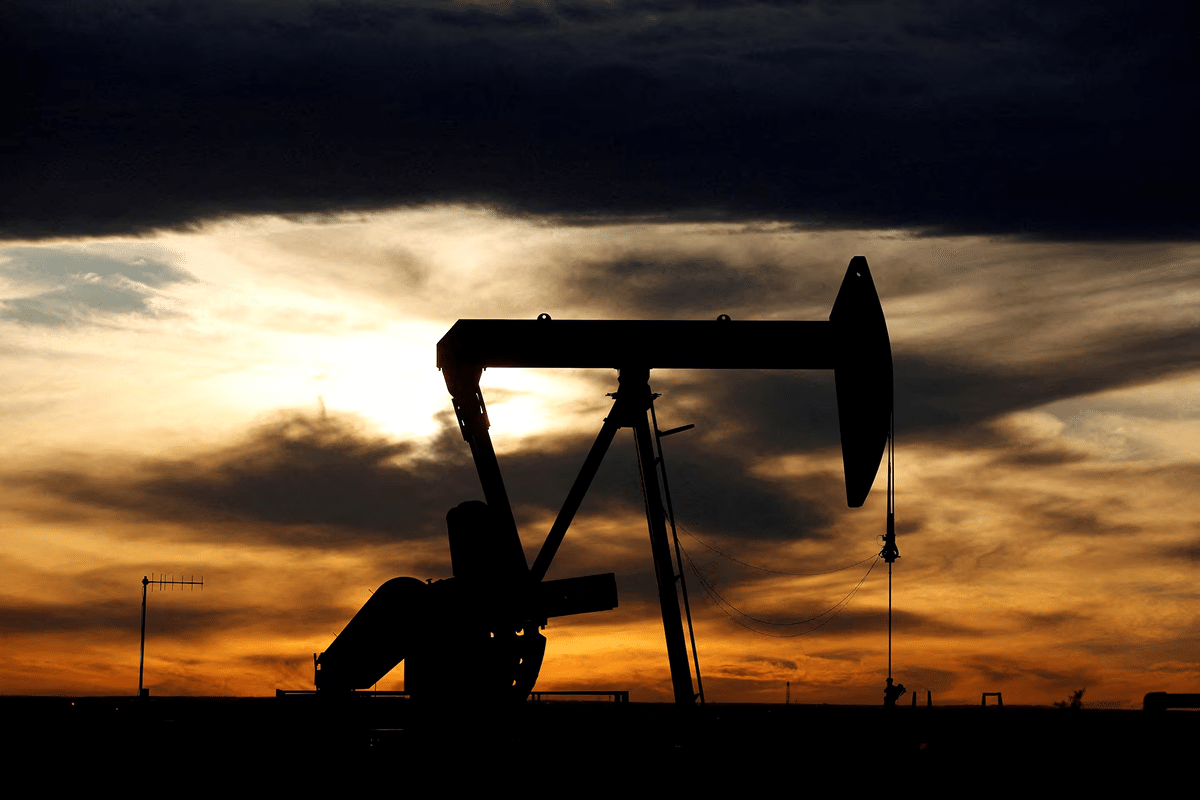
Global oil prices edged lower as signs of easing tensions involving Iran alleviated concerns over near-term supply disruptions, dampening the recent risk premium built into crude markets. At the same time, renewed geopolitical uncertainty emerged after Donald Trump threatened actions linked to Greenland, redirecting investor attention without immediately supporting oil prices.
Iran De-Escalation Reduces Supply Risk Premium
Crude markets initially softened as reports suggested a cooling of tensions surrounding Iran, a key oil producer whose geopolitical posture often influences price volatility. Reduced fears of military escalation or sanctions tightening lowered the likelihood of sudden supply shocks, prompting traders to unwind defensive positions. This shift highlights how quickly oil markets recalibrate when perceived threats to production or shipping lanes, particularly in the Middle East, begin to fade. Even modest signs of diplomatic stabilization can have an outsized impact on pricing, given how heavily recent gains were driven by risk hedging rather than demand growth.
Trump’s Greenland Rhetoric Adds Political Noise
While Iran-related risks eased, fresh geopolitical uncertainty surfaced as Donald Trump issued renewed threats involving Greenland, a strategically significant territory due to its location and resource potential. Although the immediate implications for oil supply remain indirect, such rhetoric reinforces broader concerns about unpredictable trade and foreign policy dynamics. Markets largely interpreted these developments as political noise rather than an imminent energy shock, explaining why oil failed to find support despite rising geopolitical headlines. The episode underscores a growing distinction in markets between rhetoric that affects energy flows directly and statements that primarily influence broader risk sentiment.
Energy Markets Balance Macro Signals and Demand Outlook
Beyond geopolitics, oil prices continue to grapple with mixed macroeconomic signals. Demand expectations remain uneven, shaped by slowing growth in some major economies and ongoing questions around global manufacturing activity. At the same time, supply discipline from major producers has helped prevent sharper declines, keeping prices within a relatively tight range. For energy equities, the softer oil move weighed modestly on sentiment, particularly among upstream producers, while refiners and transport-linked stocks showed more resilience due to stable margins and demand visibility. Israeli investors tracking global energy exposure are increasingly focused on how external political risks intersect with fundamentals rather than acting as standalone price drivers.
Looking ahead, oil markets will closely monitor whether easing Iran tensions persist or reverse, as well as whether Trump’s Greenland-related threats translate into concrete policy actions. A renewed escalation involving key producers or shipping routes could quickly rebuild the risk premium, while continued diplomatic calm may leave prices more exposed to demand-side pressures and macro data. With geopolitical narratives shifting rapidly, oil is likely to remain highly responsive to headlines, even as underlying supply-demand balances play a secondary but stabilizing role.
Comparison, examination, and analysis between investment houses
Leave your details, and an expert from our team will get back to you as soon as possible
* This article, in whole or in part, does not contain any promise of investment returns, nor does it constitute professional advice to make investments in any particular field.
To read more about the full disclaimer, click here
- Ronny Mor
- •
- 6 Min Read
- •
- ago 50 minutes
SKN | Oil Tankers Shift Toward the Red Sea as Saudi Exports Bypass the Strait of Hormuz
Oil markets are increasingly focused on maritime logistics in the Middle East after reports that Saudi Arabia has begun
- ago 50 minutes
- •
- 6 Min Read

Oil markets are increasingly focused on maritime logistics in the Middle East after reports that Saudi Arabia has begun

- omer bar
- •
- 5 Min Read
- •
- ago 2 hours
SKN | Centene Shares Slide as Obamacare Enrollment Declines Faster Than Expected
Shares of Centene Corporation declined after the U.S. health insurer signaled a steeper drop in membership within Affordable Care
- ago 2 hours
- •
- 5 Min Read

Shares of Centene Corporation declined after the U.S. health insurer signaled a steeper drop in membership within Affordable Care

- orshu
- •
- 6 Min Read
- •
- ago 3 hours
SKN | Israel Market Close – March 10, 2026: Tel Aviv Stocks Extend Losses as Mid-Caps Slide Nearly 2% and Market Breadth Weakens
Israeli financial markets closed lower on March 10, 2026, extending the downward momentum that began in the previous session. Selling
- ago 3 hours
- •
- 6 Min Read

Israeli financial markets closed lower on March 10, 2026, extending the downward momentum that began in the previous session. Selling

- Lior mor
- •
- 5 Min Read
- •
- ago 4 hours
SKN | Aramco CEO Warns of ‘Catastrophic’ Global Impact if Oil Crisis Persists
Saudi Aramco’s CEO, Fahad al-Saud, issued a stark warning on Monday regarding the ongoing oil market disruptions, calling them
- ago 4 hours
- •
- 5 Min Read

Saudi Aramco’s CEO, Fahad al-Saud, issued a stark warning on Monday regarding the ongoing oil market disruptions, calling them

