


- sagi habasov
- •
- 7 Min Read
- •
- 2 months ago
Key Points
- Meta’s metaverse ambitions unraveled as consumer adoption failed to match the company’s aggressive vision.
- Technical limitations, weak use cases, and hardware fatigue undermined long-term engagement.
- The strategy ultimately redirected Meta’s investments toward AI-powered wearables and smart glasses.
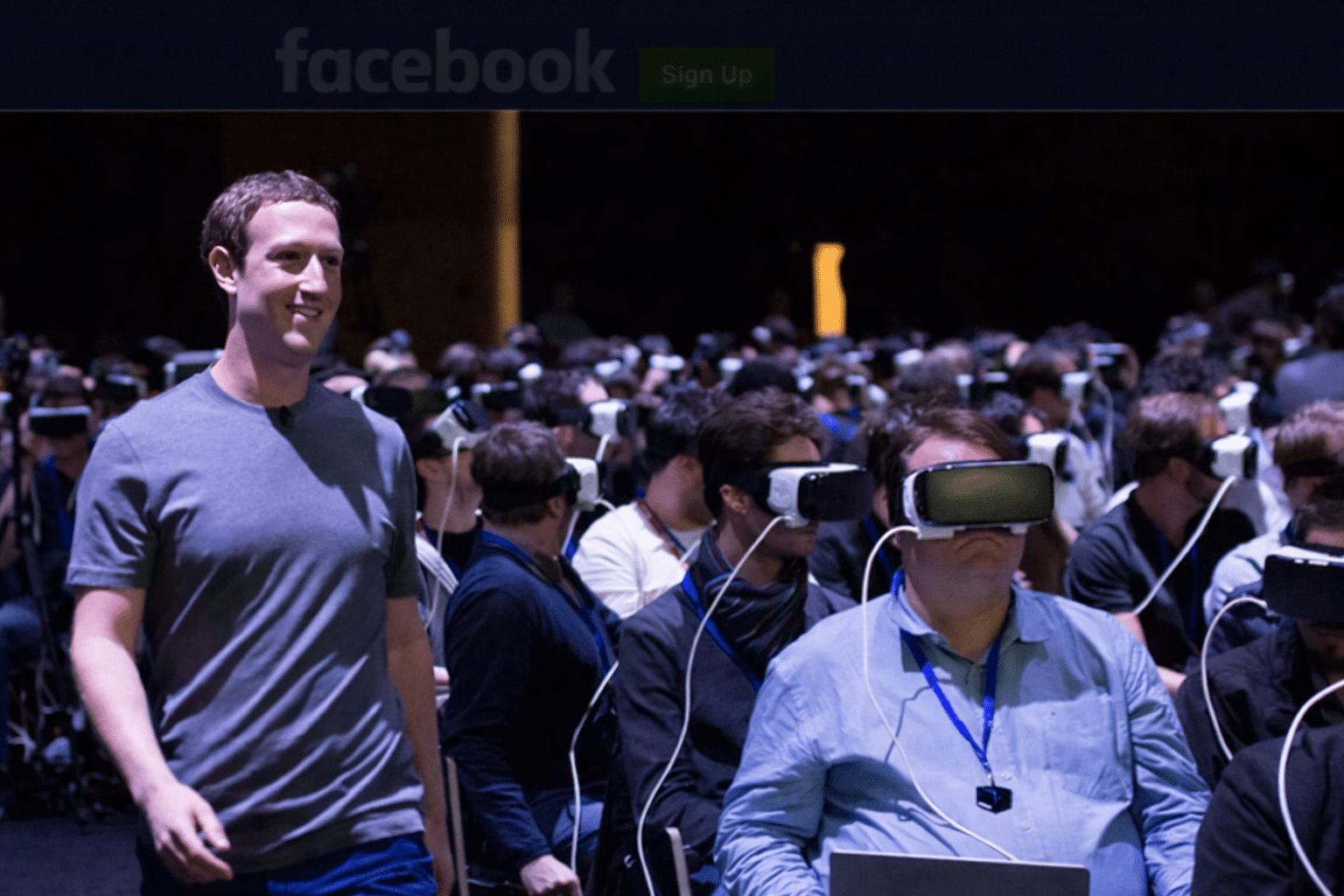
When Mark Zuckerberg rebranded Facebook as Meta in late 2021, the move was framed as a generational pivot — a bet that immersive digital worlds would define the next era of the internet. The metaverse was positioned as a successor to social media itself, promising persistent virtual environments where people would work, socialize, and transact through avatars. Three years later, that vision has largely faded from the company’s core narrative, replaced by a sharper focus on artificial intelligence and wearable computing.
The reversal reflects not a single failure, but a series of strategic miscalculations that collided with market reality.
Overpromising Before the Market Was Ready
From the outset, Meta’s metaverse pitch set expectations extraordinarily high. Carefully produced demos showcased lifelike avatars, seamless virtual collaboration, and richly detailed digital environments that felt closer to science fiction than consumer technology. Yet even Zuckerberg acknowledged at the time that many of the underlying innovations required to deliver that future did not yet exist.
That gap between promise and product proved costly. While Meta succeeded in becoming one of the world’s largest sellers of virtual reality headsets through its Quest lineup, the software ecosystem meant to anchor the metaverse — particularly Horizon Worlds — struggled to gain sustained traction. Users encountered clunky interfaces, limited content, and visuals that fell well short of expectations, eroding enthusiasm before network effects could take hold.
Hardware Fatigue and Weak Consumer Pull
The broader hardware environment also worked against Meta’s ambitions. VR headsets remain bulky, isolating, and uncomfortable for extended use, limiting their appeal beyond niche audiences. Even premium devices from competitors failed to spark mass adoption, reinforcing the idea that immersive headsets were not yet ready to replace smartphones or laptops.
Global VR shipments declined sharply in recent years, underscoring waning consumer interest. Without a clear everyday use case — or a compelling reason to spend hours in virtual spaces — the metaverse struggled to justify its place in consumers’ routines. What was envisioned as a social revolution increasingly felt like an expensive experiment searching for demand.
Strategic Costs and Investor Pressure
As adoption lagged, the financial burden mounted. Meta poured tens of billions of dollars into Reality Labs, posting repeated quarterly losses that became harder to defend as macroeconomic conditions tightened. Investors began pressing management to rein in spending and refocus on higher-return initiatives.
That pressure coincided with the rapid rise of generative AI, offering Meta a clearer commercial opportunity with faster monetization potential. Cost cuts across the company effectively marked a turning point, with resources reallocated away from expansive virtual worlds and toward AI-driven products.
A Pivot, Not a Dead End
While Meta has de-emphasized the metaverse, the effort was not entirely wasted. Research and development from those years directly informed the company’s progress in smart glasses and wearable technology, including AI-enabled Ray-Ban products. These devices offer a more incremental, practical path toward ambient computing — one that integrates into daily life rather than replacing it outright.
Importantly, the metaverse concept itself may still evolve. Many analysts now view it less as a single destination and more as a convergence of technologies spanning AI, spatial computing, and digital interfaces. The timing, however, remains uncertain.
For Meta, the lesson appears clear: visionary narratives must align with consumer readiness. The company’s next chapter hinges on whether AI-powered wearables can succeed where the metaverse overreached — delivering tangible value before asking users to imagine an entirely new digital world.
Comparison, examination, and analysis between investment houses
Leave your details, and an expert from our team will get back to you as soon as possible
* This article, in whole or in part, does not contain any promise of investment returns, nor does it constitute professional advice to make investments in any particular field.
To read more about the full disclaimer, click here
- omer bar
- •
- 7 Min Read
- •
- ago 4 hours
SKN | Coherent (COHR) Stock Climbs as Demand for AI and Optical Semiconductor Technologies Accelerates
Shares of Coherent Corp. (NYSE: COHR) traded higher during the latest market session, drawing attention from investors tracking companies
- ago 4 hours
- •
- 7 Min Read
Shares of Coherent Corp. (NYSE: COHR) traded higher during the latest market session, drawing attention from investors tracking companies

- Ronny Mor
- •
- 7 Min Read
- •
- ago 4 hours
SKN | Oracle Surges After Q1 CY2026 Revenue Beat — Is Cloud Momentum Reshaping the Software Giant’s Growth Story?
Shares of Oracle Corporation (NYSE: ORCL) climbed sharply following the company’s Q1 CY2026 earnings release, after the enterprise software
- ago 4 hours
- •
- 7 Min Read

Shares of Oracle Corporation (NYSE: ORCL) climbed sharply following the company’s Q1 CY2026 earnings release, after the enterprise software
- omer bar
- •
- 8 Min Read
- •
- ago 6 hours
SKN | AXT Inc. Surges Nearly 19% as Semiconductor Materials Demand Fuels Strong Stock Momentum
AXT Inc. (AXTI) surged sharply in recent trading, climbing nearly 19% to around $45.84 as investors piled into semiconductor supply-chain
- ago 6 hours
- •
- 8 Min Read
AXT Inc. (AXTI) surged sharply in recent trading, climbing nearly 19% to around $45.84 as investors piled into semiconductor supply-chain

- sagi habasov
- •
- 7 Min Read
- •
- ago 16 hours
SKN | Is the AI Chip Boom Still Accelerating as TSMC Reports 30% Sales Growth?
Global demand for artificial intelligence infrastructure continues to drive strong growth across the semiconductor industry, with Taiwan Semiconductor Manufacturing Co.
- ago 16 hours
- •
- 7 Min Read
Global demand for artificial intelligence infrastructure continues to drive strong growth across the semiconductor industry, with Taiwan Semiconductor Manufacturing Co.

