


- sagi habasov
- •
- 8 Min Read
- •
- 2 months ago
Key Points
- European gas prices rose to six-month highs as colder weather boosts demand against low storage levels.
- Reduced LNG flows from the U.S. and rising Asian demand are tightening the global supply picture.
- While far below crisis peaks, the market remains highly sensitive to weather and geopolitical risks.
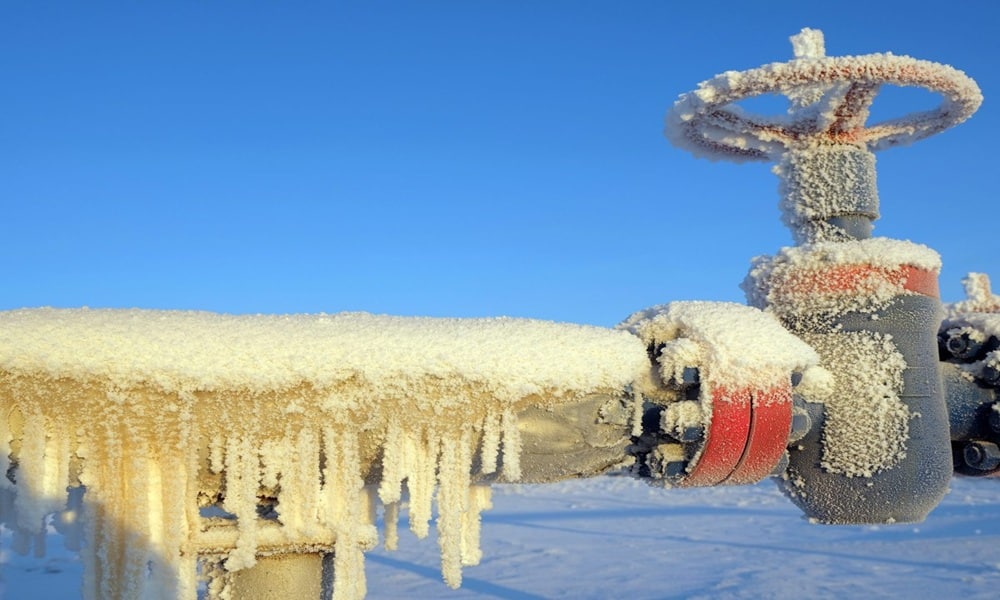
European natural gas prices moved sharply higher this week, with benchmark futures rising to around €35 per megawatt-hour, the strongest level since July 31. The rally reflects a market increasingly on edge as colder weather forecasts collide with depleted storage levels and emerging risks to global LNG supply. While prices remain well below crisis-era extremes, the latest move underscores how vulnerable Europe’s gas system remains to winter volatility.
Cold Weather Returns to Center Stage
The primary driver of the advance has been a shift in weather expectations. Forecasts now point to another sustained drop in temperatures through the end of the month, raising heating demand across much of the continent. For gas markets, colder weather translates almost immediately into higher consumption and faster withdrawals from storage.
This sensitivity is magnified by the fact that European gas inventories are already significantly lower than last winter. Storage sites are roughly 52.5% full, compared with about 65% at the same point a year ago. That thinner buffer leaves less room to absorb demand spikes, forcing prices to rise in order to balance the market.
Storage Levels Heighten Market Fragility
Since the 2022 energy crisis, storage has become the central risk-management tool for Europe’s gas market. When inventories are high, traders can discount short-term weather volatility. When they are low, every cold forecast carries greater weight.
The current storage deficit is not yet alarming, but it changes market psychology. Traders are increasingly pricing gas as a scarcity asset rather than an abundant one, especially during winter months. That dynamic helps explain why prices are reacting strongly even though there has been no major supply cut so far.
LNG Flows Add Another Layer of Risk
Compounding the weather-driven pressure is a decline in LNG export flows from the United States, the world’s largest LNG supplier and a critical pillar of Europe’s energy security. Feedgas deliveries to U.S. LNG terminals recently slipped to a two-month low following outages at key facilities in Texas.
Although the disruptions are viewed as temporary, they arrive at an awkward moment. Europe relies heavily on flexible LNG cargoes to top up supply during cold spells. Any reduction, even short-lived, tightens the balance and pushes prices higher.
Geopolitics and Global Competition Resurface
Geopolitical risks continue to hover in the background. Unrest in Iran has raised concerns about global LNG trade flows, even as fears of immediate U.S. military intervention have eased. While Iran is not a major LNG exporter to Europe, instability in the region can affect shipping routes and broader energy sentiment.
At the same time, Asia is facing its own incoming cold wave. Higher heating demand in key Asian markets could intensify competition for LNG cargoes, limiting the volumes available to Europe and reinforcing upward price pressure. In a global LNG market that is increasingly interconnected, regional weather patterns now compete directly with one another.
Prices Rise, But Context Matters
Despite the recent surge, European gas prices remain more than 26% lower than a year ago and far below the extreme highs seen in 2022, when prices briefly touched €345/MWh. This context matters. The current move reflects stress, not crisis.
Still, the pace of the rise serves as a reminder that Europe’s gas market has not fully normalized. Structural dependence on LNG, tight storage buffers, and weather sensitivity mean volatility is likely to persist through the winter.
What to Watch Next
The outlook now hinges on how long colder temperatures persist and whether LNG flows from the U.S. recover quickly. Sustained cold into February, combined with strong Asian demand, could keep prices elevated. Conversely, milder weather or a rebound in LNG supply could ease pressure just as quickly.
For policymakers, utilities, and industrial users, the message is clear: Europe’s gas market is more resilient than it was, but far from immune to winter shocks.
Comparison, examination, and analysis between investment houses
Leave your details, and an expert from our team will get back to you as soon as possible
* This article, in whole or in part, does not contain any promise of investment returns, nor does it constitute professional advice to make investments in any particular field.
To read more about the full disclaimer, click here
- Lior mor
- •
- 6 Min Read
- •
- ago 10 hours
SKN | Why Are European Natural Gas Prices Surging as Middle East LNG Supplies Disrupt Global Markets?
European natural gas prices are climbing sharply as escalating conflict in the Middle East threatens critical liquefied natural gas (LNG)
- ago 10 hours
- •
- 6 Min Read

European natural gas prices are climbing sharply as escalating conflict in the Middle East threatens critical liquefied natural gas (LNG)
- Lior mor
- •
- 6 Min Read
- •
- ago 17 hours
SKN | US Approves Temporary Sales of Russian Oil Stranded at Sea – What It Means for Global Markets
The United States announced it will permit the sale of Russian crude oil that has remained stranded at sea for
- ago 17 hours
- •
- 6 Min Read
The United States announced it will permit the sale of Russian crude oil that has remained stranded at sea for

- Ronny Mor
- •
- 6 Min Read
- •
- ago 21 hours
SKN | Why Are U.S. Gasoline Prices Surging Despite the Largest Strategic Oil Release in History?
U.S. gasoline futures have surged to their highest levels in nearly two years as escalating tensions in the Persian Gulf
- ago 21 hours
- •
- 6 Min Read
U.S. gasoline futures have surged to their highest levels in nearly two years as escalating tensions in the Persian Gulf
- Ronny Mor
- •
- 6 Min Read
- •
- ago 1 day
SKN | Why Is Gold Falling Even as the Iran War Pushes Oil Above $100?
Gold prices slipped as the surge in oil triggered by the escalating conflict with Iran strengthened the U.S. dollar and
- ago 1 day
- •
- 6 Min Read

Gold prices slipped as the surge in oil triggered by the escalating conflict with Iran strengthened the U.S. dollar and

