


- orshu
- •
- 6 Min Read
- •
- 5 months ago
Key Points
- Copper demand is accelerating as artificial intelligence, data centers, and electrification expand faster than expected.
- Global supply growth remains constrained by underinvestment, declining ore grades, and long project lead times.
- Markets are increasingly pricing a structural imbalance rather than a short-term cyclical upswing.
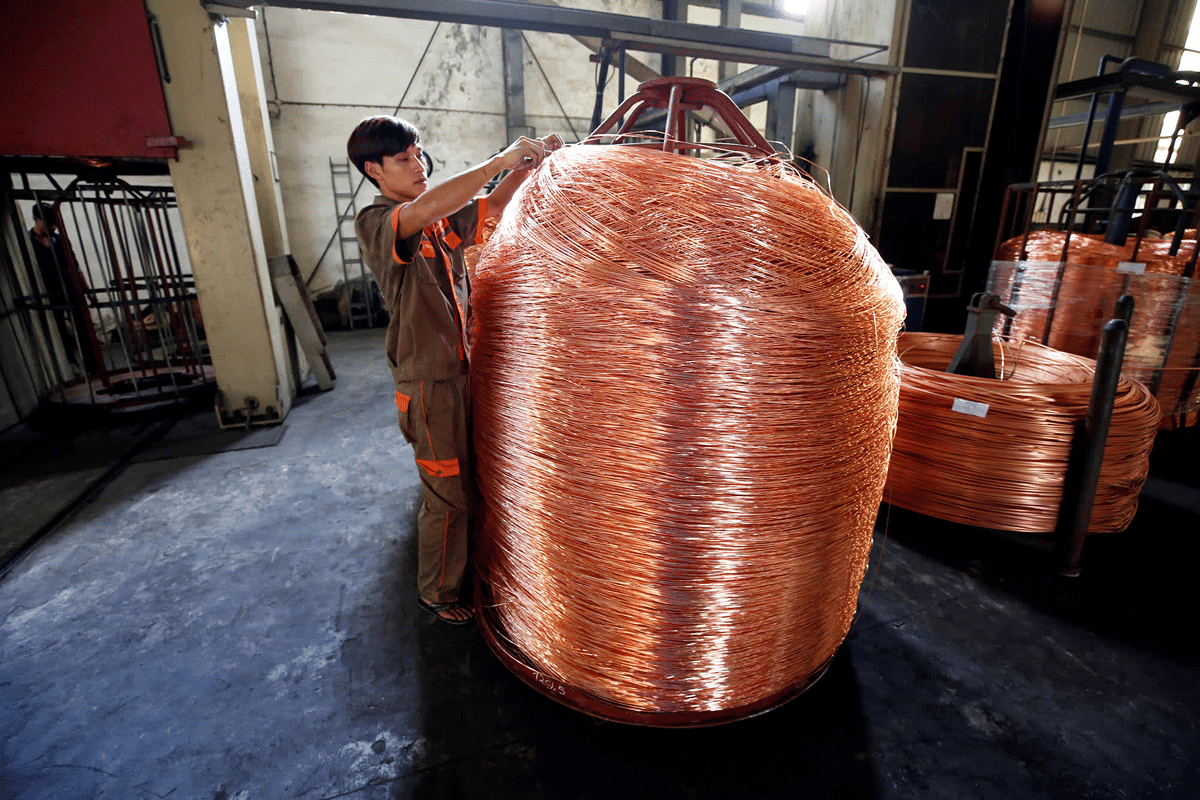
Copper is emerging as one of the most strategically important commodities of the next decade, as demand linked to artificial intelligence and electrification outpaces the industry’s ability to respond. While prices have already reflected tighter fundamentals, the longer-term outlook suggests a more persistent imbalance between supply and consumption.
AI, Data Centers, and the New Demand Curve
The rapid buildout of AI-driven data centers is reshaping copper demand dynamics. High-performance computing infrastructure requires significantly more copper for power distribution, cooling systems, and network connectivity than traditional data facilities. Estimates from industry analysts suggest that AI-focused data centers can consume up to three times more copper per megawatt than conventional installations.
Beyond AI, copper demand continues to be supported by electric vehicles, renewable energy grids, and energy storage systems. Each electric vehicle uses roughly four times as much copper as an internal combustion car, while solar and wind installations remain copper-intensive. Together, these trends are shifting copper from a cyclical industrial metal to a core input for digital and energy transformation.
Why Supply Is Struggling to Respond
On the supply side, the copper market faces structural challenges that are not easily resolved by higher prices alone. New copper projects typically require 10 to 15 years from discovery to production, and global exploration spending has lagged demand growth for much of the past decade. At the same time, existing mines are dealing with declining ore grades, which increases production costs and limits output growth.
Geopolitical risk also plays a role. A significant portion of global copper supply comes from politically sensitive regions, where regulatory uncertainty, labor disputes, and environmental constraints can disrupt production. These factors make rapid supply expansion unlikely, even as demand expectations continue to rise.
Market Reaction and Strategic Implications
Copper prices have already shown signs of reflecting a tighter long-term balance, with futures curves increasingly pointing toward sustained strength rather than a short-lived spike. Equity markets have responded accordingly, with mining stocks and copper-linked assets drawing renewed interest from investors seeking exposure to the AI and electrification themes.
For global investors, including those in Israel, copper’s trajectory has broader implications. Rising copper costs can influence infrastructure spending, renewable energy economics, and even inflation expectations, given copper’s role across multiple industries. At the same time, higher prices may eventually incentivize substitution and recycling, though these responses tend to emerge slowly.
Looking ahead, markets will be watching several key signals: the pace of AI data center construction, announcements of new mining investments, and policy developments affecting permitting and resource nationalism. Risks include a sharper-than-expected economic slowdown that tempers demand, or technological breakthroughs that reduce copper intensity. Opportunities may arise if the structural deficit deepens, reinforcing copper’s role as a strategic commodity rather than a purely cyclical trade.
Comparison, examination, and analysis between investment houses
Leave your details, and an expert from our team will get back to you as soon as possible
* This article, in whole or in part, does not contain any promise of investment returns, nor does it constitute professional advice to make investments in any particular field.
To read more about the full disclaimer, click here
- omer bar
- •
- 8 Min Read
- •
- ago 4 hours
SKN | Can Oil Markets Sustain Momentum as Geopolitical Risk in the Strait of Hormuz Intensifies?
Global oil markets rebounded as geopolitical tensions escalated following reports of US strikes on targets linked to Iranian positions near
- ago 4 hours
- •
- 8 Min Read

Global oil markets rebounded as geopolitical tensions escalated following reports of US strikes on targets linked to Iranian positions near

- sagi habasov
- •
- 8 Min Read
- •
- ago 6 hours
SKN | Will Oil Prices Escalate Further After US Strike on Iranian Military Site Triggers Market Repricing?
Global oil markets rebounded after reports that US forces conducted strikes on an Iranian military site, reigniting concerns over geopolitical
- ago 6 hours
- •
- 8 Min Read

Global oil markets rebounded after reports that US forces conducted strikes on an Iranian military site, reigniting concerns over geopolitical

- Lior mor
- •
- 7 Min Read
- •
- ago 7 hours
SKN | Are Asian Equities Losing Momentum as Gulf Tensions Prolong Global Risk Aversion?
Asian equity markets paused their recent upward momentum as prolonged geopolitical tensions in the Gulf region weighed on investor sentiment
- ago 7 hours
- •
- 7 Min Read

Asian equity markets paused their recent upward momentum as prolonged geopolitical tensions in the Gulf region weighed on investor sentiment
- omer bar
- •
- 8 Min Read
- •
- ago 16 hours
SKN | Canada Redirects Aluminium Trade Toward Europe as Iran Conflict Drives Prices Higher
Global aluminium markets are experiencing renewed volatility as escalating geopolitical tensions involving Iran fuel concerns over supply disruptions, higher
- ago 16 hours
- •
- 8 Min Read

Global aluminium markets are experiencing renewed volatility as escalating geopolitical tensions involving Iran fuel concerns over supply disruptions, higher


