


- Lior mor
- •
- 6 Min Read
- •
- 2 months ago
Key Points
- Novo Nordisk has lowered US pricing on weight-loss pills, escalating competition in the obesity treatment market.
- The move pressures rivals, insurers, and margins, reshaping reimbursement and access dynamics.
- Investors are reassessing growth durability as volume expansion increasingly trades off against pricing power.
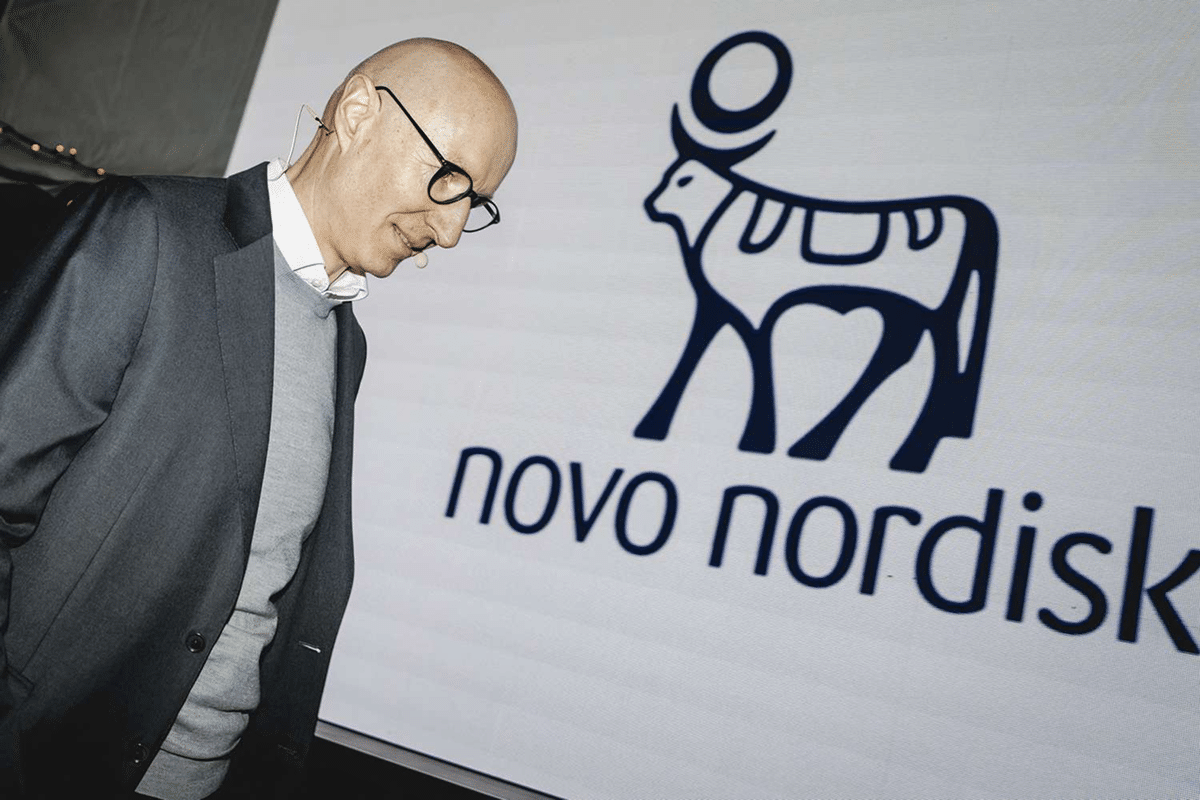
Novo Nordisk has launched an aggressive pricing strategy in the United States for its weight-loss pill portfolio, igniting what many analysts view as an early-stage price war in one of the most profitable segments of the pharmaceutical industry. The decision reflects mounting competitive pressure and growing scrutiny over drug affordability in the world’s largest healthcare market.
Pricing Emerges as the Key Competitive Lever
The US has been the primary engine of growth for obesity treatments, but it has also been the focal point of resistance from insurers and policymakers over high list prices. By cutting prices, Novo Nordisk is signaling a strategic pivot toward broader access and payer acceptance, particularly for oral therapies that could reach a wider patient population than injectables.
As the market matures, pricing is becoming as critical as clinical efficacy. Novo Nordisk’s move raises the bar for competitors, potentially forcing them to respond with discounts or alternative access programs. While this may accelerate adoption, it also introduces structural pressure on industry-wide margins.
Implications for Rivals and the US Healthcare System
The pricing reset has far-reaching implications for competing drugmakers developing or commercializing obesity treatments. Premium pricing based solely on innovation may prove harder to defend as payers gain leverage and reference new benchmarks. This could influence future R&D priorities, commercialization strategies, and partnership decisions across the sector.
For insurers and employers, lower prices may ease coverage decisions and improve patient access. However, payers may also push for additional concessions, reinforcing a competitive cycle that prioritizes scale and efficiency. Over time, obesity treatments could increasingly resemble chronic-care therapies subject to ongoing cost containment.
Market Reaction and Investor Recalibration
Market reaction has been measured, reflecting a balance between long-term demand strength and near-term profitability concerns. Investors are shifting focus toward execution factors such as manufacturing scale, supply reliability, and patient adherence rather than headline prescription growth.
For global investors, including those in Israel with exposure to healthcare equities, the development underscores a broader lesson: even in structurally attractive markets, pricing power is not guaranteed. Regulatory attention and payer dynamics can quickly reshape revenue models, even for industry leaders.
Looking ahead, attention will center on competitive responses, payer coverage decisions, and whether lower prices translate into sustainable volume growth. Key indicators include prescription trends, reimbursement expansion, and cost discipline across supply chains. The US price war marks a pivotal phase for the obesity drug market—one where access, efficiency, and scale may prove as decisive as innovation.
Comparison, examination, and analysis between investment houses
Leave your details, and an expert from our team will get back to you as soon as possible
* This article, in whole or in part, does not contain any promise of investment returns, nor does it constitute professional advice to make investments in any particular field.
To read more about the full disclaimer, click here
- sagi habasov
- •
- 7 Min Read
- •
- ago 3 hours
SKN | Penske Automotive Group Stands Out in Q4: Are Vehicle Retailer Stocks Entering a New Growth Phase?
The vehicle retail sector entered the fourth quarter under a complex set of market conditions, ranging from fluctuating consumer
- ago 3 hours
- •
- 7 Min Read

The vehicle retail sector entered the fourth quarter under a complex set of market conditions, ranging from fluctuating consumer

- orshu
- •
- 7 Min Read
- •
- ago 3 hours
SKN | Insider Move Signals Strategy Shift? Gold.com Director Benjamin Sells $1.39 Million in Company Stock
A recent insider transaction involving Gold.com director Benjamin has drawn attention from investors after regulatory filings revealed the sale
- ago 3 hours
- •
- 7 Min Read

A recent insider transaction involving Gold.com director Benjamin has drawn attention from investors after regulatory filings revealed the sale
- sagi habasov
- •
- 4 Min Read
- •
- ago 5 hours
SKN | Amazon Eyes $50 Billion Bond Offering to Fund Expansion and Debt Refinancing
Amazon is preparing to sell almost $50 billion in bonds, a move aimed at refinancing existing debt and bolstering
- ago 5 hours
- •
- 4 Min Read

Amazon is preparing to sell almost $50 billion in bonds, a move aimed at refinancing existing debt and bolstering
- orshu
- •
- 5 Min Read
- •
- ago 5 hours
SKN | Gold Advances as Dollar Weakness Revives Bullion Demand Amid Rate Uncertainty
Gold prices edged higher as weakness in the U.S. dollar improved the appeal of bullion for global investors. The
- ago 5 hours
- •
- 5 Min Read

Gold prices edged higher as weakness in the U.S. dollar improved the appeal of bullion for global investors. The

