


- Lior mor
- •
- 7 Min Read
- •
- 1 month ago
Key Points
- Hainan is now the world’s largest free trade port, operating as a separate customs zone.
- The two-line system combines global openness with domestic market protection.
- China is using Hainan to counter global protectionism and anchor long-term trade influence.
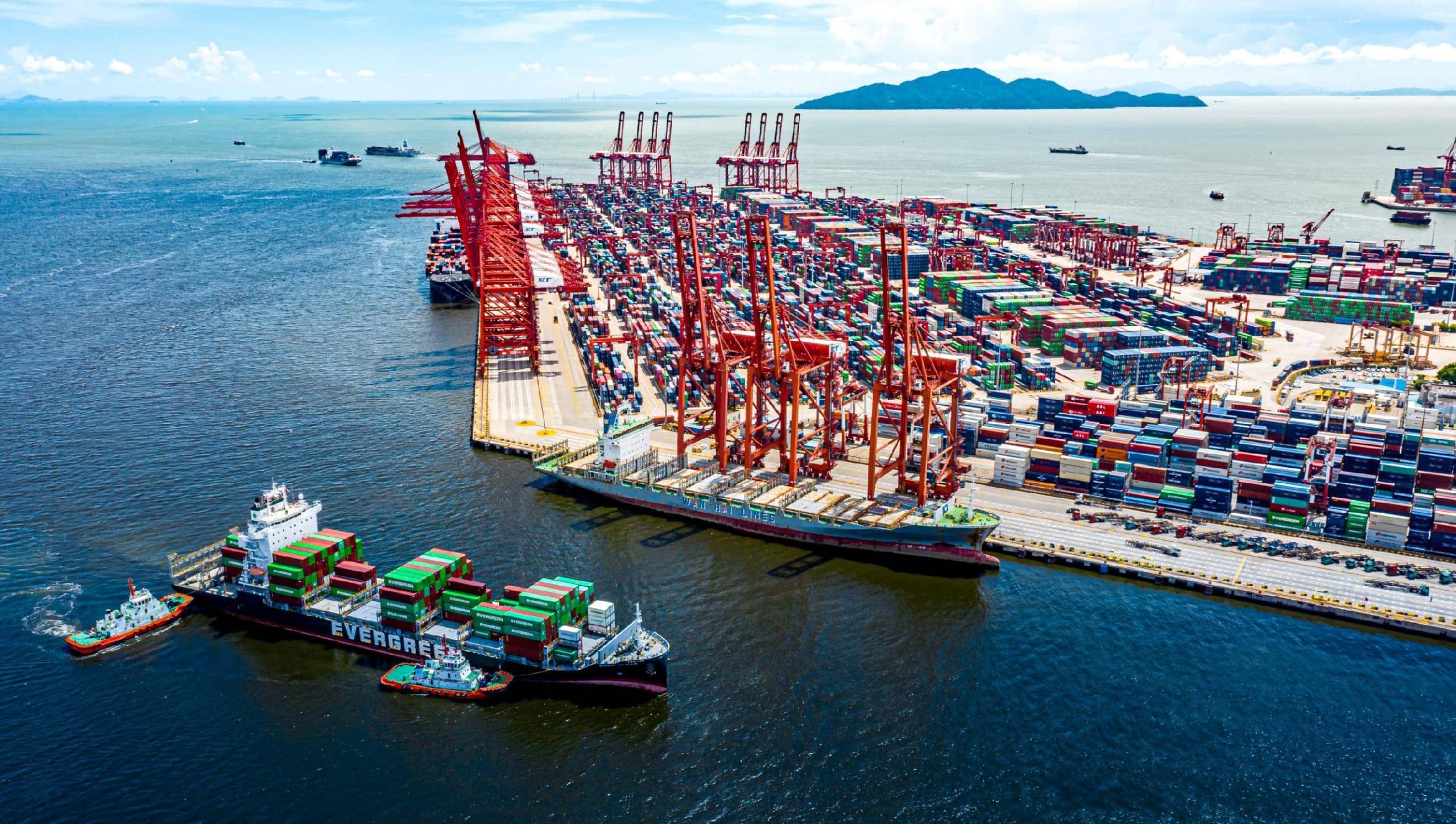
China has taken a decisive step to reshape its role in global trade by transforming Hainan into a fully fledged, independent customs zone. As of December 2025, new laws have come into force that separate the southern island province from China’s mainland customs system, creating what is now effectively the world’s largest free trade port. The move stands in stark contrast to tightening trade regimes elsewhere and reflects Beijing’s ambition to offer predictability, openness, and scale at a time of mounting global economic uncertainty.
A Free Trade Port on a Continental Scale
Spanning more than 35,000 square kilometers, Hainan is larger than Belgium and roughly fifty times the size of Singapore. Chinese policymakers are attempting something unprecedented: replicating the advantages of elite global trade hubs while embedding them within a socialist market economy. According to state media, the introduction of “special customs operations” marks a structural overhaul rather than a marginal policy experiment, redefining how the province interacts with international markets.
This strategy draws on a long-established playbook. Since the late 1970s, China has used special economic zones to pilot market-oriented reforms in contained environments. Hainan represents the most ambitious evolution of that model to date, reflecting a 2020 blueprint by the Chinese Communist Party to elevate the province into a peer of Hong Kong, Singapore, and Dubai.
The Two-Line Customs System Explained
At the heart of the reform is a “two-line” customs framework. The first line separates Hainan from the rest of the world, where most tariffs and trade barriers have been eliminated. A wide range of goods — from raw materials to consumer products — can now enter the province duty-free. The second line, between Hainan and mainland China, preserves traditional customs controls, ensuring that national market protections remain intact.
This structure creates powerful incentives for value-added manufacturing. Products that achieve at least 30% value creation within Hainan can enter the mainland tariff-free. The policy encourages firms to locate processing and assembly activities on the island rather than using it merely as a logistics waypoint, embedding production deeper into the local economy.
Regulation, Tax, and Strategic Access
Beyond customs, Hainan’s appeal lies in its broader regulatory divergence. The province applies a flat corporate tax rate of 15%, undercutting rates in mainland China and even competing with financial hubs such as Hong Kong and Singapore. It also allows regulatory flexibility in sectors ranging from pharmaceuticals to digital services, permitting products approved abroad to be used locally even if they remain restricted elsewhere in China.
Perhaps most striking is the controlled relaxation of internet and capital restrictions. Qualified firms can apply for wider internet access beyond the so-called Great Firewall, while foreign companies may open accounts free from mainland foreign-exchange controls. Visa-free entry has been expanded to 86 countries, reinforcing Hainan’s ambition to function as China’s most globally integrated gateway.
A Calculated Bet in a Fragmenting World
Hainan’s transformation signals Beijing’s confidence that openness, when tightly managed, remains a competitive advantage. As trade blocs harden and supply chains fragment, China is betting that a low-tariff, high-access province can attract capital, talent, and commerce seeking stability and scale. Whether Hainan ultimately rivals established global hubs will depend on execution and trust, but the strategic intent is clear: China is building a pressure valve for globalization rather than retreating from it.
Comparison, examination, and analysis between investment houses
Leave your details, and an expert from our team will get back to you as soon as possible
* This article, in whole or in part, does not contain any promise of investment returns, nor does it constitute professional advice to make investments in any particular field.
To read more about the full disclaimer, click here
- sagi habasov
- •
- 5 Min Read
- •
- ago 1 month
SKN | Global Market Outlook 2026: Goldman Sachs Sees Double-Digit Equity Returns
Macro View: Cautious Optimism for 2026 Goldman Sachs’ 2026 outlook reflects measured optimism toward global equity markets. According to the
- ago 1 month
- •
- 5 Min Read

Macro View: Cautious Optimism for 2026 Goldman Sachs’ 2026 outlook reflects measured optimism toward global equity markets. According to the
- sagi habasov
- •
- 7 Min Read
- •
- ago 1 month
The Elephant Overtakes the Dragon: India Eclipses China in Tech Exports to the U.S.
The chart released this morning by the U.S. Department of Commerce is nothing short of a geopolitical earthquake disguised as
- ago 1 month
- •
- 7 Min Read
The chart released this morning by the U.S. Department of Commerce is nothing short of a geopolitical earthquake disguised as

- Ronny Mor
- •
- 7 Min Read
- •
- ago 1 month
SKN | Can China’s Hainan Experiment Redefine Global Trade in an Age of Protectionism?
As protectionist policies spread across major economies, China is moving decisively in the opposite direction. In December 2025, new laws
- ago 1 month
- •
- 7 Min Read

As protectionist policies spread across major economies, China is moving decisively in the opposite direction. In December 2025, new laws

- Lior mor
- •
- 6 Min Read
- •
- ago 2 months
SKN | Strategists Turn Uniformly Bullish on Europe — But History Flashes a Warning
For the first time in nearly a decade, not a single major strategist expects European equities to fall in 2026
- ago 2 months
- •
- 6 Min Read

For the first time in nearly a decade, not a single major strategist expects European equities to fall in 2026

