


- omer bar
- •
- 7 Min Read
- •
- 1 hour ago
Key Points
- The EUR/ILS exchange rate settled at 3.7464 in late December trading, reflecting a marginal weekly gain of 0.33% as the euro regained ground against the shekel.
- While the European Central Bank (ECB) maintained interest rates at 2.00% in its final 2025 meeting, the Bank of Israel recently delivered its first rate cut in nearly two years, lowering the benchmark to 4.25%.
- Despite the year-end volatility, the shekel remains resilient, gaining approximately 12% against the US dollar in 2025, supported by record tech exports and a stabilization in Israel's risk premium.
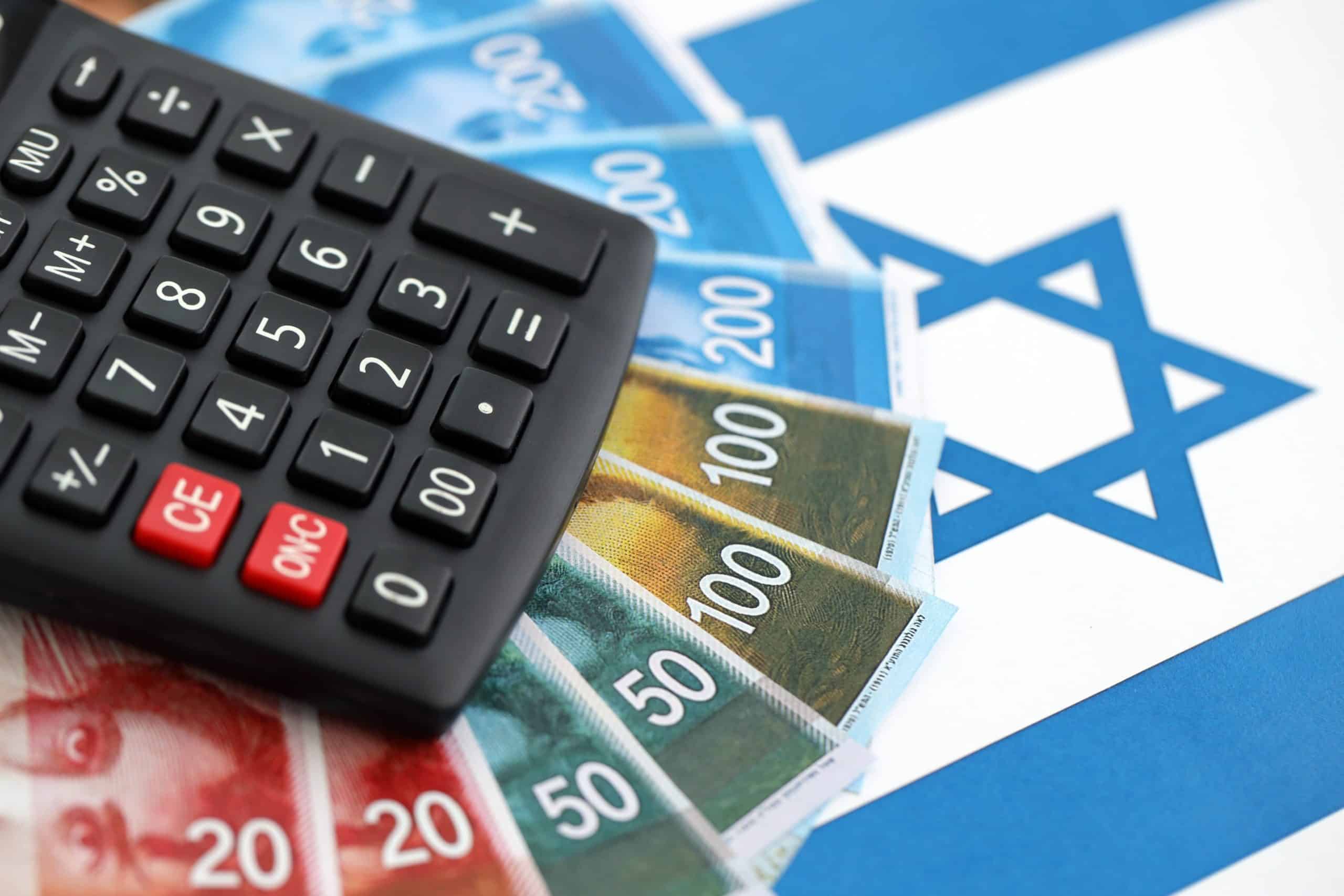
The EUR/ILS currency pair concluded the final trading week of 2025 in a period of consolidation, as investors balanced monetary policy divergence against shifting geopolitical risks. While the European Central Bank has signaled a pause in its rate-cutting cycle to combat stubborn services inflation, the Bank of Israel has pivoted toward easing to support domestic activity. This dynamic has created a neutral-to-bullish environment for the euro in the short term, though the fundamental strength of the Israeli economy continues to provide a formidable floor for the shekel.
Central Bank Divergence: ECB Pause vs. BoI Pivot
A primary driver for the pair this week was the fallout from the ECB’s December 18 decision to keep its deposit rate steady at 2.00%. President Christine Lagarde emphasized a data-dependent approach, revising 2026 inflation forecasts upward to 1.9%, which cooled market expectations for aggressive easing in early 2026. Conversely, the Bank of Israel (BoI) surprised markets on November 24 by cutting its rate to 4.25%, citing a “moderation in annual inflation” to 2.5% and a sharp 12.4% annualized rebound in Q3 GDP. This divergence initially favored a stronger euro, as the yield gap between the two currencies began to narrow for the first time in over a year.
Macroeconomic Resilience and the Tech Engine
Beyond interest rates, the shekel’s performance is increasingly decoupled from traditional safe-haven flows and more closely linked to high-tech sector liquidity. In 2025, Israel’s tech workforce, while becoming more selective, secured significant global funding rounds, contributing to a 14% strengthening of the shekel since October 2024. Simultaneously, S&P Global Ratings revised Israel’s outlook to “stable” in late 2025, noting that the domestic equity indices have performed prominently well relative to global benchmarks. This structural capital inflow acts as a persistent headwind for EUR/ILS rallies, often capping gains near the 3.80 psychological resistance level.
Global Geopolitics and Trade Implications
The broader Capital market remains sensitive to the Eurozone’s growth projections, which were recently revised upward to 1.4% for 2025. However, ECB staff warned that “ongoing global trade disputes” and geopolitical tensions remain significant drags on euro area exports. For Israeli exporters to Europe, the current exchange rate provides a competitive advantage, though the potential for a stronger shekel in 2026—if the BoI returns to a hawkish stance to defend the 3% inflation target—remains a concern for manufacturers. The real activity in Israel continues to recover at a moderate pace, but supply constraints in construction and labor remain inflationary risks that the BoI must navigate.
Looking ahead, the outlook for the EUR/ILS pair in the first quarter of 2026 will be dictated by the January 5 interest rate decision in Jerusalem. If the Bank of Israel maintains its current path toward a 3.75% terminal rate by late 2026, the euro could see a sustained bullish bias toward the 3.82 level. Key risks to monitor include any sudden escalation in regional geopolitical uncertainty, which could trigger a “flight to quality” into the euro, or a faster-than-expected decline in Eurozone services inflation that might force the ECB back into a rate-cutting cycle. Investors should watch the 3.7447 support level; holding this mark into the new year will be vital for Euro-denominated bulls to maintain control of the trend.
Comparison, examination, and analysis between investment houses
Leave your details, and an expert from our team will get back to you as soon as possible
* This article, in whole or in part, does not contain any promise of investment returns, nor does it constitute professional advice to make investments in any particular field.
To read more about the full disclaimer, click here
- Lior mor
- •
- 7 Min Read
- •
- ago 1 minute
SKN | Can the USD/GBP Pair Stabilize as the Bank of England Pivots Toward a Neutral Rate Cycle?
The USD/GBP currency pair entered the festive period in a state of consolidation, reflecting a complex monetary policy divergence
- ago 1 minute
- •
- 7 Min Read

The USD/GBP currency pair entered the festive period in a state of consolidation, reflecting a complex monetary policy divergence

- orshu
- •
- 6 Min Read
- •
- ago 2 hours
SKN | Can Crude Oil Defy Oversupply Fears Amid Fragile Peace Hopes and Strategic Shifts?
The WTI Crude Oil market concluded the final full trading week of 2025 in a defensive posture, as thin
- ago 2 hours
- •
- 6 Min Read

The WTI Crude Oil market concluded the final full trading week of 2025 in a defensive posture, as thin

- sagi habasov
- •
- 6 Min Read
- •
- ago 2 hours
SKN | Can Gold Sustain its Historic Surge as Prices Shatter the $4,500 Psychological Barrier?
The Gold market concluded the final full trading week of 2025 by shattering historic milestones, with the February 2026
- ago 2 hours
- •
- 6 Min Read

The Gold market concluded the final full trading week of 2025 by shattering historic milestones, with the February 2026

- Ronny Mor
- •
- 6 Min Read
- •
- ago 3 hours
SKN | Can Copper Maintain Its “Dr. Copper” Reputation as 2026 Demand Surges?
The copper market concluded the final full trading week of 2025 with an exceptional bullish breakout, solidifying its role
- ago 3 hours
- •
- 6 Min Read

The copper market concluded the final full trading week of 2025 with an exceptional bullish breakout, solidifying its role

