


- sagi habasov
- •
- 7 Min Read
- •
- 2 months ago
Key Points
- The average 30-year fixed mortgage rate edged down to 6.18%, signaling gradual easing.
- Small rate moves carry outsized importance amid ongoing affordability pressures.
- Expectations for future monetary policy will remain the primary driver into 2026.
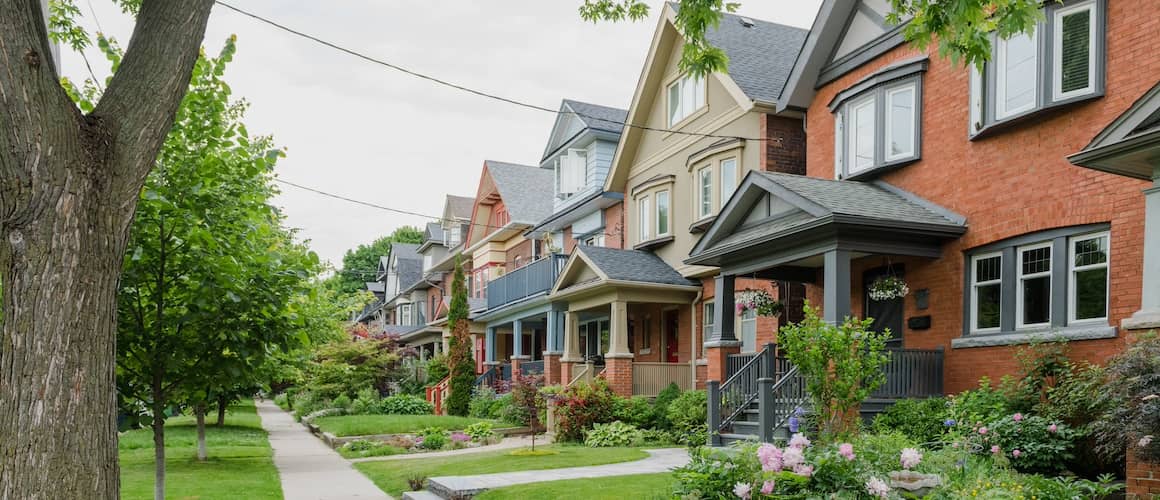
As the U.S. housing market heads into the final days of 2025, mortgage rates continue to edge lower, offering tentative relief to buyers and homeowners after a prolonged period of tight financial conditions. According to Freddie Mac, the average 30-year fixed mortgage rate slipped by three basis points this week to 6.18%, while the 15-year fixed rate edged higher to 5.50%. These marginal moves may appear modest, but in a market shaped by affordability constraints and cautious consumer behavior, even small shifts are closely watched by investors, lenders, and households alike.
The gradual drift in rates reflects a broader recalibration underway across U.S. financial markets. With inflation pressures easing and expectations building for a more accommodative Federal Reserve stance in 2026, mortgage pricing is beginning to respond—albeit slowly. For aspiring homebuyers who have spent much of the year on the sidelines, the latest data reinforces a sense that conditions are stabilizing, even if a full-fledged rebound remains elusive.
Mortgage Rates and the Cost of Borrowing
Mortgage interest rates represent the price borrowers pay for access to long-term capital, and their structure plays a critical role in household financial planning. Fixed-rate mortgages, particularly the 30-year loan, remain the dominant choice in the U.S. due to their predictable payments and lower monthly burden. However, that predictability comes at the cost of higher cumulative interest over time. Shorter-term options such as the 15-year fixed loan offer lower rates and faster equity accumulation, but require significantly higher monthly payments, limiting their appeal to higher-income or more conservative borrowers.
Adjustable-rate mortgages, meanwhile, continue to occupy a niche role. While initial rates can be attractive, the uncertainty surrounding future resets keeps many buyers cautious, especially in an environment where rate volatility has become a defining feature of the post-pandemic era.
What’s Driving Mortgage Rates Now
Mortgage rates are shaped by a mix of controllable and uncontrollable forces. On the borrower side, credit scores, debt-to-income ratios, and down payment size remain decisive in determining the final rate offered by lenders. For households able to improve their financial profiles, even today’s environment can yield relatively favorable terms.
Beyond individual control, macroeconomic conditions dominate. Employment trends, inflation dynamics, and broader economic momentum influence bond markets, which in turn set the baseline for mortgage pricing. As economic growth moderates, rates tend to ease to encourage borrowing. Conversely, periods of strong expansion typically push rates higher to temper demand. Importantly, refinance rates usually remain slightly above purchase rates, reflecting additional lender risk and transaction complexity.
Affordability Versus Long-Term Cost
The choice between a 30-year and 15-year mortgage highlights a central tension in today’s housing market: monthly affordability versus long-term financial efficiency. Thirty-year loans keep payments manageable but lock borrowers into decades of interest expense. Fifteen-year loans reduce total interest dramatically but strain near-term cash flow. In an environment where household budgets are already under pressure, this trade-off has become more pronounced.
Looking Ahead
The slow drift in mortgage rates suggests neither a sharp reversal nor renewed tightening, but rather a transition phase. If rate cuts materialize in 2026, borrowing costs could ease further, potentially unlocking pent-up demand. However, affordability challenges, housing supply constraints, and refinancing economics will continue to shape outcomes. For now, the mortgage market is signaling cautious optimism rather than a decisive shift—inviting borrowers to stay alert, flexible, and strategic as conditions evolve.
Comparison, examination, and analysis between investment houses
Leave your details, and an expert from our team will get back to you as soon as possible
* This article, in whole or in part, does not contain any promise of investment returns, nor does it constitute professional advice to make investments in any particular field.
To read more about the full disclaimer, click here
- omer bar
- •
- 7 Min Read
- •
- ago 1 month
SKN | Can D.R. Horton’s New Huntersville Community Capture Demand in Greater Charlotte’s Competitive Housing Market?
D.R. Horton is expanding its footprint in the Greater Charlotte area with the grand opening of Oak Grove Hill, a
- ago 1 month
- •
- 7 Min Read

D.R. Horton is expanding its footprint in the Greater Charlotte area with the grand opening of Oak Grove Hill, a

- Lior mor
- •
- 6 Min Read
- •
- ago 2 months
SKN | Can the U.S. Housing Crisis Be Fixed Without More Homes? Fed Officials Shift Focus to Supply
Two senior Federal Reserve officials have signaled a notable shift in the housing debate, emphasizing that the core challenge
- ago 2 months
- •
- 6 Min Read

Two senior Federal Reserve officials have signaled a notable shift in the housing debate, emphasizing that the core challenge

- Ronny Mor
- •
- 7 Min Read
- •
- ago 2 months
SKN | Why Have U.S. Mortgage Rates Fallen to Their Lowest Level Since 2024—and What Does It Mean for 2026?
U.S. mortgage rates have retreated to their lowest levels in roughly 15 months, offering tentative relief to a housing market
- ago 2 months
- •
- 7 Min Read

U.S. mortgage rates have retreated to their lowest levels in roughly 15 months, offering tentative relief to a housing market
- Ronny Mor
- •
- 7 Min Read
- •
- ago 2 months
SKN | Will Your Home’s Value Rise in 2026, or Is the Housing Market Entering a New Phase?
Will your home be worth more next year? For many homeowners, the outlook for 2026 appears cautiously constructive but far
- ago 2 months
- •
- 7 Min Read

Will your home be worth more next year? For many homeowners, the outlook for 2026 appears cautiously constructive but far

