


- Ronny Mor
- •
- 6 Min Read
- •
- 2 months ago
Key Points
- A local software startup has deployed Singapore’s first quantum computer for commercial applications, marking a technological milestone in Southeast Asia.
- The system aims to enhance computational capacity for industries such as finance, logistics, and pharmaceuticals, offering performance beyond classical computing.
- The initiative underscores Singapore’s strategic push into advanced technology and quantum innovation, positioning the city-state as a regional hub for high-performance computing.
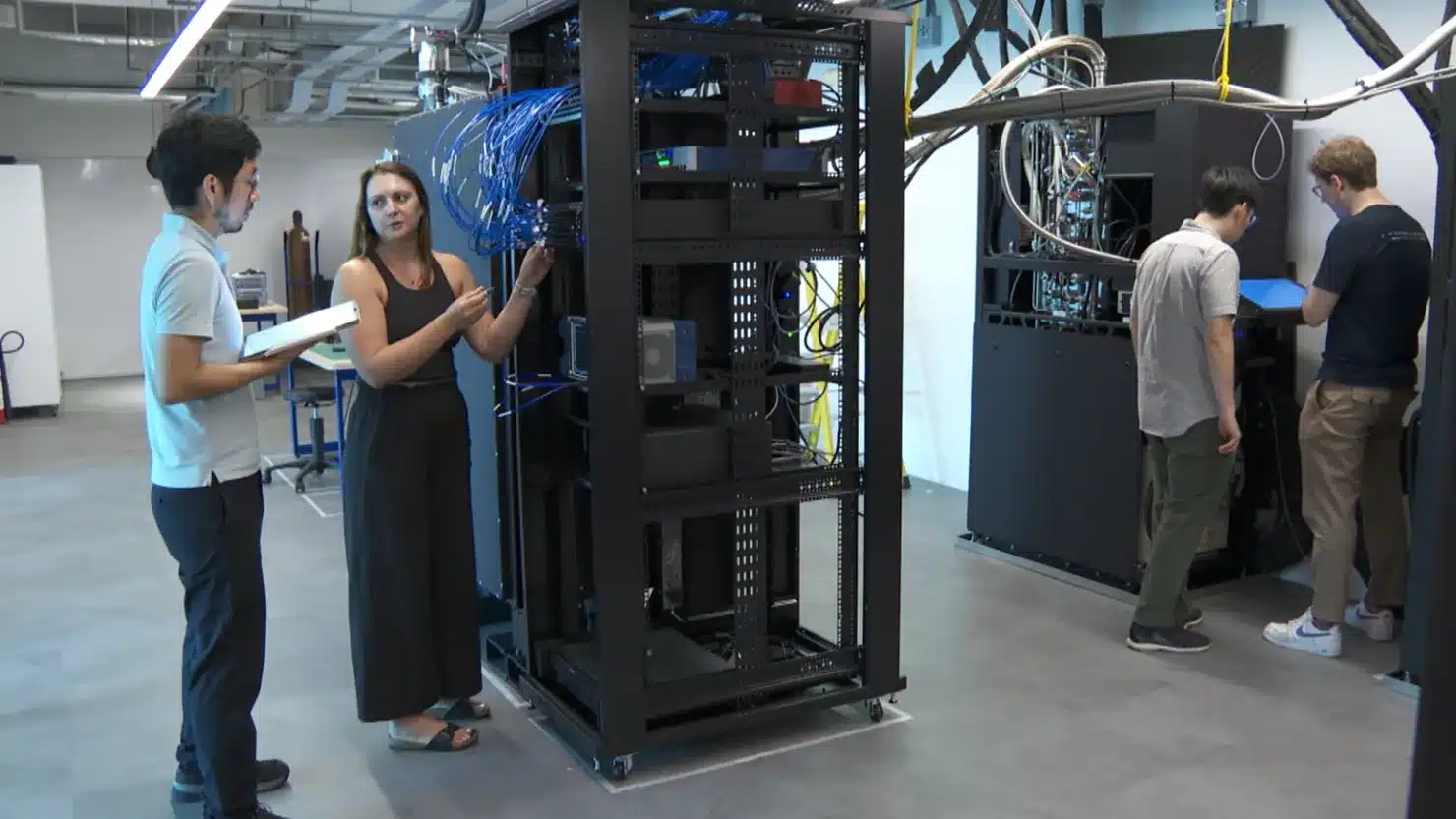
A Singapore-based software startup has announced the deployment of the country’s first commercially available quantum computer, providing companies access to cutting-edge computational power. The launch coincides with growing global interest in quantum technologies, as governments and corporations seek solutions for complex optimization, simulation, and cryptographic tasks. For investors and technology stakeholders, this development highlights Singapore’s commitment to establishing itself as a leading hub for quantum innovation in Asia.
Quantum Computing Applications and Market Potential
The newly deployed system leverages superconducting qubits to perform calculations at speeds unattainable by traditional computers, particularly for tasks involving optimization, machine learning, and materials simulation. Early adoption targets sectors such as financial modeling, supply chain logistics, and pharmaceutical research, where even marginal improvements in computational efficiency can translate into significant cost savings and strategic advantage. Analysts note that the commercial quantum computing market, projected to reach $1.8 billion globally by 2026, is still in its nascent stages but could experience exponential growth as adoption barriers decline. The startup’s offering provides businesses with a cloud-based interface, enabling clients to run quantum algorithms without the need for onsite quantum hardware expertise.
Strategic Implications for Singapore and Regional Tech Development
Singapore’s government has prioritized quantum research and advanced computing as part of its Smart Nation initiative, aiming to foster innovation, attract investment, and develop talent pipelines in high-tech fields. By hosting the first commercial quantum computer, the startup positions itself at the intersection of public policy support and emerging enterprise demand. Regional competitors, including Hong Kong and Japan, are investing in similar capabilities, making early commercial deployment a key differentiator in attracting multinational clients and research partnerships. The move also signals to global investors that Southeast Asia is actively nurturing high-performance computing infrastructure capable of supporting industrial-scale applications.
Challenges, Adoption Barriers, and Investor Considerations
Despite the breakthrough, widespread quantum adoption remains constrained by high costs, technical complexity, and a limited pool of trained quantum engineers. Industries must evaluate whether the projected efficiency gains justify investment in quantum-ready workflows and algorithm development. Moreover, integration with existing IT infrastructure and cybersecurity considerations, particularly around quantum-resistant encryption, remain critical factors. Investors monitoring the sector will weigh the startup’s technological edge against market readiness and the pace of competitor deployments across the Asia-Pacific region.
Looking forward, the commercial deployment of Singapore’s first quantum computer could serve as a catalyst for broader adoption of quantum technologies in Southeast Asia. Key indicators to monitor include enterprise uptake, government partnerships, development of industry-specific quantum applications, and regional competitive dynamics. As global demand for advanced computational capabilities grows, the initiative could strengthen Singapore’s position as a technological leader while shaping investor sentiment toward quantum-focused ventures in the region.
Comparison, examination, and analysis between investment houses
Leave your details, and an expert from our team will get back to you as soon as possible
* This article, in whole or in part, does not contain any promise of investment returns, nor does it constitute professional advice to make investments in any particular field.
To read more about the full disclaimer, click here
- Lior mor
- •
- 6 Min Read
- •
- ago 2 hours
SKN | OpenAI’s Revenue Run Rate Tops $20 Billion: A Turning Point for the AI Business Model?
OpenAI has crossed a symbolic and financial threshold, with its chief financial officer confirming that annualized revenue exceeded $20
- ago 2 hours
- •
- 6 Min Read

OpenAI has crossed a symbolic and financial threshold, with its chief financial officer confirming that annualized revenue exceeded $20

- Ronny Mor
- •
- 6 Min Read
- •
- ago 2 hours
SKN | Is Andreessen Horowitz’s $3 Billion AI Bet a Signal That the Bubble Narrative Is Premature?
Andreessen Horowitz’s latest multibillion-dollar commitment to artificial intelligence is landing at a moment when markets are increasingly questioning whether
- ago 2 hours
- •
- 6 Min Read

Andreessen Horowitz’s latest multibillion-dollar commitment to artificial intelligence is landing at a moment when markets are increasingly questioning whether
- Lior mor
- •
- 7 Min Read
- •
- ago 7 hours
SKN | Is China’s AI Boom Repricing Private Startups as Moonshot AI Jumps to a $4.8 Billion Valuation?
Investor enthusiasm for Chinese artificial intelligence companies is accelerating once again, with private valuations rising sharply in response to public-market
- ago 7 hours
- •
- 7 Min Read

Investor enthusiasm for Chinese artificial intelligence companies is accelerating once again, with private valuations rising sharply in response to public-market

- sagi habasov
- •
- 8 Min Read
- •
- ago 1 day
SKN | Is Sequoia Breaking the Rules of Venture Capital by Backing AI Rivals?
Sequoia Capital’s reported decision to invest in Anthropic marks a striking departure from one of Silicon Valley’s most deeply held
- ago 1 day
- •
- 8 Min Read

Sequoia Capital’s reported decision to invest in Anthropic marks a striking departure from one of Silicon Valley’s most deeply held

