


- Ronny Mor
- •
- 19 Min Read
- •
- 6 months ago
Key Points
- Rising expectations of Federal Reserve rate cuts are supporting higher gold prices as investors seek a safe haven.
- Copper is benefitting from hopes of cheaper borrowing and potential industrial demand growth, though its reaction depends on the outlook for economic recovery.
- Investors should monitor economic indicators, geopolitical events, and supply dynamics to navigate gold and copper volatility.
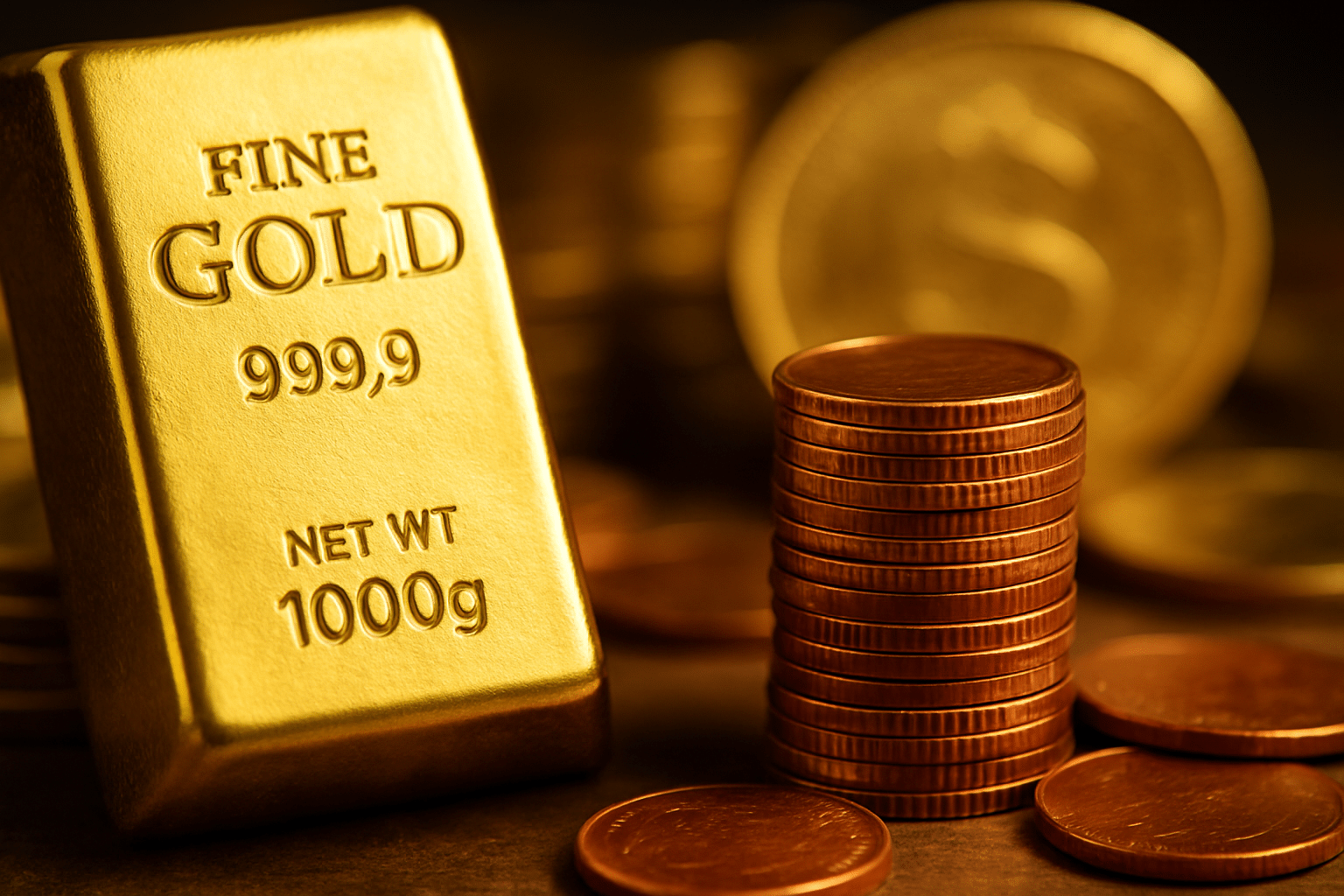
The Impact of Federal Interest Rate Cuts on Gold and Copper Markets
As economic conditions fluctuate, the gold and copper markets often react in response to changes in federal interest rates. Recently, hopes for cuts in these rates have become a focal point for investors. Understanding how these cuts influence the gold and copper markets is essential for anyone interested in commodities trading or investment strategies.
Gold is traditionally seen as a safe haven asset. When interest rates decline, the opportunity cost of holding gold decreases. This is because gold does not yield interest or dividends. Lower interest rates can lead to a weaker dollar, making gold cheaper for investors using other currencies. Consequently, more investors flock to gold, pushing its prices higher. Conversely, when rates are high, investors tend to favor interest-bearing assets over non-yielding ones like gold.
In the current economic climate, expectations for a federal interest rate cut are rising. Analysts believe that the Federal Reserve may lower rates to stimulate economic growth and combat potential inflation. As these hopes grow, the price of gold has advanced significantly. Here are some of the ways rate cuts influence gold prices:
-
Increased Demand: When interest rates drop, more people are likely to buy gold as a hedge against economic uncertainty. This increased demand can lead to a rise in gold prices.
-
Dollar Weakness: Lower rates tend to weaken the dollar, making gold more attractive. Investors worldwide seek to hold gold as it becomes relatively cheaper.
-
Inflation Hedge: Rate cuts can fuel inflation, leading investors to turn to gold, which is often seen as a hedge against rising prices.
On the other hand, copper serves as an industrial metal with a different set of dynamics. The relationship between interest rates and copper prices is significant but more complex. When federal interest rates are cut, borrowing becomes cheaper. This situation often results in increased capital spending and economic expansion, especially in heavy industries that rely on copper for manufacturing.
As businesses ramp up production and construction projects, the demand for copper rises. This boost can lead to higher copper prices. However, if investors anticipate that rate cuts will not stimulate a robust economic recovery, they might sell off copper, fearing reduced demand. Key factors influencing the copper market due to interest rate changes include:
-
Economic Growth: Rate cuts can lead to increased lending and capital expenditure, driving copper demand higher.
-
Global Supply and Demand: Any fluctuations in global demand for copper, especially from major economies like China, may also impact prices.
-
Investor Sentiment: Market perceptions of interest rate cuts can sway investor strategies, leading to volatility in copper prices.
While both gold and copper can react positively to rate cuts, the extent of their reactions may vary depending on broader market conditions. For instance, if global economic growth is uncertain, investors might prefer gold over copper due to its safe-haven status. Conversely, if there are indications of robust economic recovery, copper could experience significant gains as industries ramp up production.
Additionally, geopolitical factors also play a role in how these commodities react to interest rate cuts. For instance, if trade tensions or conflicts arise, gold often sees a spike in demand due to its reputation for stability. In contrast, copper might face downward pressure if investors fear that economic growth will be stifled by these external factors.
Investors should closely monitor economic indicators, including job reports and inflation levels, as they provide insights into potential interest rate changes. The interplay between federal interest rates, economic growth forecasts, and global market conditions creates a dynamic environment for both gold and copper. Understanding this relationship is crucial for making informed investment decisions.
The anticipated federal interest rate cuts have sparked significant interest in both the gold and copper markets. As investors look to capitalize on potential price movements, keeping an eye on economic indicators and market sentiment is vital. By doing so, you can better navigate the complexities of these commodities in light of monetary policy changes.
Strategies for Investing in Precious and Base Metals Amid Economic Shifts
Understanding the Market for Precious and Base Metals
Investing in precious and base metals can be a rewarding venture, especially during times of economic shifts. As the global market fluctuates, the demand for metals like gold, silver, copper, and platinum can change significantly. These metals often serve as a hedge against inflation and economic uncertainty, making them appealing to investors. By understanding the dynamics of the market, you can make informed decisions and maximize your investment potential.
Focus on Gold as a Safe Haven
Historically, gold has been perceived as a safe haven for investors. When the economy faces turmoil or inflation rates rise, gold prices often increase. To benefit from this trend, consider the following strategies:
-
Diversification: Adding gold to your investment portfolio can provide balance. It often behaves differently than stocks and bonds, especially during market downturns.
-
Investing in ETFs: Gold exchange-traded funds (ETFs) allow you to invest in gold without owning physical bars. They can be a more straightforward investment than purchasing physical gold.
-
Regular Investment: Consider dollar-cost averaging by investing a fixed amount in gold regularly. This approach reduces the impact of volatility over time.
The Role of Silver in Industrial Demand
While gold is prized for its stability, silver has unique attributes that make it valuable in various industries. The demand for silver often correlates with economic growth, as it is used in electronics, solar panels, and medical devices. Here are some ways to navigate silver investments:
-
Take Advantage of Price Fluctuations: Since silver is more volatile than gold, monitor the market closely. Buying during dips can lead to significant gains.
-
Explore Silver Mining Stocks: Investing in companies that mine silver can provide additional exposure while taking advantage of potential operational efficiencies and market trends.
Investing in Base Metals: Focus on Copper
Copper, a major base metal, is essential for many industries, especially construction and electronics. Understanding its economic outlook can help you invest wisely. Keep these points in mind:
-
Monitor Construction Trends: As new construction projects rise, so does the demand for copper. Being aware of real estate trends can help you predict price movements.
-
Global Supply Chain Dynamics: Changes in production policies in major copper-producing countries like Chile and Peru can significantly affect prices. Stay informed about geopolitical developments that may impact supply.
Utilizing Technical and Fundamental Analysis
Regardless of the metals you choose to invest in, both technical and fundamental analysis are crucial. Technical analysis involves studying price charts and patterns to predict future movements, while fundamental analysis focuses on underlying factors affecting metal prices, such as economic indicators, interest rates, and production levels.
Here are some tips for incorporating both strategies:
-
Set Alerts: Use trading platforms to set alerts for price changes in your chosen metals. This can help you act quickly on investment opportunities.
-
Follow Economic Indicators: Keep up with important reports like employment figures, inflation rates, and manufacturing output, as they can influence metal prices significantly.
Stay Informed About Regulatory Changes
Government regulations can also impact the metals market. Changes in tariffs, environmental policies, and mining regulations can create new opportunities or challenges for investors. Regularly review news from credible sources to stay updated on these issues.
Building a Long-Term Strategy
Investing in precious and base metals should be viewed as a long-term strategy rather than a quick profit scheme. By staying patient and informed about market conditions, you can navigate shifts more effectively. Consider allocating a percentage of your investment portfolio to metals, ensuring it aligns with your overall financial goals.
Adapting your investment strategies for precious and base metals in response to economic shifts can provide you with substantial opportunities. By focusing on gold, silver, and copper, along with thorough market analysis and awareness of regulatory environments, you can enhance your investment outcomes.
Conclusion
As the potential for Federal interest rate cuts looms, both gold and copper markets are experiencing notable shifts. Lower interest rates often lead to increased demand for precious metals like gold, which investors typically flock to as a safe haven during uncertain economic times. Gold’s allure lies in its ability to retain value, making it a top choice when fears about inflation or economic downturns arise. Conversely, copper’s value rises with increased industrial activity, often seen as a barometer for economic health.
For savvy investors looking to navigate these complex markets, understanding the interplay between Federal interest policies and metal prices is crucial. Diversifying investments can provide a shield against volatility, allowing you to balance the relative strengths of both precious and base metals. Keep an eye on manufacturing data, infrastructure spending, and overall economic indicators, as these will guide your decisions on when to invest in copper.
Recognizing when to enter or exit these markets requires strategic foresight, especially as interest rate cuts may signal broader economic changes. By staying informed and maintaining a well-rounded investment approach, you can effectively position yourself to benefit from the movements in gold and copper prices. Ultimately, aligning your investment strategy with macroeconomic trends can maximize your potential for returns while minimizing risks during uncertain times. A thoughtful approach to investing in these metals not only allows you to respond to immediate economic shifts but also sets a strong foundation for long-term wealth building.
Comparison, examination, and analysis between investment houses
Leave your details, and an expert from our team will get back to you as soon as possible
* This article, in whole or in part, does not contain any promise of investment returns, nor does it constitute professional advice to make investments in any particular field.
To read more about the full disclaimer, click here
- omer bar
- •
- 8 Min Read
- •
- ago 13 hours
SKN | Can Oil Markets Sustain Momentum as Geopolitical Risk in the Strait of Hormuz Intensifies?
Global oil markets rebounded as geopolitical tensions escalated following reports of US strikes on targets linked to Iranian positions near
- ago 13 hours
- •
- 8 Min Read

Global oil markets rebounded as geopolitical tensions escalated following reports of US strikes on targets linked to Iranian positions near

- sagi habasov
- •
- 8 Min Read
- •
- ago 15 hours
SKN | Will Oil Prices Escalate Further After US Strike on Iranian Military Site Triggers Market Repricing?
Global oil markets rebounded after reports that US forces conducted strikes on an Iranian military site, reigniting concerns over geopolitical
- ago 15 hours
- •
- 8 Min Read

Global oil markets rebounded after reports that US forces conducted strikes on an Iranian military site, reigniting concerns over geopolitical

- Lior mor
- •
- 7 Min Read
- •
- ago 17 hours
SKN | Are Asian Equities Losing Momentum as Gulf Tensions Prolong Global Risk Aversion?
Asian equity markets paused their recent upward momentum as prolonged geopolitical tensions in the Gulf region weighed on investor sentiment
- ago 17 hours
- •
- 7 Min Read

Asian equity markets paused their recent upward momentum as prolonged geopolitical tensions in the Gulf region weighed on investor sentiment
- omer bar
- •
- 8 Min Read
- •
- ago 1 day
SKN | Canada Redirects Aluminium Trade Toward Europe as Iran Conflict Drives Prices Higher
Global aluminium markets are experiencing renewed volatility as escalating geopolitical tensions involving Iran fuel concerns over supply disruptions, higher
- ago 1 day
- •
- 8 Min Read

Global aluminium markets are experiencing renewed volatility as escalating geopolitical tensions involving Iran fuel concerns over supply disruptions, higher


