


- sagi habasov
- •
- 11 Min Read
- •
- 4 months ago
Key Points
- Renewed fears of an AI bubble have triggered heightened volatility on Wall Street as investors reassess inflated valuations and rotate out of tech-heavy positions.
- Analysts and media coverage have intensified scrutiny on AI-driven companies, prompting market corrections and broader sell-offs across the technology sector.
- Analysts and media coverage have intensified scrutiny on AI-driven companies, prompting market corrections and broader sell-offs across the technology sector.
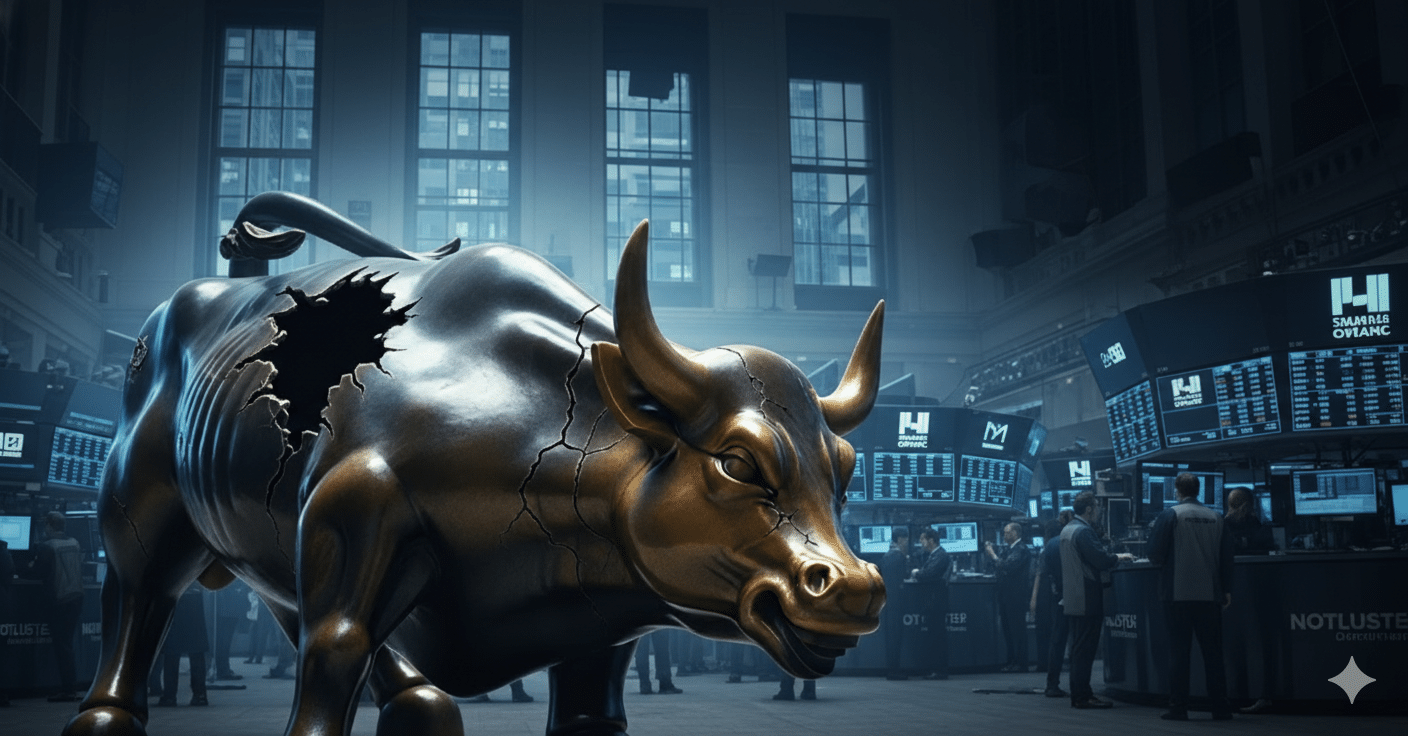
The Impact of AI Bubble Fears on Wall Street’s Market Dynamics
The recent wave of concerns about an AI bubble is making waves across Wall Street, impacting market behaviors in ways that investors and analysts are closely monitoring. As businesses rush to adopt artificial intelligence technologies, anxiety over the sustainability of these investments has led to significant fluctuations in stock prices.
The term “AI bubble” describes a scenario where excessive optimism drives inflated valuations of companies within the tech sector, particularly those touting AI capabilities. This trend can lead to a disconnect between actual company performance and market valuation, raising fears of a potential crash if these inflated expectations aren’t met. So, how exactly are these fears reshaping Wall Street’s market dynamics?
Investor Sentiment Shifts
Investor sentiment is a powerful force on Wall Street. When fears of an AI bubble arise, the mood can shift quickly, leading to a sell-off in AI-related stocks. Some high-flying tech names that appeared untouchable suddenly find themselves under scrutiny.
Key effects include:
-
Increased volatility: Stock prices can swing dramatically as traders react to AI-related news.
-
Flight to safety: Investors rotate out of tech into blue-chip stocks or bonds.
-
Market corrections: Overvalued names fall back to more sustainable price levels.
The Role of Media and Analysts
Media coverage and analyst commentary play a significant role in driving market reactions. Headlines about AI bubble fears can prompt immediate responses from investors.
Important influences:
-
Market predictions: Analysts adjust price targets and forecasts based on AI-sector risks.
-
Company projections: AI-focused firms face pressure to deliver on ambitious expectations.
-
Increased scrutiny: Firms emphasizing AI are examined more closely by investors and regulators.
AI and Tech Sector Performance
Persistent fears of an AI bubble can weigh on the tech sector’s growth trajectory.
Key impacts:
-
Delayed returns: AI investments may take time to show profitability.
-
Budget reallocations: Companies may scale back AI spending in favor of more predictable initiatives.
-
Stock market dynamics: Downward pressure spreads across the tech sector when caution rises.
Impact on Startups
AI startups are especially vulnerable as bubble fears rise.
Potential challenges:
-
Funding difficulties: Venture capital becomes more selective.
-
Tougher exits: Market volatility complicates IPO or acquisition strategies.
-
Innovation slowdown: Reduced funding can delay product development.
The impact of AI bubble fears on Wall Street is profound and multi-layered. From shifting sentiment to increased scrutiny, the market landscape continues to evolve as investors question the sustainability of rapid AI-driven growth.
Strategies for Investors to Navigate Market Slumps in an AI-Driven Economy
The stock market can be turbulent, especially as AI hype grows and fears of overvaluation ripple through the economy. Here are strategies to help investors manage downturns effectively.
Understand the AI Landscape
Educate yourself on how AI is transforming key industries—healthcare, finance, manufacturing, retail—and how certain companies are positioned competitively.
Diversify Your Portfolio
Diversification is one of the strongest tools for risk management.
Areas to consider:
-
Technology
-
Healthcare
-
Consumer goods
-
REITs
-
Bonds
Implement Dollar-Cost Averaging
Invest a fixed amount at regular intervals regardless of market conditions. This reduces emotional decision-making and helps lower average cost over time.
Focus on Long-Term Goals
Avoid panic selling. Review your financial objectives and stay committed to your long-term strategy.
Utilize Risk-Management Strategies
-
Set stop-loss orders
-
Use protective options
-
Conduct regular portfolio reviews
Stay Informed and Adaptable
Follow financial news, attend webinars, and track industry research. Staying updated helps you respond intelligently to market changes.
Seek Professional Guidance
Financial advisors can offer personalized guidance tailored to your risk tolerance and goals.
Conclusion
As Wall Street grapples with uncertainties surrounding a potential AI bubble, volatility has surged and investor sentiment has shifted noticeably. Tech-heavy sectors have seen sharp sell-offs, prompting investors to reassess risk exposure.
For those navigating this environment, diversification, long-term perspective, and disciplined risk management remain essential. While AI-driven volatility poses challenges, it also presents opportunities for investors who stay informed and strategic.
By adjusting to changing market dynamics and maintaining a grounded investment approach, investors can protect their portfolios while positioning themselves for future growth in an evolving AI-powered economy.
Comparison, examination, and analysis between investment houses
Leave your details, and an expert from our team will get back to you as soon as possible
* This article, in whole or in part, does not contain any promise of investment returns, nor does it constitute professional advice to make investments in any particular field.
To read more about the full disclaimer, click here
- orshu
- •
- 6 Min Read
- •
- ago 7 hours
SKN | Tel Aviv Indices Retreat as Investors Weigh Economic Signals and Sector Pressures
The Tel Aviv shווקי opened lower as investors navigated mixed economic signals and sector-specific pressures. The TA-35 led the declines,
- ago 7 hours
- •
- 6 Min Read

The Tel Aviv shווקי opened lower as investors navigated mixed economic signals and sector-specific pressures. The TA-35 led the declines,
- orshu
- •
- 7 Min Read
- •
- ago 12 hours
SKN | Global Growth Resilience and Critical Inflation Data to Anchor Final Trading Week of Q1
The global financial markets enter the final full trading week of March 2026 with a dual focus on consolidating recent
- ago 12 hours
- •
- 7 Min Read

The global financial markets enter the final full trading week of March 2026 with a dual focus on consolidating recent

- sagi habasov
- •
- 6 Min Read
- •
- ago 13 hours
SKN | Stocks and Treasuries Slide as Iran Tensions Escalate: Market Wrap
Equity and bond markets fell as renewed conflict fears between the United States and Iran weighed on investor sentiment. The
- ago 13 hours
- •
- 6 Min Read

Equity and bond markets fell as renewed conflict fears between the United States and Iran weighed on investor sentiment. The
- sagi habasov
- •
- 6 Min Read
- •
- ago 14 hours
SKN | Asian Markets Open Lower with Tech and Export Stocks Under Pressure
Asian equities opened lower on Monday, March 23, as investors assessed mixed economic signals and weighed currency pressures against regional
- ago 14 hours
- •
- 6 Min Read
Asian equities opened lower on Monday, March 23, as investors assessed mixed economic signals and weighed currency pressures against regional

