


- Ronny Mor
- •
- 18 Min Read
- •
- 6 months ago
Key Points
- Finance chiefs report optimism in economic outlook but remain cautious about tariffs driving costs higher.
- Federal Reserve surveys highlight strong consumer demand, job market stability, and investment in innovation.
- Tariffs threaten to increase costs, forcing companies to adjust pricing strategies and manage supply chain risks.
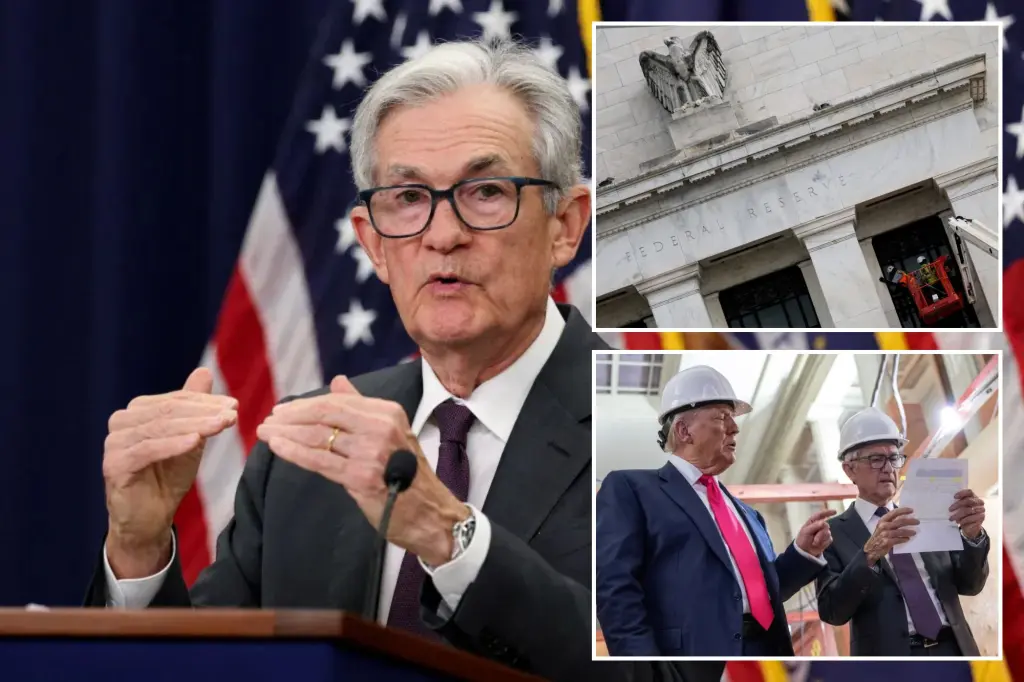
The impact of tariffs on company pricing strategies amid optimistic outlooks from finance chiefs
In recent reports, finance chiefs have expressed a sense of optimism regarding the economic outlook. Despite this uplifting mood, they acknowledge looming challenges, particularly the impact of tariffs. These tariffs are poised to push prices higher, prompting companies to rethink their pricing strategies. Understanding how tariffs affect pricing can help businesses navigate these uncertain waters.
The mood among finance chiefs
Recent surveys show that finance leaders are feeling more positive about the economy’s trajectory. Many report improved consumer demand and increased sales projections. This optimism, however, is tempered by the realities of global trade issues. The rising tensions around tariffs create a complex environment where companies must balance growth aspirations against increased costs.
Understanding tariffs and their effects
Tariffs are taxes imposed on imported goods. They are often used by governments to protect domestic industries but can lead to price increases for consumers. When tariffs are enacted, companies face higher costs for raw materials and goods. This additional financial burden can have significant implications on how businesses set prices.
Key impacts of tariffs on pricing strategies
-
Increased Costs: The immediate effect of tariffs is the increased cost of imported goods. Companies may need to raise their prices to maintain profit margins.
-
Supply Chain Adjustments: Businesses might look for domestic suppliers to avoid tariffs, impacting production costs and timelines.
-
Market Competition: Companies must consider how competitors are adjusting their prices in response to tariffs, influencing their pricing strategies.
-
Customer Perception: Price increases can affect customer loyalty. Companies need to communicate effectively to justify price changes.
Adapting pricing strategies in a tariff environment
In light of the tariffs, finance chiefs are encouraged to adopt proactive pricing strategies. Here are some tactics to consider:
1. Cost analysis
Regularly analyze how tariffs impact overall costs. By understanding these changes, businesses can make informed pricing decisions that reflect true expenses while remaining competitive.
2. Transparent communication
Engaging with customers about the reasons behind price increases is crucial. Transparency builds trust and understanding, making customers more receptive to price changes.
3. Diversifying suppliers
Companies should seek diverse supplier options, both domestically and internationally. This flexibility can help mitigate the risk of increased costs from tariffs.
4. Value addition
Enhancing the value proposition of products can justify higher prices. Companies can focus on quality or inclusive services to offset tariff impacts, ensuring that customers feel they are receiving value for their money.
The balancing act of growth and costs
As finance chiefs maintain their optimistic outlooks, they face the pressing need to find a balance between growth and costs. Tariffs can complicate this balance, forcing companies to reevaluate pricing and operational strategies. While optimism remains high, it’s essential to understand the volatility introduced by tariffs. This awareness will prepare companies to adjust rapidly and effectively.
Listening to the market
Keeping a finger on the pulse of customer sentiment is vital. Since customers are sensitive to price changes, realizing their reaction can help businesses tailor their strategies. Conducting regular surveys and gathering feedback may lead to adjustments that retain customer loyalty even in tough financial times.
Future considerations
Looking ahead, companies must stay abreast of any potential changes in tariff laws and trade agreements. These shifts could influence pricing strategies and overall market dynamics. Staying informed and adaptable will be key for businesses looking to thrive amidst uncertainty.
Ultimately, while finance chiefs report a positive outlook, the cloud of tariffs looms large. Efficiently executing pricing strategies that account for these changes is essential for sustaining growth. Companies must find innovative ways to navigate increased costs while maintaining a competitive edge, ensuring they can continue serving their customers effectively.
Analyzing the Federal Reserve’s survey trends and their implications for business confidence
Recent findings from the Federal Reserve’s surveys reveal a noteworthy shift in business sentiment across various sectors. Company finance chiefs report a gradual lifting of morale, indicating a change from previous downturns. However, looming tariffs threaten to counter this positive trend by driving up prices. Understanding these dynamics is crucial for businesses as they navigate the ever-changing economic landscape.
The Federal Reserve regularly conducts surveys of banks and businesses to gauge the overall economic conditions and sentiments in the marketplace. Recently, these surveys highlighted a trend where executives feel increasingly optimistic about the future. Many believe that factors such as improved consumer demand and a stable labor market are fostering a more positive business environment.
Notably, a bulk of finance leaders expressed confidence in their companies’ growth prospects. This optimism stems from the idea that economic recovery is gaining momentum. They also noted that increased capital investment is expected, suggesting a forward-thinking approach among businesses looking to expand their capabilities.
Nonetheless, while corporate leaders are looking forward to a more vibrant economic scene, they are also wary of external pressures, particularly tariffs. The anticipated tariffs could lead to increased costs for raw materials, which would ultimately affect pricing strategies. This juxtaposition of optimism and caution presents a unique challenge for business leaders as they balance growth strategies with cost management.
Key insights from the Federal Reserve survey
-
Rising Consumer Spending: A notable trend is the increase in consumer spending, a crucial driver of economic growth. Finance chiefs believe this uptick is likely to continue, which could bolster business sales.
-
Job Market Stability: The current state of the job market is encouraging. With more people employed, confidence in spending tends to rise, benefitting businesses across multiple industries.
-
Investment in Innovation: Many companies are investing more heavily in research and development. This commitment to innovation indicates a long-term vision and a belief that the economy will continue to strengthen.
-
Growth in Export Opportunities: Some finance chiefs noted an increase in opportunities for exports despite the concerns about tariffs. While international trade tensions exist, certain markets remain favorable for growth.
Additional considerations
Despite these positive indicators, the fear of rising costs due to tariffs cannot be understated. Finance leaders expressed outcry regarding the potential pressures these tariffs could bring. Increased prices for imported goods could force businesses to either absorb the extra costs or pass them on to consumers, which may dampen spending and growth in the long run. It’s a delicate balance that executives will need to manage as they strategize over the coming months.
Another element worth mentioning is the impact of interest rates on business confidence. The Federal Reserve’s decisions regarding interest rates directly influence financing costs, particularly for companies dependent on loans for expansion or operational needs. A stable rate environment can offer comfort to businesses, allowing them to plan investments and expenditures more confidently.
As companies analyze the implications of the Fed survey, several recommended strategies can help in maintaining a competitive edge:
-
Cost Management: Understand and mitigate the impact of rising costs through strategic sourcing and supplier negotiations. Building flexibility into contracts can also be beneficial.
-
Adapt Pricing Strategies: Consider implementing adaptive pricing strategies that reflect market conditions instead of blanket price increases, enabling businesses to remain competitive.
-
Diversify Supplier Base: Investigate new suppliers or alternative materials from countries that might not be subjected to tariffs, reducing vulnerability to price increases.
-
Focus on Innovation: Continue investing in innovation to differentiate products and services from competitors, potentially allowing for higher price points that could offset cost pressures.
Conclusion
As company finance chiefs express a more optimistic outlook, the interplay between tariffs and pricing strategies is becoming increasingly significant. Their optimistic mood reflects a broader sense of economic recovery. However, this brightness is tempered by the looming effects of tariffs, which are poised to push prices higher. Companies must navigate these complexities, balancing the potential for growth with the risks that increased costs bring.
The Federal Reserve’s survey trends provide important insights into this delicate balance. Executive sentiment highlights a confidence in economic stability, yet they remain cautious about external pressures such as tariffs. These pressures can impact consumer spending and overall business health. As organizations adapt their pricing strategies, they need to remain vigilant about how these changes might affect their customer base and market share.
Ultimately, finance leaders will play a critical role in steering their companies through this landscape. They must be strategic in how they approach pricing while staying attuned to shifts in consumer behavior and broader economic conditions. Encouragingly, the optimistic sentiment reported can inspire innovation and resilience, but it must be tempered with a realistic assessment of the challenges posed by tariffs. By remaining adaptable and informed, businesses can position themselves to thrive even amid uncertainty, harnessing both optimism and caution as they move forward.
Comparison, examination, and analysis between investment houses
Leave your details, and an expert from our team will get back to you as soon as possible
* This article, in whole or in part, does not contain any promise of investment returns, nor does it constitute professional advice to make investments in any particular field.
To read more about the full disclaimer, click here
- Ronny Mor
- •
- 8 Min Read
- •
- ago 4 hours
SKN | Is the Federal Reserve Preparing for Policy Whiplash as Inflation and Labor Risks Collide?
Fed Signals Strategic Flexibility Amid Rising Uncertainty Federal Reserve Bank of St. Louis President Alberto Musalem has reinforced a critical
- ago 4 hours
- •
- 8 Min Read

Fed Signals Strategic Flexibility Amid Rising Uncertainty Federal Reserve Bank of St. Louis President Alberto Musalem has reinforced a critical

- sagi habasov
- •
- 7 Min Read
- •
- ago 10 hours
SKN | Is the Fed Underestimating Inflation Risks as Oil Prices Surge Again?
Fed Signals Caution as Energy Prices Complicate Policy Outlook Federal Reserve officials are increasingly signaling a more cautious stance as
- ago 10 hours
- •
- 7 Min Read

Fed Signals Caution as Energy Prices Complicate Policy Outlook Federal Reserve officials are increasingly signaling a more cautious stance as

- omer bar
- •
- 6 Min Read
- •
- ago 2 days
SKN | Gold Rises as Fed Rate-Cut Speculation and Trump Remarks Influence Market Sentiment
Gold prices gained ground as investors weighed expectations of a potential Federal Reserve rate cut alongside market reactions to remarks
- ago 2 days
- •
- 6 Min Read

Gold prices gained ground as investors weighed expectations of a potential Federal Reserve rate cut alongside market reactions to remarks
- sagi habasov
- •
- 7 Min Read
- •
- ago 2 days
SKN | U.S. Eyes Alternatives After WTO Talks Fail to Renew E‑Commerce Moratorium
Global trade negotiations at the World Trade Organization’s (WTO) 14th ministerial meeting in Yaoundé, Cameroon concluded without agreement on extending
- ago 2 days
- •
- 7 Min Read

Global trade negotiations at the World Trade Organization’s (WTO) 14th ministerial meeting in Yaoundé, Cameroon concluded without agreement on extending

