


- Ronny Mor
- •
- 18 Min Read
- •
- 6 months ago
Key Points
- Gold has surged over 40% in 2025, poised for its strongest performance since 1979.
- Economic instability, inflation fears, geopolitical tensions, and increased retail participation are major drivers.
- Investors should consider diversification, physical vs. paper gold, and staying informed on market trends.

The Factors Driving Gold Prices Up More Than 40% in 2025
Gold has surged dramatically in 2025, rising over 40% and positioning itself for what could be its most impressive year since 1979. Many factors contribute to this significant increase in gold prices. Understanding these drivers can help you navigate the complex financial landscape. Below are some key reasons explaining why gold is experiencing such a remarkable turnaround this year.
Global Economic Instability
Economic uncertainty worldwide often leads investors to seek safety in gold. In 2025, economic challenges such as inflation, political unrest, and fluctuations in the stock market prompted many to turn to gold as a secure asset. When markets become volatile, investors typically flock to gold, driving up its demand. This increased demand has crucially contributed to the sharp rise in gold prices.
Inflation Concerns
Inflation remains a pressing issue in many economies. Central banks have struggled to control rising prices, which has diminished consumer purchasing power. Gold is traditionally viewed as a hedge against inflation. As prices soar, the allure of gold grows stronger. Investors often buy gold to preserve their wealth, which in turn pushes prices higher. Gold’s intrinsic value seems appealing during times of high inflation, and this year, it has resonated prominently with investors.
Interest Rates and Monetary Policy Changes
Central banks around the globe are reassessing their monetary policies, seeking a balance between controlling inflation and supporting economic growth. In 2025, we have seen fluctuations in interest rates, which directly affect gold prices. Generally, when interest rates are low, gold becomes more attractive, as it does not provide interest like bonds or savings accounts. With some central banks hesitant to raise rates aggressively, more investors are turning to gold, driving its price upward.
Supply Chain Disruptions
The aftermath of global events such as the pandemic has resulted in substantial supply chain disruptions, affecting various commodities, including gold. Mining operations faced delays and restrictions, which constrained the availability of new gold on the market. A decline in supply alongside rising demand has naturally led to an increase in prices. This situation emphasizes the interconnectedness of global trade and its direct impact on commodity prices.
Geopolitical Tensions
In 2025, geopolitical tensions have also influenced gold prices. Issues such as conflicts in various regions often lead to investor anxiety. When tensions rise, gold acts as a safe haven asset. As countries grapple with political unrest or military conflicts, the value of gold tends to increase as investors look for stability. This accumulation of wealth in gold forms a vital aspect of why prices have surged this year.
Technological Advancements in Mining
While demand is high, advancements in mining technology have also played a role in how supply meets that demand. With improved extraction methods, mining companies can access previously untapped resources. However, despite these advancements, the immediate impact on gold supplies has been minimal, reinforcing the point that constrained supply helps to elevate prices even more. In other words, while technology can help meet demand over the long term, its impact in the short term has been limited.
Increased Retail Investor Participation
The rise of online trading platforms has empowered retail investors, allowing more people than ever to invest in gold. In 2025, we have seen a significant influx of retail investors buying gold, whether in physical forms like coins and bars or through gold-backed exchange-traded funds (ETFs). This democratization of gold investment has amplified the demand, further pushing prices upward. Retail participation can often stimulate the market dramatically, creating a ripple effect on the overall price trend.
Behavioral Shifts in Investment Strategies
Behavioral changes in investment strategies have played a crucial role this year. Investors are prioritizing long-term stability over short-term gains. More individuals are re-evaluating their portfolios, seeking to diversify their holdings with precious metals. This shift towards including more gold can lead to sustained price increases as the asset gains favor in varied investment strategies.
The gold price increase of over 40% in 2025 can be attributed to numerous interconnected factors: economic instability, inflation fears, interest rate changes, supply chain issues, geopolitical tensions, technological advancements, increased retail participation, and shifting investment strategies. Recognizing these factors can guide you in making informed decisions in the fluctuating market.
Historical Comparisons: Analyzing Gold’s Best Year Since 1979
Gold has long been viewed as a safe haven for investors, especially during turbulent financial times. As we witness a sharp rise in gold prices, projected to be more than 40% in 2025, it’s important to look back and analyze what this means in the context of historical trends. Understanding gold’s trajectory can help you make informed investment decisions today.
Gold’s Performance in the Late 1970s
One of the most significant periods for gold was the late 1970s. During this time, several factors contributed to soaring prices. The world was facing high inflation rates, political instability, and stock market volatility. As a result, gold reached a peak of around $850 an ounce in January 1980, marking its best year since then.
The reasons behind this surge included:
-
High inflation and low-interest rates.
-
Geopolitical tensions, like the Iranian Revolution.
-
Increased demand from investors seeking safety.
Comparing Historical Data
Fast forward to 2025, and we are witnessing a resurgence in gold prices reminiscent of those late 1970s peaks. As of now, the gold market is on pace for its most impressive performance in over four decades. Here’s a snapshot of historical comparisons:
-
1979: Gold’s peak was spurred by global economic turmoil.
-
2008: The financial crisis drove gold prices to around $1,000 an ounce, as investors flocked to safer assets.
-
2020: The COVID-19 pandemic catalyzed soaring demand for gold, with prices reaching new highs and exceeding $2,000 an ounce.
-
2025: Current projections indicate a continued upward trend, potentially surpassing the 1979 benchmark.
Key Factors Influencing Gold Prices
What exactly is driving the demand for gold in 2025? Here are some factors to consider:
-
Economic Conditions: With rising inflation fears, central banks are shifting towards policies that may favor gold as a hedge.
-
Market Volatility: Ongoing global conflicts and market fluctuations often lead investors to seek out traditional safe havens like gold.
-
Increased Institutional Investment: More institutions are recognizing gold’s value, increasing its market demand.
-
Technological Advances: Innovations in mining and extraction make gold more accessible, further bolstering supply to keep up with demand.
Investment Strategies in a Rising Market
As gold prices climb, it’s essential to adopt savvy investment strategies. Here are some tips you might find helpful:
-
Diversify Your Portfolio: While gold can provide a cushion during tough times, it’s critical to have a well-diversified portfolio. Consider complementary assets that perform well under different market conditions.
-
Stay Informed: Track economic indicators such as inflation stats, interest rates, and geopolitical events that could affect gold prices.
-
Consider Physical vs. Paper Gold: Decide whether you want to hold physical gold, like bullion or coins, or invest in paper gold, such as ETFs. Each has different levels of risk and liquidity.
As you navigate through these uncertain times, understanding the historical performance of gold can guide your investment decisions. With gold projected to rise more than 40% in 2025, learning from the past ensures you are better equipped to respond to market changes today. Remember, gold is not just a commodity; it is a reflection of economic stability. Embrace its potential while being mindful of the lessons history has taught us.
Conclusion
As we look back on 2025, it’s clear that several factors have converged to propel gold prices up more than 40%, making it a standout year in the history of precious metals. Economic uncertainty, inflation concerns, and shifting geopolitical landscapes have all played critical roles in driving investors toward gold as a safe haven. These dynamics reflect a growing trend among individuals and institutions alike, showcasing gold’s resilience as a reliable investment amid turbulent times.
When we compare this year’s performance to previous decades, it’s evident that 2025 echoes the remarkable achievements of 1979, which was another year marked by economic challenges. Just as in the past, today’s gold surge highlights the metal’s timeless appeal and strategic importance in a well-rounded portfolio. The record highs reached in 2025 not only demonstrate gold’s capacity to retain value but also underline its role in safeguarding wealth against unpredictable market fluctuations.
For investors and those considering gold for the first time, understanding these historical patterns and current trends provides valuable insights. With the backdrop of today’s financial landscape, embracing gold as part of your investment strategy may not just be wise—it could be essential. As we move forward, it will be interesting to see how gold continues to adapt, maintaining its shine in a world where economic variables will inevitably evolve. Keeping an eye on both historical trends and contemporary developments will ensure that you make informed decisions about your financial future.
Comparison, examination, and analysis between investment houses
Leave your details, and an expert from our team will get back to you as soon as possible
* This article, in whole or in part, does not contain any promise of investment returns, nor does it constitute professional advice to make investments in any particular field.
To read more about the full disclaimer, click here
- Lior mor
- •
- 6 Min Read
- •
- ago 6 hours
SKN | Gold Retreats as Dollar Strengthens: Are Precious Metals Losing Their Safe-Haven Appeal?
Gold prices pulled back from recent highs as the U.S. dollar strengthened and Treasury yields moved higher, challenging the traditional
- ago 6 hours
- •
- 6 Min Read

Gold prices pulled back from recent highs as the U.S. dollar strengthened and Treasury yields moved higher, challenging the traditional
- Lior mor
- •
- 6 Min Read
- •
- ago 17 hours
SKN | Why Are European Natural Gas Prices Surging as Middle East LNG Supplies Disrupt Global Markets?
European natural gas prices are climbing sharply as escalating conflict in the Middle East threatens critical liquefied natural gas (LNG)
- ago 17 hours
- •
- 6 Min Read

European natural gas prices are climbing sharply as escalating conflict in the Middle East threatens critical liquefied natural gas (LNG)
- Lior mor
- •
- 6 Min Read
- •
- ago 1 day
SKN | US Approves Temporary Sales of Russian Oil Stranded at Sea – What It Means for Global Markets
The United States announced it will permit the sale of Russian crude oil that has remained stranded at sea for
- ago 1 day
- •
- 6 Min Read
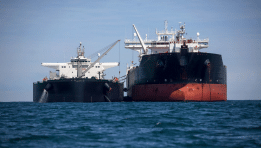
The United States announced it will permit the sale of Russian crude oil that has remained stranded at sea for

- Ronny Mor
- •
- 6 Min Read
- •
- ago 1 day
SKN | Why Are U.S. Gasoline Prices Surging Despite the Largest Strategic Oil Release in History?
U.S. gasoline futures have surged to their highest levels in nearly two years as escalating tensions in the Persian Gulf
- ago 1 day
- •
- 6 Min Read
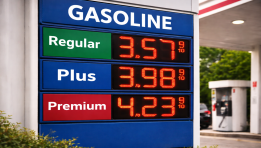
U.S. gasoline futures have surged to their highest levels in nearly two years as escalating tensions in the Persian Gulf

