


- Ronny Mor
- •
- 6 Min Read
- •
- 6 months ago
Key Points
- King Charles emphasized support for Ukraine and environmental protection while hosting Trump and top U.S. executives at Windsor Castle.
- Tech and finance leaders, including Apple CEO Tim Cook and Citi’s Jane Fraser, attended a state dinner designed to cement transatlantic economic cooperation.
- Bilateral agreements on AI, nuclear energy, and digital infrastructure are expected to drive tens of billions of dollars in investment between the U.S. and U.K.
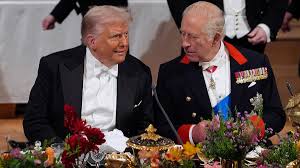
High-Profile Gathering Signals Strengthening Transatlantic Ties
U.S. President Donald Trump joined King Charles III for a lavish state dinner at Windsor Castle on Wednesday, marking a rare and highly orchestrated effort to reinforce the U.S.-U.K. “special relationship” amid economic and security challenges. The king’s remarks underscored pressing global concerns, emphasizing support for Ukraine in the face of Russian aggression and calling for greater environmental stewardship. The ceremonial evening, complete with a string orchestra, vintage wines, and a bespoke “Transatlantic Whisky Sour,” was emblematic of the broader diplomatic and economic objectives underpinning Trump’s visit.
“The nations stand together in support of Ukraine to deter aggression,” King Charles said during his toast, highlighting the geopolitical context in which U.S.-U.K. collaboration is increasingly critical. Trump echoed these sentiments, framing the gathering as a celebration of shared heritage and values, while simultaneously reinforcing his administration’s economic priorities.
Tech and Finance Leaders Spotlight Economic Cooperation
The dinner’s guest list read like a who’s who of American business, signaling the scale of economic engagement under discussion. Tim Cook, CEO of Apple; Jane Fraser of Citi; Jensen Huang of Nvidia; and Steve Schwarzman of Blackstone were among the 160 attendees, reflecting the centrality of tech and finance sectors in U.S.-U.K. partnerships. Discussions are expected to solidify multibillion-dollar agreements in artificial intelligence, digital assets, and energy infrastructure, with companies including Microsoft, OpenAI, and GSK committing significant investment on both sides of the Atlantic.
The presence of these leaders underscored a strategic alignment aimed at leveraging private-sector innovation to bolster national priorities. AI data centers, nuclear projects, and other technological collaborations are anticipated to drive economic growth, while also enhancing the U.K.’s competitive position in high-tech sectors.
Diplomatic Nuances and Domestic Pressures
While the pageantry highlighted U.S.-U.K. alignment, the visit also unfolded against a backdrop of domestic and diplomatic challenges. Prime Minister Keir Starmer faces political turbulence following cabinet reshuffles and controversy surrounding Peter Mandelson, while Trump contends with lingering scrutiny over his past connections with Jeffrey Epstein. Protests outside Windsor Castle and tensions surrounding trade and regulatory negotiations underscored the delicate balance between diplomacy and domestic politics.
Experts note that the dinner’s success may ultimately hinge on tangible progress in policy and economic agreements, rather than ceremonial grandeur. U.K. officials aim to advance trade terms and secure collaboration on AI and nuclear energy, though high-profile disagreements—such as tariff negotiations and digital regulatory access—remain potential sticking points.
Forward Perspective: Economic Opportunities and Strategic Signals
The Windsor dinner signals a concerted effort to align U.S. and U.K. economic priorities, with private-sector investment playing a pivotal role in shaping the future of transatlantic collaboration. Investors and policymakers will closely monitor commitments in AI, nuclear energy, and technology infrastructure, assessing both the speed and scope of implementation. The interplay between ceremonial diplomacy and substantive policy agreements offers insights into how economic, technological, and geopolitical objectives can be synchronized to reinforce long-term strategic partnerships.
Comparison, examination, and analysis between investment houses
Leave your details, and an expert from our team will get back to you as soon as possible
* This article, in whole or in part, does not contain any promise of investment returns, nor does it constitute professional advice to make investments in any particular field.
To read more about the full disclaimer, click here
- Ronny Mor
- •
- 7 Min Read
- •
- ago 47 minutes
SKN | Will February’s Inflation Data Understate Emerging Price Pressures From the Iran War?
U.S. inflation data for February is expected to show relatively stable price growth, but the figures may already be outdated
- ago 47 minutes
- •
- 7 Min Read

U.S. inflation data for February is expected to show relatively stable price growth, but the figures may already be outdated

- Lior mor
- •
- 7 Min Read
- •
- ago 4 hours
SKN | Will the U.S. Tariff Reprieve Revive Chinese Exports or Deepen Trade Uncertainty?
Chinese exporters are reacting with both urgency and skepticism after a recent U.S. Supreme Court ruling temporarily limited the scope
- ago 4 hours
- •
- 7 Min Read

Chinese exporters are reacting with both urgency and skepticism after a recent U.S. Supreme Court ruling temporarily limited the scope

- orshu
- •
- 7 Min Read
- •
- ago 2 days
SKN | U.S. Dollar Index Edges Higher on March 9 as Investors Monitor Global Risk Sentiment
The U.S. Dollar Index (DX-Y.NYB), which measures the performance of the dollar against a basket of major global currencies,
- ago 2 days
- •
- 7 Min Read
The U.S. Dollar Index (DX-Y.NYB), which measures the performance of the dollar against a basket of major global currencies,

- sagi habasov
- •
- 7 Min Read
- •
- ago 2 days
SKN | Why Are Global Bond Markets Plunging? Oil Above $115 Sparks Inflation Fears and Rate Shock
A dramatic surge in oil prices triggered a global bond market sell-off as investors scrambled to reassess inflation risks and
- ago 2 days
- •
- 7 Min Read

A dramatic surge in oil prices triggered a global bond market sell-off as investors scrambled to reassess inflation risks and

