


- Ronny Mor
- •
- 7 Min Read
- •
- 7 months ago
Highlights:
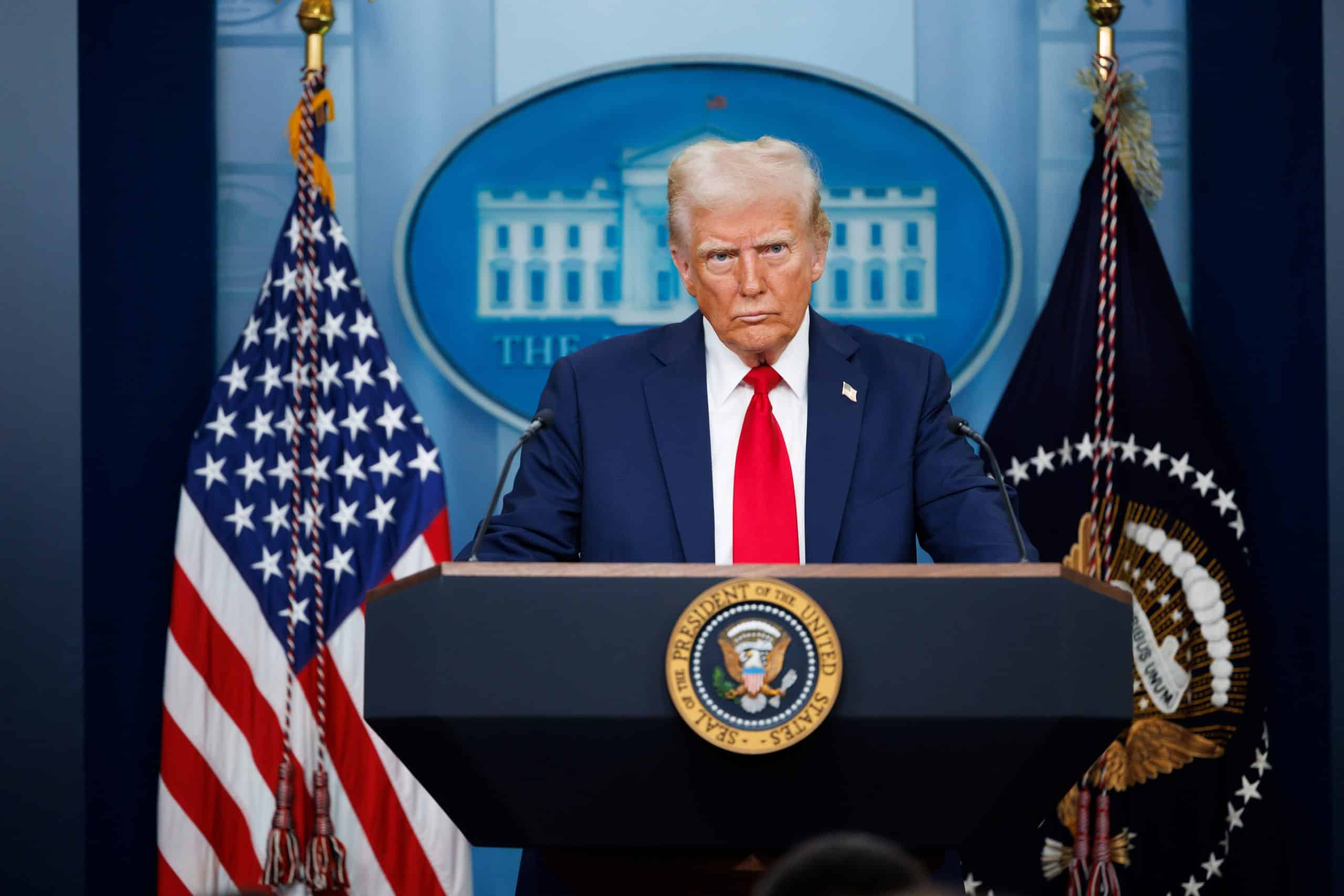
– Former President Donald Trump faces resistance in efforts to influence the Federal Reserve’s leadership and direction.
– Despite setbacks, Trump signals he will advance new candidates and policies to align monetary strategy with his economic agenda.
– Markets remain cautious, weighing potential political influence on Fed independence amid fragile global economic conditions.
Donald Trump’s latest attempt to reshape the U.S. Federal Reserve encountered both resistance and renewed momentum this week. A rejected nomination underscored institutional pushback, yet Trump quickly pivoted with new proposals, reinforcing his determination to place allies in key monetary policy positions. The moves come at a delicate time for global markets, with central banks balancing persistent inflationary pressures against slowing growth.
Setback in Nominations
Trump’s preferred nominee for a top Federal Reserve role faced bipartisan skepticism in Washington, raising concerns about politicization of the central bank. The rejection reflects the enduring tension between the Fed’s mandate for independence and Trump’s drive to align monetary policy more closely with his economic and political priorities. Investors interpreted the setback as a temporary pause rather than a decisive defeat, as Trump’s history shows a consistent pattern of pressing forward despite institutional resistance.
This development revived debate about the Fed’s credibility in the eyes of markets. Bond yields, already volatile amid shifting expectations for U.S. interest rates, showed limited immediate reaction, suggesting investors are adopting a “wait and see” approach. Nonetheless, the episode highlights how political maneuvering can create uncertainty for markets reliant on central bank stability.
Renewed Efforts to Influence Monetary Policy
Within days of the setback, Trump floated new names for potential Fed appointments, signaling a continued push to install figures who favor looser monetary conditions. His approach underscores a strategy aimed at fostering growth through lower interest rates and expanded liquidity, even as inflation risks persist.
For global investors—including those in Israel who closely follow U.S. monetary signals—the prospect of a politically aligned Fed raises questions about the direction of the U.S. dollar, bond markets, and capital flows. Israel’s export-driven economy is particularly sensitive to U.S. rate policy, as shifts in the dollar-shekel exchange rate directly impact competitiveness and inflation dynamics domestically.
Market and Policy Implications
The renewed attempt to reshape the Fed highlights the political stakes surrounding monetary policy. Central banks worldwide are walking a fine line between maintaining price stability and supporting growth, and U.S. policy shifts have global spillover effects. Trump’s maneuvers amplify the risk of perception that monetary policy could become less data-driven and more politically influenced.
Equity markets, which often welcome the prospect of lower rates, may find short-term relief if Trump succeeds in exerting influence. However, bond investors and international partners remain wary, mindful that credibility and independence are core pillars of the Fed’s ability to anchor global financial stability.
Looking ahead, the coming months will test whether Trump’s persistence in reshaping the Fed gains traction or faces stronger institutional pushback. Investors should watch closely for signals on future nominations, the Federal Reserve’s communication strategy, and the interplay between U.S. political cycles and monetary policy decisions. For global markets—and particularly export-reliant economies like Israel—the outcome will have lasting implications for currencies, capital flows, and investment strategies.
Comparison, examination, and analysis between investment houses
Leave your details, and an expert from our team will get back to you as soon as possible
* This article, in whole or in part, does not contain any promise of investment returns, nor does it constitute professional advice to make investments in any particular field.
To read more about the full disclaimer, click here
- Ronny Mor
- •
- 8 Min Read
- •
- ago 3 hours
SKN | Is the Federal Reserve Preparing for Policy Whiplash as Inflation and Labor Risks Collide?
Fed Signals Strategic Flexibility Amid Rising Uncertainty Federal Reserve Bank of St. Louis President Alberto Musalem has reinforced a critical
- ago 3 hours
- •
- 8 Min Read
Fed Signals Strategic Flexibility Amid Rising Uncertainty Federal Reserve Bank of St. Louis President Alberto Musalem has reinforced a critical

- orshu
- •
- 6 Min Read
- •
- ago 4 hours
SKN | Markets Extend Gains on April 1, 2026 as Tech Leads and Volatility Continues to Ease
U.S. equity markets closed higher on Wednesday, April 1, 2026, extending their recent rebound as investor sentiment continued to improve.
- ago 4 hours
- •
- 6 Min Read

U.S. equity markets closed higher on Wednesday, April 1, 2026, extending their recent rebound as investor sentiment continued to improve.
- orshu
- •
- 6 Min Read
- •
- ago 4 hours
SKN | Oil Pulls Back as Geopolitical Tensions Ease — Is the Energy Rally Losing Momentum?
Global oil prices moved lower after recent highs, as comments suggesting that Iran had sought a ceasefire reduced immediate
- ago 4 hours
- •
- 6 Min Read

Global oil prices moved lower after recent highs, as comments suggesting that Iran had sought a ceasefire reduced immediate
- orshu
- •
- 6 Min Read
- •
- ago 8 hours
SKN | European Markets Surge Broadly as Risk Appetite Strengthens Across the Region
European markets closed sharply higher on April 1, with major indices across the region posting strong gains as investor
- ago 8 hours
- •
- 6 Min Read

European markets closed sharply higher on April 1, with major indices across the region posting strong gains as investor

