




- Ronny Mor
- •
- 8 Min Read
- •
- 35 seconds ago


Key Points
- Brent crude climbed above $90 a barrel as the first direct exchange of fire between U.S. and Iranian forces in roughly a month revived fears of further Middle East escalation.
- WTI rose about 4% above $86 as investors assessed risks surrounding the Strait of Hormuz and already-constrained global refining capacity.
- Elevated gasoline prices, tighter refined-product supplies and potential new sanctions could keep energy costs a significant economic and political risk heading into the U.S. midterm elections.
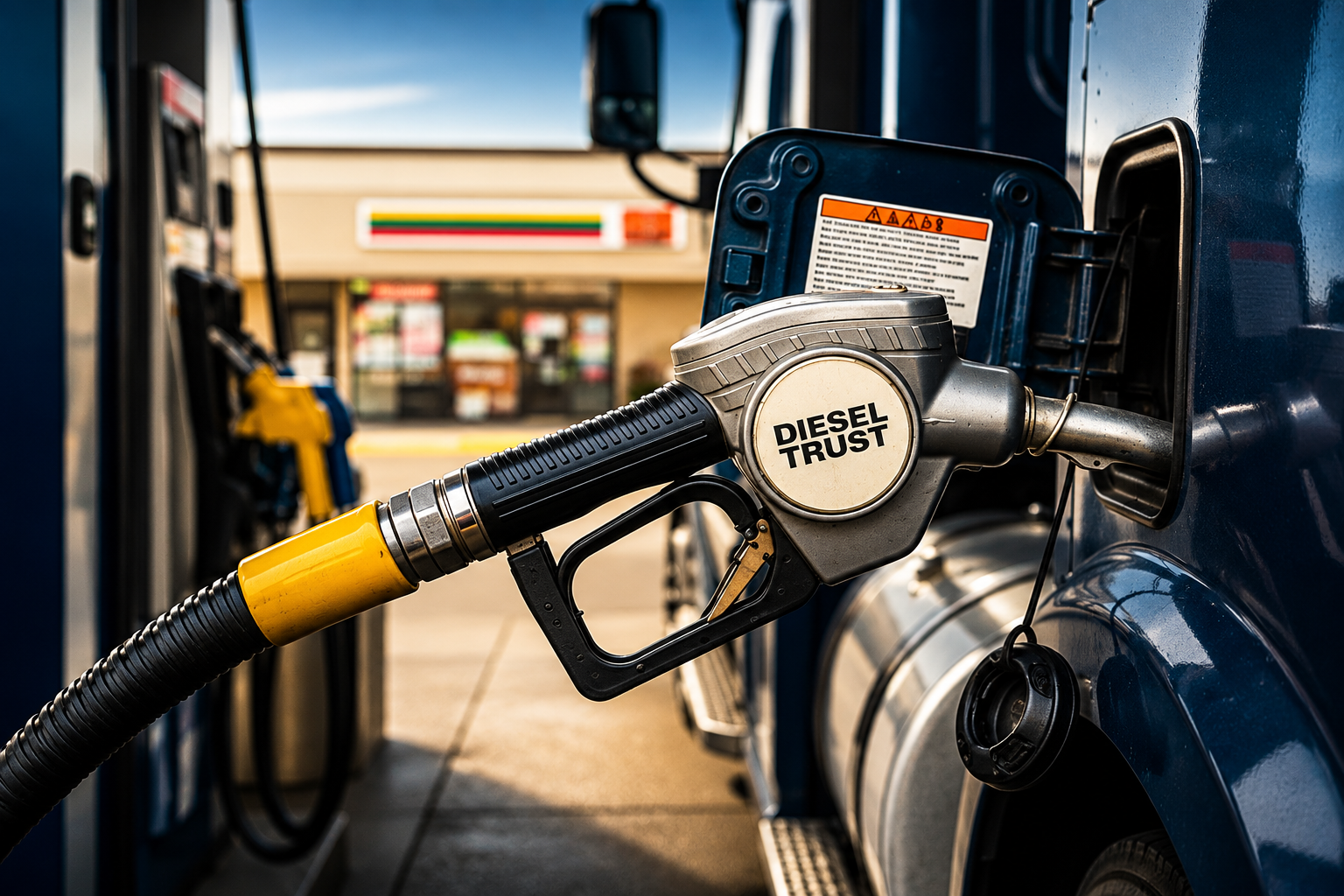
Renewed Fighting Reignites the Oil Risk Premium
Oil markets moved sharply higher Monday after U.S. and Iranian forces exchanged fire for the first time in approximately a month, reviving concerns that the six-month conflict could threaten energy infrastructure and shipping routes. Brent crude futures reached above $91 intraday and gained more than 2%, crossing $90 for the first time in roughly a week. U.S. WTI futures climbed about 4% to above $86.
The immediate trigger was a U.S. strike on two Iranian launchers on Larak Island, which U.S. Central Command said Iranian forces were preparing to use to launch rockets and sea mines into the Strait of Hormuz. Iran subsequently launched drones toward sites in Jordan and the United Arab Emirates and reported seizing a bulk carrier near Bandar Abbas.
For oil traders, the significance extends beyond the individual military actions. Any sustained disruption around Hormuz, one of the world’s most important energy transit routes, could rapidly increase the risk premium embedded in crude prices.
Supply Has Improved, but Refining Remains Under Pressure
The oil market is entering the latest escalation from an already fragile position. Persian Gulf oil flows have recovered to roughly 15 million barrels per day, according to Goldman Sachs research cited in the source material, or around two-thirds of prewar levels. That recovery has helped prevent an even larger crude shortage, but refined products remain under considerable pressure.
Attacks on refineries in the Middle East and Ukrainian strikes against Russian refining infrastructure have reduced available global processing capacity. Goldman Sachs strategists expect global refined-product runs to decline by roughly 7 million barrels per day, while tighter gasoline and diesel supplies are pushing refining margins higher as markets attempt to incentivize additional production.
This creates an important distinction for investors: crude availability can improve while consumers continue facing elevated prices for finished fuels. The resulting pressure can move through transportation, manufacturing and household spending, complicating the inflation outlook for major economies.
Sanctions Add Another Layer of Uncertainty
Markets will also monitor Washington’s economic response. Treasury Secretary Scott Bessent has threatened stronger economic measures against countries conducting business with Tehran, while the Treasury has already imposed severe sanctions on Emirati branches of Banque Misr over alleged Iranian financial flows.
The effectiveness of a broader sanctions campaign could depend heavily on China’s role in the Iranian oil trade. The source material notes that Chinese refiners continue to purchase roughly 90% of Iran’s crude exports, making China an important outlet for Tehran’s oil revenue.
For investors, this means the trajectory of oil prices could depend as much on diplomatic and economic decisions as battlefield developments. Markets will be particularly sensitive to any measures capable of materially reducing Iranian exports or disrupting shipping.
Energy Costs Become a Political Risk
The renewed oil rally also carries implications for U.S. consumers. National gasoline prices remained above $4 per gallon Monday, at approximately $4.08 according to AAA. Although prices have declined over the past month, the level remains high enough to affect household budgets and inflation perceptions.
With U.S. midterm elections approaching in November, energy affordability could become increasingly important for policymakers and investors alike. A prolonged period of elevated gasoline and diesel prices could weaken consumer purchasing power while adding pressure to inflation-sensitive sectors.
What Investors Should Watch Next
The next phase of the conflict will determine whether Monday’s oil surge becomes another temporary risk premium or the beginning of a sustained repricing of global energy markets. Investors should watch developments around the Strait of Hormuz, refined-product inventories, Iranian export volumes and any new Treasury sanctions. If military tensions remain contained and flows continue recovering, crude prices could eventually ease; however, another disruption to shipping or energy infrastructure could quickly push oil higher and reinforce inflationary pressures across the global economy.
Comparison, examination, and analysis between investment houses
Leave your details, and an expert from our team will get back to you as soon as possible
* This article, in whole or in part, does not contain any promise of investment returns, nor does it constitute professional advice to make investments in any particular field.
To read more about the full disclaimer, click here
- Ronny Mor
- •
- 7 Min Read
- •
- ago 3 days
SKN | Gazprom Reports Lower First-Half Profit as Currency Effects Offset Energy Price Gains
Russian energy giant Gazprom reported a decline in first-half 2026 profit, highlighting the continued impact of currency movements and
- ago 3 days
- •
- 7 Min Read

Russian energy giant Gazprom reported a decline in first-half 2026 profit, highlighting the continued impact of currency movements and

- Lior mor
- •
- 7 Min Read
- •
- ago 4 days
SKN | Shell Ends Talks to Sell Stake in Germany’s Russia-Linked Schwedt Refinery
Shell has ended negotiations with Polish energy group Unimot over the sale of its 37.5% stake in Germany’s PCK
- ago 4 days
- •
- 7 Min Read
Shell has ended negotiations with Polish energy group Unimot over the sale of its 37.5% stake in Germany’s PCK
- Ronny Mor
- •
- 7 Min Read
- •
- ago 4 days
SKN | Brazil’s 12% Oil Export Tax Faces Legal Uncertainty as Court Suspends Levy
Brazil’s oil sector faces renewed uncertainty after a federal court suspended a 12% export tax on crude oil, just
- ago 4 days
- •
- 7 Min Read
Brazil’s oil sector faces renewed uncertainty after a federal court suspended a 12% export tax on crude oil, just

- Arik Arkadi Sluzki
- •
- 7 Min Read
- •
- ago 5 days
SKN | Aramco Expands Oil Deliveries Outside Strait of Hormuz as Asian Buyers Seek Supply Security
Saudi Aramco is expanding efforts to move crude oil through alternative logistics channels as disruptions around the Strait of
- ago 5 days
- •
- 7 Min Read
Saudi Aramco is expanding efforts to move crude oil through alternative logistics channels as disruptions around the Strait of
