





- Lior mor
- •
- 7 Min Read
- •
- 20 seconds ago


Key Points
- Oil prices declined about 2% as diplomatic discussions involving Iran and Oman raised expectations that traffic through the Strait of Hormuz could gradually resume.
- The Strait of Hormuz remains critical to global energy markets, with disruptions threatening major flows of crude oil and refined products.
- The market reaction reflects reduced immediate supply-risk concerns, although the sustainability of the decline depends on diplomatic progress and actual restoration of shipping activity.

Oil prices fell around 2% as Iran and Oman held talks focused on reopening the Strait of Hormuz, easing some of the supply concerns that had pushed energy markets higher. The move highlights the sensitivity of global oil prices to developments around one of the world’s most important energy chokepoints, particularly as markets assess whether diplomatic efforts can translate into a sustained normalization of shipments.
Oil Market Reacts to Potential Hormuz Reopening
The decline in crude prices reflects a reduction in the immediate risk premium associated with disruptions in the Strait of Hormuz. The waterway is a critical transit route for global energy supplies, connecting producers in the Persian Gulf with international markets. Any prolonged interruption can therefore have consequences well beyond the region, affecting crude availability, shipping costs and refined-product prices.
The talks involving Iran and Oman have provided markets with a potential pathway toward restoring maritime traffic. For oil traders, even indications that restrictions could ease can reduce expectations of a prolonged supply shortage. That has contributed to downward pressure on crude prices as investors reassess the probability of additional disruptions.
However, the market remains sensitive to developments on the ground. Diplomatic discussions do not necessarily guarantee an immediate return to normal shipping conditions, meaning the risk premium could rise again if negotiations fail or transportation remains restricted.
Why the Strait of Hormuz Matters to Global Energy Markets
The Strait of Hormuz is among the most strategically important energy routes in the world. Large volumes of crude oil, condensates and petroleum products pass through the waterway, making its uninterrupted operation important for producers in the Gulf as well as major consumers across Asia and other regions.
A sustained disruption could raise transportation costs and force energy companies and governments to seek alternative supply routes or draw on inventories. Higher crude prices could also feed into gasoline, diesel, aviation fuel and petrochemical costs, creating broader inflationary pressure for economies that depend heavily on imported energy.
For Israel and other energy-importing economies, changes in global oil prices can influence inflation expectations, transportation expenses, business costs and currency dynamics. A sustained decline in crude prices could ease some of those pressures, while renewed disruption would have the opposite effect.
Diplomatic Progress Could Determine the Next Move in Oil
The latest price decline indicates that traders are increasingly incorporating the possibility of improved conditions into valuations, but the outlook remains highly dependent on diplomatic and geopolitical developments. If Iran and Oman make tangible progress toward reopening the waterway and shipping activity begins to normalize, the risk premium embedded in oil prices could decline further.
At the same time, markets will continue monitoring tanker movements, official statements and regional security developments. Any indication that negotiations are deteriorating could quickly reverse the recent decline, particularly given the importance of the Strait to global supply.
Going forward, investors will watch whether diplomatic efforts lead to an actual and sustained reopening of the Strait of Hormuz. The direction of crude prices will depend on the balance between improving supply expectations and renewed geopolitical risks, while energy costs will remain an important factor for global inflation, central-bank policy and broader market sentiment.
Comparison, examination, and analysis between investment houses
Leave your details, and an expert from our team will get back to you as soon as possible
* This article, in whole or in part, does not contain any promise of investment returns, nor does it constitute professional advice to make investments in any particular field.
To read more about the full disclaimer, click here
- Arik Arkadi Sluzki
- •
- 7 Min Read
- •
- ago 5 hours
SKN | Gunvor Targets More Than $1 Billion Haynesville Deal as U.S. Natural Gas Demand Accelerates
Gunvor is in early discussions to acquire natural gas-producing assets from private energy company Silver Hill Energy Partners in
- ago 5 hours
- •
- 7 Min Read
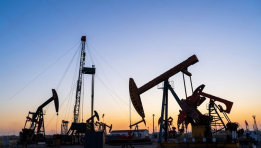
Gunvor is in early discussions to acquire natural gas-producing assets from private energy company Silver Hill Energy Partners in

- omer bar
- •
- 6 Min Read
- •
- ago 7 hours
SKN | Gold Pulls Back From Three-Month High as Inflation Data and Fed Signals Take Center Stage
Gold Rally Pauses Near a Key High Gold prices lost momentum on Tuesday after reaching $4,696.20 an ounce earlier in
- ago 7 hours
- •
- 6 Min Read

Gold Rally Pauses Near a Key High Gold prices lost momentum on Tuesday after reaching $4,696.20 an ounce earlier in

- orshu
- •
- 7 Min Read
- •
- ago 9 hours
SKN | Oil Prices Retreat as U.S. Shifts Toward Economic Pressure on Iran, Easing Near-Term Supply Fears
Oil prices came under renewed pressure this week as investors reassessed the potential trajectory of the U.S.-Iran conflict and
- ago 9 hours
- •
- 7 Min Read
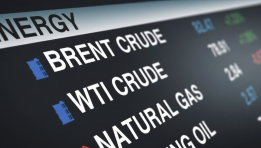
Oil prices came under renewed pressure this week as investors reassessed the potential trajectory of the U.S.-Iran conflict and

- Ronny Mor
- •
- 7 Min Read
- •
- ago 10 hours
SKN | Oil Prices Slide 3% as U.S. Shifts Toward Economic Pressure on Iran
Oil Retreats as Geopolitical Risk Premium Eases Oil prices fell sharply on Tuesday as investors reassessed the likelihood of another
- ago 10 hours
- •
- 7 Min Read

Oil Retreats as Geopolitical Risk Premium Eases Oil prices fell sharply on Tuesday as investors reassessed the likelihood of another

