





- omer bar
- •
- 7 Min Read
- •
- 19 seconds ago


Key Points
- U.S. dollar advanced after Washington expanded sanctions on Iran, reversing some of its recent weakness.
- The Canadian dollar weakened as new U.S. tariff increases intensified trade tensions between Washington and Ottawa.
- Markets are weighing geopolitical risks, U.S. fiscal concerns and trade policy alongside the outlook for Treasury yields and global growth.
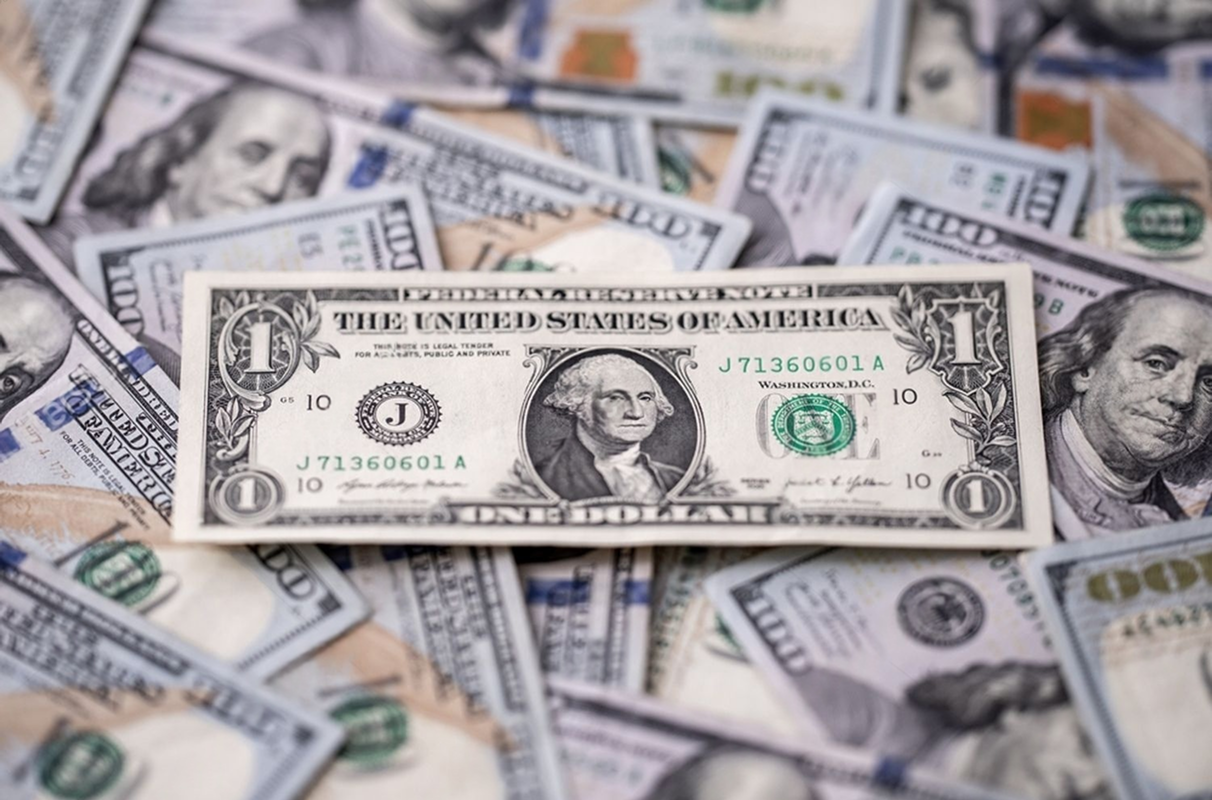
The U.S. dollar strengthened on Monday after the Trump administration announced an expansion of sanctions on Iran, while renewed trade tensions with Canada pressured the Canadian dollar. The moves came after the greenback had recorded its third weekly decline in four weeks, highlighting how quickly geopolitical and trade developments can alter currency-market positioning.
Iran Sanctions Give the Dollar a Short-Term Lift
The dollar’s latest advance reflects a shift in the immediate risk environment rather than a clear reversal of its broader trend. U.S. Treasury Secretary Scott Bessent announced an expansion of secondary sanctions targeting economic links to Iran, with Washington seeking to restrict the channels that continue to support Tehran’s economy. The measures add another layer of geopolitical uncertainty to global markets, particularly as tensions remain elevated around shipping and energy flows in the Gulf.
For currency markets, the sanctions can temporarily reinforce demand for the dollar as investors reassess geopolitical exposure and liquidity needs. However, the longer-term direction remains tied to broader questions surrounding U.S. fiscal credibility, interest-rate expectations and the attractiveness of dollar-denominated assets. The greenback had recently fallen to three-month lows, suggesting that investors remain cautious about treating the latest move higher as a definitive change in trend.
Canada Trade Tensions Weigh on the Loonie
The Canadian dollar faced a more direct pressure point after President Donald Trump announced that 50% tariffs on Canadian vehicles, parts and steel would begin on January 1, 2027. The announcement adds uncertainty for Canada’s export sector and raises concerns about the economic consequences of a prolonged deterioration in the trading relationship with its largest commercial partner.
The Canadian dollar weakened as markets assessed the potential impact on manufacturing, investment and cross-border supply chains. The implications extend beyond currency markets because higher trade barriers can increase costs for businesses while reducing the competitiveness of Canadian exports. For investors, the response of Canadian policymakers and the possibility of further negotiations with Washington will be important factors in determining whether the currency’s recent weakness persists.
Fiscal Concerns Keep the Dollar’s Longer-Term Outlook Complicated
The dollar’s rebound also comes against a backdrop of persistent concerns about U.S. government debt and Treasury-market conditions. These concerns have contributed to recent volatility in long-term bond yields and have challenged the traditional relationship between higher yields and a stronger dollar. Investors are increasingly examining whether elevated yields reflect attractive returns or growing compensation for fiscal and inflation risks.
The Treasury’s efforts to improve liquidity in the government bond market are therefore closely connected to currency-market expectations. Any sustained stabilization in Treasury yields could provide greater support for the dollar, while renewed concerns over fiscal policy could limit its recovery. The chart showing the Treasury General Account near $936 billion also underscores the scale of government liquidity available within the financial system, although its eventual use remains an important market consideration.
Looking ahead, currency markets are likely to remain sensitive to developments in Iran sanctions, U.S.-Canada trade policy, Treasury yields and Federal Reserve expectations. The dollar’s ability to extend its rebound will depend on whether geopolitical risks continue to favor defensive positioning or whether fiscal and monetary concerns regain influence. For the Canadian dollar, investors will closely monitor negotiations between Washington and Ottawa, the economic response to the announced tariffs and any further changes to North American trade policy.
Comparison, examination, and analysis between investment houses
Leave your details, and an expert from our team will get back to you as soon as possible
* This article, in whole or in part, does not contain any promise of investment returns, nor does it constitute professional advice to make investments in any particular field.
To read more about the full disclaimer, click here
- Lior mor
- •
- 6 Min Read
- •
- ago 14 seconds
SKN | Volkswagen Faces Pressure to Protect German Plants as Restructuring Battle Intensifies
Volkswagen is facing an increasingly difficult restructuring debate as German political leaders, management and labor representatives seek a path
- ago 14 seconds
- •
- 6 Min Read

Volkswagen is facing an increasingly difficult restructuring debate as German political leaders, management and labor representatives seek a path

- orshu
- •
- 9 Min Read
- •
- ago 13 hours
SKN | Tel Aviv Stocks Decline as TA-90 Falls 0.77% and Market Breadth Turns Negative
Tel Aviv financial markets are trading under pressure, with all major equity benchmarks moving lower and market breadth turning decisively
- ago 13 hours
- •
- 9 Min Read

Tel Aviv financial markets are trading under pressure, with all major equity benchmarks moving lower and market breadth turning decisively
- orshu
- •
- 6 Min Read
- •
- ago 17 hours
SKN | Global Markets Await Federal Reserve Preferred PCE Inflation Metric as Enterprise Tech Earnings Enter Climax
Global financial markets open the trading week of August 24, 2026, navigating a pivotal intersection of top-tier inflation data and
- ago 17 hours
- •
- 6 Min Read

Global financial markets open the trading week of August 24, 2026, navigating a pivotal intersection of top-tier inflation data and

- sagi habasov
- •
- 9 Min Read
- •
- ago 20 hours
SKN | Asian Markets Mixed on August 24 as Hong Kong Leads Gains While South Korea and Japan Decline
Asian equity markets traded with a mixed performance during Monday morning’s session on August 24, with Hong Kong providing the
- ago 20 hours
- •
- 9 Min Read

Asian equity markets traded with a mixed performance during Monday morning’s session on August 24, with Hong Kong providing the

