





- sagi habasov
- •
- 6 Min Read
- •
- 2 minutes ago


Key Points
- ProShares offers several Bitcoin-related exchange-traded products, giving investors different ways to gain exposure to Bitcoin without directly holding the cryptocurrency.
- The ProShares Bitcoin Strategy ETF, known by the ticker BITO, was the first U.S. Bitcoin-linked futures ETF and uses Bitcoin futures rather than holding Bitcoin directly.
- Investors must consider futures-market dynamics, fees, tracking differences, volatility and regulatory developments when evaluating Bitcoin ETFs.
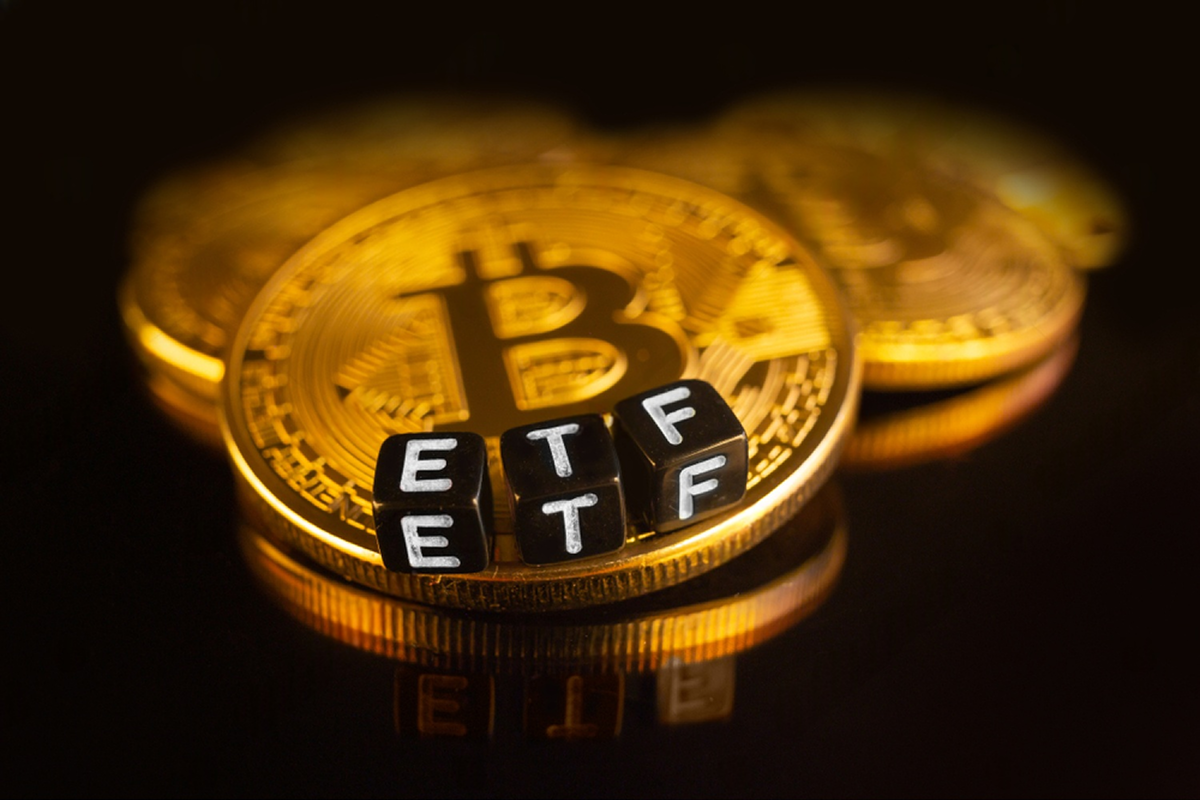
Bitcoin ETFs have become an important part of the cryptocurrency investment market, providing traditional investors with access to Bitcoin through regulated exchange-traded products. ProShares has been one of the most prominent firms in this area, with its Bitcoin Strategy ETF establishing an early institutional bridge between conventional financial markets and the digital-asset market.
How the ProShares Bitcoin ETF Works
The ProShares Bitcoin Strategy ETF, which trades under the ticker BITO, provides exposure to Bitcoin primarily through Bitcoin futures contracts rather than by directly holding the cryptocurrency. This structure allows investors to obtain Bitcoin-related market exposure through a traditional brokerage account without having to manage cryptocurrency wallets, private keys or direct custody of digital assets.
BITO launched in October 2021 and became the first U.S. ETF providing exposure to Bitcoin futures. Because the fund invests in futures, its performance can differ from the spot price of Bitcoin over time. Futures contracts expire and must be replaced, meaning the cost or benefit of rolling contracts can influence the fund’s returns.
Why Bitcoin ETFs Matter to Traditional Investors
The development of Bitcoin ETFs has significantly expanded access to digital assets for investors accustomed to traditional securities markets. ETFs can be held in brokerage and investment accounts alongside stocks, bonds and other funds, reducing some of the operational barriers associated with direct cryptocurrency ownership.
For institutional investors, the ETF structure can also simplify portfolio allocation and reporting. At the same time, Bitcoin remains a highly volatile asset, and an ETF does not eliminate the underlying market risk. A substantial decline in Bitcoin prices can translate directly into significant losses for investors holding Bitcoin-related ETFs.
ProShares has expanded its cryptocurrency product range beyond traditional Bitcoin futures exposure, reflecting broader demand for regulated digital-asset investment products. The company’s products can provide exposure to different aspects of the cryptocurrency market, although each fund has its own investment structure, risks and performance characteristics.
What Investors Should Watch
The performance of a Bitcoin ETF depends on several factors beyond the daily movement of Bitcoin. For futures-based products such as BITO, the shape of the futures curve can influence returns, while management fees and transaction costs can create additional differences compared with the spot market.
The broader macroeconomic environment also remains important. Interest rates, liquidity conditions, regulatory policy and investor risk appetite can influence cryptocurrency prices and flows into digital-asset products. Bitcoin’s growing integration into traditional financial markets means that its performance is increasingly influenced by developments across global capital markets.
Going forward, investors will be watching Bitcoin prices, ETF inflows and outflows, futures-market conditions, regulatory developments and the continued evolution of U.S. digital-asset products. ProShares’ position in the market demonstrates how Bitcoin has moved further into mainstream investment infrastructure, but the significant volatility and structural differences between futures-based ETFs and direct Bitcoin ownership remain central considerations when assessing the asset class.
Comparison, examination, and analysis between investment houses
Leave your details, and an expert from our team will get back to you as soon as possible
* This article, in whole or in part, does not contain any promise of investment returns, nor does it constitute professional advice to make investments in any particular field.
To read more about the full disclaimer, click here
- Arik Arkadi Sluzki
- •
- 5 Min Read
- •
- ago 7 hours
SKN | T. Rowe Price Expands ETF Strategy With Acquisition of Fixed-Income Manager F/m Investments
T. Rowe Price has agreed to acquire F/m Investments as large asset managers continue expanding their presence in exchange-traded
- ago 7 hours
- •
- 5 Min Read

T. Rowe Price has agreed to acquire F/m Investments as large asset managers continue expanding their presence in exchange-traded

- omer bar
- •
- 6 Min Read
- •
- ago 1 day
SKN | Could Silver’s Industrial Demand Strengthen the Case for a Physical Silver ETF?
Silver has gained increasing attention in global markets as investors assess inflation, monetary policy, geopolitical uncertainty and rising demand for
- ago 1 day
- •
- 6 Min Read

Silver has gained increasing attention in global markets as investors assess inflation, monetary policy, geopolitical uncertainty and rising demand for

- Lior mor
- •
- 6 Min Read
- •
- ago 2 days
SKN | Could South Korea’s Technology Rally Support a 3X Leveraged ETF?
South Korea remains a major participant in the global technology supply chain, particularly through its semiconductor, electronics and manufacturing industries.
- ago 2 days
- •
- 6 Min Read
South Korea remains a major participant in the global technology supply chain, particularly through its semiconductor, electronics and manufacturing industries.
- Lior mor
- •
- 6 Min Read
- •
- ago 3 days
SKN | Could a 3X Bear Semiconductor ETF Benefit From a Technology Market Reversal?
The semiconductor industry remains at the center of the global technology investment cycle, supported by demand for artificial intelligence infrastructure,
- ago 3 days
- •
- 6 Min Read
The semiconductor industry remains at the center of the global technology investment cycle, supported by demand for artificial intelligence infrastructure,

