




- Lior mor
- •
- 8 Min Read
- •
- 7 hours ago


Key Points
- GDP data indicates a 1.3% growth in the second quarter, but analysts warn that this figure masks a ballooning deficit and a growing reliance on military spending.
- Russian citizens are feeling the economic pressure, as the consumption of cheap staple goods and substitutes has surged following the erosion of disposable income and the decline in state energy revenues.
- Experts estimate that the financial pressure alone will not bring an end to the war in Ukraine, and may even incentivize the Kremlin to escalate the conflict before reserves run out
.
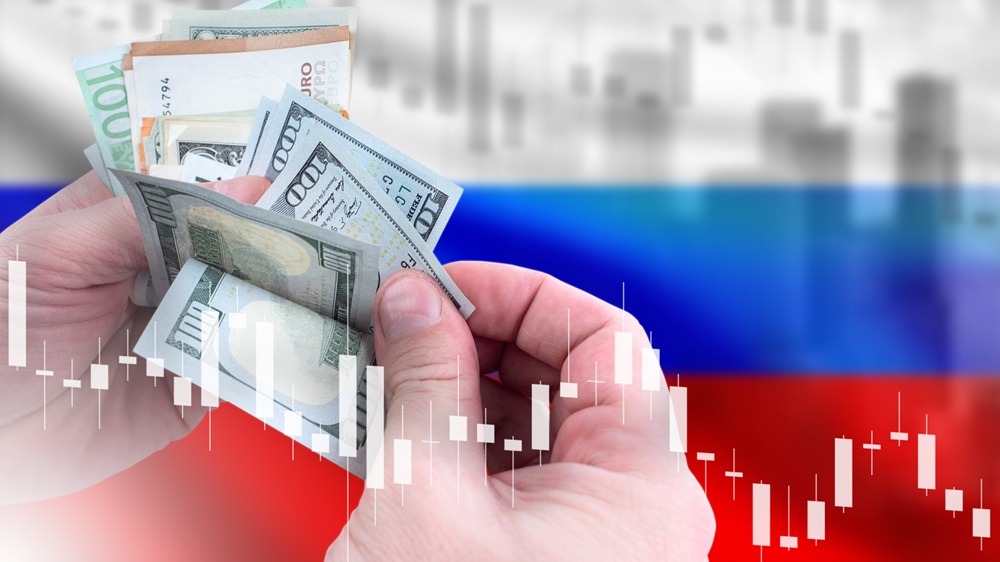
After more than four years of intense war in Ukraine, the Russian economy is demonstrating a resilience that has undermined the skeptics’ forecasts, but beneath the surface, structural cracks are widening. While the defense industry operates at full steam and generates seemingly positive macroeconomic data, the economic pressure is seeping deep into Russian households. This development presents the Kremlin with a complex dilemma, as the prolonged conflict in Eastern Europe, combined with damage to energy infrastructure, necessitates creative financial maneuvering that could impact not only the stability of the domestic market but also the military strategy itself.
The illusion of growth and the deepening budget deficit
For the first time since 2023, the Russian economy has returned to showing growth, with a 1.3% increase in gross domestic product in the second quarter of 2026 and a 0.6% growth in the first half of the year. These figures, which surpassed the forecasts of the government and the central bank, rely heavily on a massive injection of government capital into the military-industrial complex. However, analysts warn that the more reliable indicators for the state of the economy are the deficit and inflation. According to experts, Russia is on a path to double the deficit recorded in 2025, which itself was double that of 2024. This trend is occurring against the backdrop of a sharp erosion in energy revenues, which stood in the first half of 2026 at only 64% of their level in the corresponding period two years ago. The decline stems from a combination of Western sanctions, the European oil price cap, and the impact of Ukrainian drone strikes on Russian oil refineries.
A two-tier economy and the shift in consumer habits
The economic reality in Russia has split into two distinct classes. While workers in the defense industries enjoy employment stability, the rest of the population is coping with a real erosion in their incomes and soaring credit costs. This change is well reflected in the basic consumption habits of the citizens. Russia’s largest retail chain, X5 Group, reported that cookie consumption jumped two and a half times, as consumers seek cheap indulgences as a substitute for more expensive chocolate and confectionery products. At the same time, inflation, which the Kremlin managed to restrain to a target environment of 4% late last year, is rearing its head again, complicating the central bank’s efforts to stabilize purchasing power without harming market activity.
The Kremlin’s dilemma and the threat of escalation
Despite the growing economic challenges, researchers assess that the financial pressure alone will not force Moscow to retreat from the campaign in Ukraine. For the economy to dictate the end of the war, global oil prices would need to plummet to levels of $35 to $40 a barrel—a scenario that currently seems unlikely given the tension in the Middle East between the U.S., Israel, and Iran. However, the economic situation has troubling strategic implications. Experts at the Eurasia Group consulting firm note that the gradual erosion in the Russian treasury, which still holds about $300 billion in accessible reserves (alongside a similar amount frozen in the West), could produce the opposite effect. The fear is that President Vladimir Putin will prefer to escalate the conflict now and strive for a resolution on his terms, rather than wait for resources to deplete in the future.
As Russia is required to maneuver between funding an expensive war machine and maintaining the standard of living of its citizens, the financial markets face a period of vigilance. The real test in the coming months will not be a complete collapse of the Russian economy, which has proven surprising flexibility, but rather the manner in which the growing financial distress will translate into geopolitical decisions. For global investors, this means that energy and commodity markets will continue to be particularly sensitive to any development on the front lines, while factoring in the risk that domestic economic pressure will push the Kremlin into unpredictable military moves.
Comparison, examination, and analysis between investment houses
Leave your details, and an expert from our team will get back to you as soon as possible
* This article, in whole or in part, does not contain any promise of investment returns, nor does it constitute professional advice to make investments in any particular field.
To read more about the full disclaimer, click here
- omer bar
- •
- 7 Min Read
- •
- ago 3 days
SKN | Is the U.S. Financial System Becoming Too Accommodative for the Fed to Ignore?
U.S. financial markets are operating under unusually favorable conditions, with a broad financial-conditions measure reaching its most accommodative level since
- ago 3 days
- •
- 7 Min Read

U.S. financial markets are operating under unusually favorable conditions, with a broad financial-conditions measure reaching its most accommodative level since

- Ronny Mor
- •
- 6 Min Read
- •
- ago 7 days
SKN | Higher Rates for Longer: What It Means for American Consumers
U.S. consumers continue to navigate a complex macroeconomic environment as Wall Street expectations signal that the Federal Reserve could keep
- ago 7 days
- •
- 6 Min Read
U.S. consumers continue to navigate a complex macroeconomic environment as Wall Street expectations signal that the Federal Reserve could keep
- omer bar
- •
- 6 Min Read
- •
- ago 3 weeks
SKN | A Fractured Monetary Landscape: How Global Central Banks Are Navigating Inflation
The latest data on central bank policy rates across the globe paints a complex and fractured picture of the macroeconomic
- ago 3 weeks
- •
- 6 Min Read
The latest data on central bank policy rates across the globe paints a complex and fractured picture of the macroeconomic
- Ronny Mor
- •
- 7 Min Read
- •
- ago 4 weeks
SKN | Moody’s Sees Rising Risks for Indonesia Despite Fiscal Deficit Commitment
Moody's Ratings has reiterated its concerns over Indonesia's fiscal outlook, cautioning that risks to the country's sovereign credit profile continue
- ago 4 weeks
- •
- 7 Min Read
Moody's Ratings has reiterated its concerns over Indonesia's fiscal outlook, cautioning that risks to the country's sovereign credit profile continue


