




- Lior mor
- •
- 7 Min Read
- •
- 12 hours ago


Key Points
- Tapestry's current $0.40 quarterly dividend translates to $1.60 per share annually, requiring 3,750 shares to target $6,000 in yearly dividend income.
- The $500-per-month income target depends on the dividend remaining unchanged, while changes in Tapestry's share price can alter its dividend yield.
- Q4 earnings will be important for evaluating Tapestry's cash generation, dividend sustainability and potential attractiveness to income-focused investors.
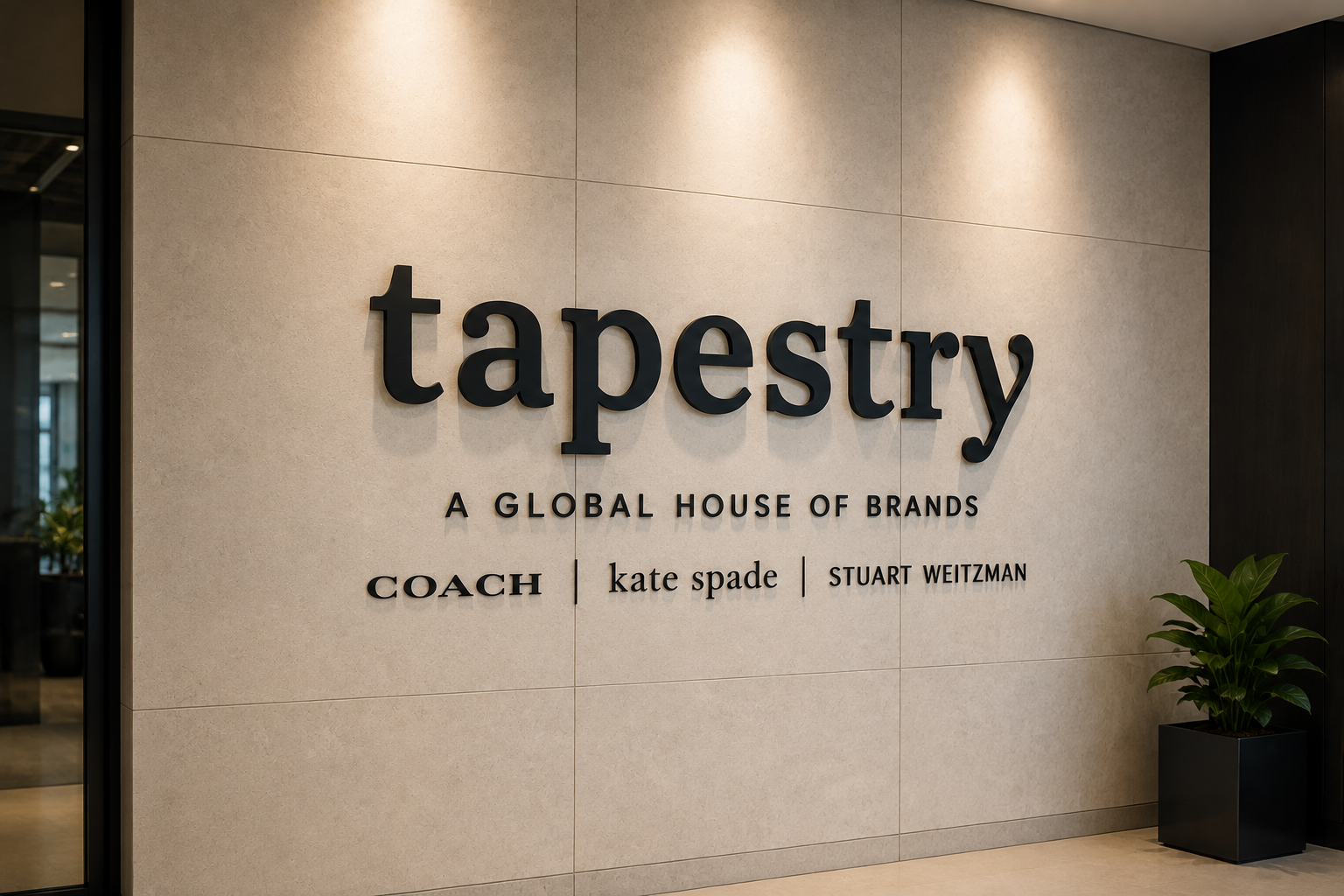
Tapestry, Inc. is heading into its fourth-quarter earnings report with investors watching both operating performance and the income potential of its dividend. With the company scheduled to report before the market opens on Thursday, August 13, the current dividend structure provides a straightforward framework for calculating how much capital would be required to generate $500 a month. However, the exercise also highlights an important distinction between headline dividend income and the risks of relying on a single stock for recurring cash flow.
The Dividend Math Behind a $500 Monthly Target
Tapestry currently pays a quarterly dividend of $0.40 per share, equivalent to $1.60 annually. Based on the figures provided, its dividend yield is approximately 0.97%. An investor seeking $500 per month would need to generate $6,000 in annual dividend income.
Dividing the $6,000 annual target by Tapestry’s $1.60 annual dividend produces a requirement of 3,750 shares. At that level, the investor would receive approximately $1,500 per quarter, assuming the dividend remains unchanged. The calculation provides a useful benchmark, but it should not be interpreted as a guaranteed income stream because both the share price and dividend policy can change.
The required investment would also depend on Tapestry’s stock price when the shares are purchased. Because dividend yield is calculated using the annual dividend divided by the stock price, a higher share price would reduce the yield if the dividend remained unchanged, while a lower stock price would increase it.
Why Q4 Earnings Matter for Income Investors
The upcoming earnings report could influence the attractiveness of Tapestry as an income-producing investment in two ways. First, the company’s financial performance could affect investor expectations for the stock price. Second, longer-term earnings and cash-flow trends are important when assessing whether a dividend can remain sustainable.
A dividend should ultimately be evaluated alongside the company’s ability to generate sufficient cash and maintain its financial position. A static calculation based on today’s $1.60 annual payout does not account for potential increases or reductions in the dividend. If Tapestry raises its dividend while the share price remains stable, the yield and potential income would increase. Conversely, a dividend reduction would lower the amount of income generated from the same 3,750-share position.
This makes the earnings release particularly relevant for investors considering Tapestry as part of an income strategy rather than simply as a short-term trading opportunity.
Portfolio Diversification Remains Critical
The larger issue is concentration risk. Generating $500 a month from one company’s dividend requires substantial exposure to a single business, leaving the investor’s income dependent on Tapestry’s operating performance, dividend policy and share-price volatility.
A diversified income strategy can spread exposure across multiple asset classes, including equities, fixed income, real estate and other investments. Such diversification can reduce dependence on one company’s dividend and potentially create a more resilient income portfolio across different economic environments.
For Tapestry investors, the key is therefore not simply whether 3,750 shares can generate $500 a month today, but whether the company’s earnings and cash generation can support that payout over time.
Market Outlook
Tapestry’s Q4 results could provide important signals about the company’s earnings trajectory and the durability of its shareholder-return strategy. Investors should watch management’s commentary on profitability, cash generation and future capital allocation, as these factors will ultimately determine how sustainable the current dividend is. If earnings remain resilient and the company maintains or increases its payout, Tapestry could become more attractive to income-focused investors. However, weaker operating results or a change in dividend policy would materially alter the $500-per-month calculation. The broader lesson is that dividend income should be assessed through both yield and financial sustainability rather than yield alone.
Comparison, examination, and analysis between investment houses
Leave your details, and an expert from our team will get back to you as soon as possible
* This article, in whole or in part, does not contain any promise of investment returns, nor does it constitute professional advice to make investments in any particular field.
To read more about the full disclaimer, click here
- Ronny Mor
- •
- 7 Min Read
- •
- ago 3 months
SKN | Why South Korea Is Increasing Oversight of Overseas Private Debt Investments
South Korea’s financial regulators are stepping up scrutiny of overseas private debt investments as the country’s pension funds and financial
- ago 3 months
- •
- 7 Min Read

South Korea’s financial regulators are stepping up scrutiny of overseas private debt investments as the country’s pension funds and financial

- omer bar
- •
- 7 Min Read
- •
- ago 4 months
SKN | Is Private Credit Expanding Its Reach as Blue Owl Secures $400 Million in Bond Market Funding?
Blue Owl Private Credit Fund has reportedly raised around $400 million in the bond market, underscoring sustained appetite for private
- ago 4 months
- •
- 7 Min Read
Blue Owl Private Credit Fund has reportedly raised around $400 million in the bond market, underscoring sustained appetite for private

- sagi habasov
- •
- 7 Min Read
- •
- ago 5 months
SKN | Are Colored Gemstones the New Safe-Haven Investment for Wealthy Investors?
Amid rising geopolitical tensions, volatile financial markets, and persistently high inflation, wealthy investors are increasingly turning to an unconventional asset
- ago 5 months
- •
- 7 Min Read
Amid rising geopolitical tensions, volatile financial markets, and persistently high inflation, wealthy investors are increasingly turning to an unconventional asset
- omer bar
- •
- 7 Min Read
- •
- ago 6 months
SKN | Can Equinox Gold’s AI-Driven Discovery at Valentine Unlock a Major Revaluation?
Equinox Gold Corp. (NYSEAMERICAN: EQX) has reignited investor attention after announcing a new artificial intelligence-supported gold discovery at its Valentine
- ago 6 months
- •
- 7 Min Read
Equinox Gold Corp. (NYSEAMERICAN: EQX) has reignited investor attention after announcing a new artificial intelligence-supported gold discovery at its Valentine


