





- Arik Arkadi Sluzki
- •
- 7 Min Read
- •
- 2 hours ago
Key Points
- Global equities moved higher on August 12 as mild U.S. inflation strengthened expectations that the Federal Reserve will keep interest rates unchanged in September.
- Oil prices advanced in volatile trading as investors balanced geopolitical risks and stalled U.S.-Iran talks against weaker global oil demand forecasts.
- The July U.S. consumer-price data showed inflation rising 0.1% after a decline in June, reinforcing expectations for a less restrictive monetary-policy outlook.
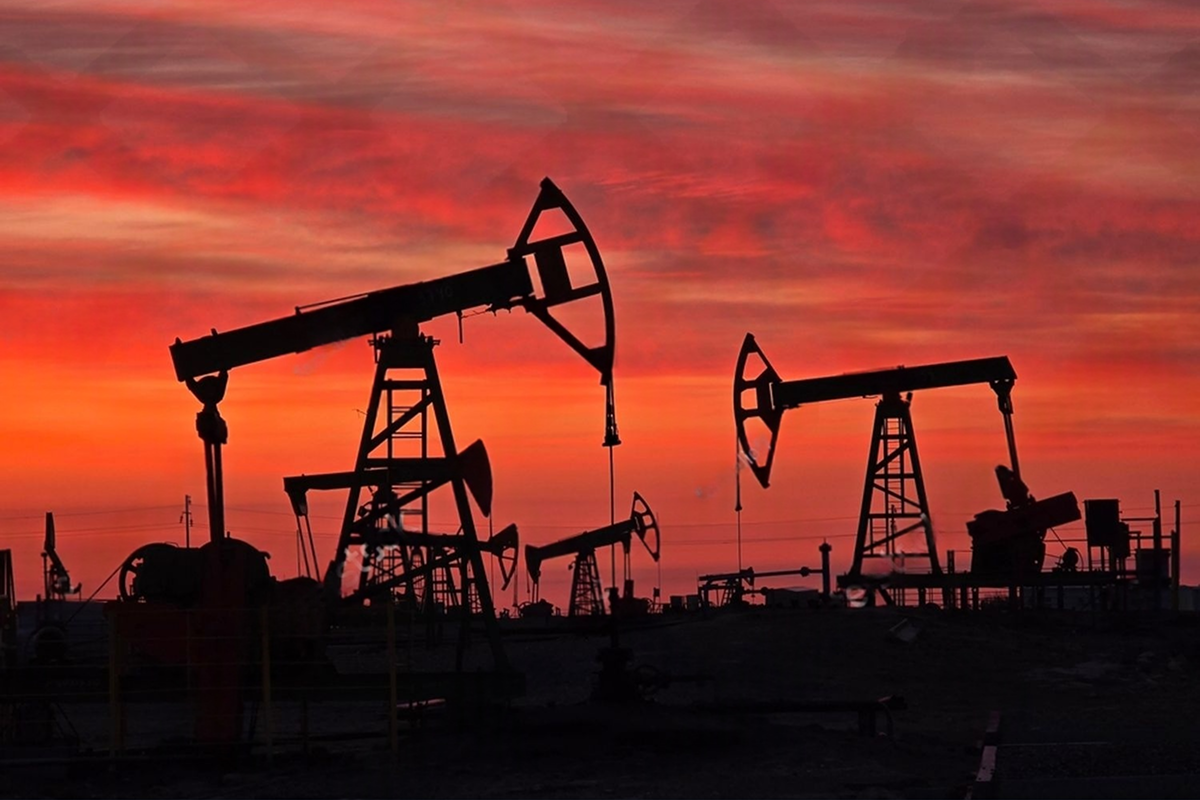
Global financial markets moved higher on Wednesday as softer-than-feared U.S. inflation data reduced expectations for another Federal Reserve rate increase and supported risk appetite. Oil prices also advanced, although trading remained volatile as investors weighed geopolitical developments involving Iran and its regional allies against increasingly cautious forecasts for global oil demand.
Global Stocks Gain as Rate-Hike Expectations Ease
Equity markets benefited from the latest U.S. inflation figures, which showed consumer prices increasing 0.1% in July following a decline in June. The relatively modest increase reduced concerns that inflationary pressure was accelerating sufficiently to force the Federal Reserve into another rate increase at its September meeting.
The data provided support for global equities by improving expectations around financial conditions. Lower expectations for near-term monetary tightening can be particularly significant for growth-oriented companies, whose valuations are more sensitive to changes in interest rates. The market response therefore reflected not only the inflation number itself but also its implications for the future path of U.S. monetary policy.
The improvement in sentiment extended beyond the United States as investors assessed the potential for a more stable interest-rate environment. However, the reaction remains dependent on subsequent inflation and labor-market data, which could alter expectations before the Federal Reserve’s next policy decision.
Oil Prices Rise Despite Weaker Demand Outlook
Oil prices moved higher during a volatile session as traders balanced geopolitical supply risks against weaker demand expectations. The market was particularly sensitive to developments involving the United States, Iran and Yemen’s Iran-aligned Houthis following reports of separate attacks on ships.
Those incidents introduced additional uncertainty into already disrupted energy markets. However, oil prices also faced pressure as investors considered increasingly cautious projections for global consumption. OPEC has recently lowered its forecast for 2026 global oil demand growth for the fourth consecutive time, while the International Energy Agency has taken an even more conservative view of consumption.
This creates a difficult balance for the oil market. Geopolitical disruptions can raise concerns about supply availability and transportation routes, while weaker demand expectations can limit the ability of those risks to generate sustained upward pressure on crude prices.
Geopolitics and Demand Create Conflicting Oil Signals
The latest market movements demonstrate how quickly oil prices can respond to competing forces. Any escalation affecting major shipping routes or regional energy infrastructure could increase the risk premium embedded in crude prices. At the same time, evidence of weaker economic activity or slower fuel consumption could exert downward pressure.
For global investors, the interaction between these factors is increasingly important. Oil prices influence inflation, corporate costs and household purchasing power, meaning sustained changes in energy markets can eventually feed back into expectations for monetary policy and economic growth.
For Israel and other energy-sensitive economies, developments in Middle Eastern supply routes carry additional significance. Disruptions to shipping or regional production can affect energy costs even when underlying global demand remains subdued, creating a potential divergence between geopolitical pricing pressure and broader consumption trends.
Markets Await Further Signals on Rates and Energy
Looking ahead, investors will monitor additional U.S. economic data, Federal Reserve communication and developments surrounding U.S.-Iran negotiations. In oil markets, the next direction will depend on whether geopolitical risks intensify enough to offset weaker demand expectations. For global equities, the sustainability of the latest advance will depend on whether inflation remains sufficiently contained to support stable monetary policy without signaling a sharper deterioration in economic activity. The combination of interest-rate expectations, energy prices and geopolitical developments will therefore remain central to market direction in the coming sessions.
Comparison, examination, and analysis between investment houses
Leave your details, and an expert from our team will get back to you as soon as possible
* This article, in whole or in part, does not contain any promise of investment returns, nor does it constitute professional advice to make investments in any particular field.
To read more about the full disclaimer, click here
- omer bar
- •
- 8 Min Read
- •
- ago 1 hour
SKN | FTSE 100 Extends Losing Streak as Balfour Beatty Surges to Record High
London equities ended slightly lower on August 12, with the FTSE 100 recording its third consecutive decline as investors
- ago 1 hour
- •
- 8 Min Read
London equities ended slightly lower on August 12, with the FTSE 100 recording its third consecutive decline as investors

- orshu
- •
- 9 Min Read
- •
- ago 2 hours
SKN | OPEC Cuts 2026 Oil Demand Forecast Again as Global Consumption Outlook Weakens
OPEC has reduced its forecast for global oil demand growth in 2026 for the fourth consecutive month, pointing to
- ago 2 hours
- •
- 9 Min Read

OPEC has reduced its forecast for global oil demand growth in 2026 for the fourth consecutive month, pointing to

- Lior mor
- •
- 7 Min Read
- •
- ago 2 hours
SKN | AI Optimism Pushes Global Stocks Toward Record Highs as Fed Rate-Hike Odds Ease
Global financial markets moved closer to record territory on August 12 as strong technology earnings and softer expectations for
- ago 2 hours
- •
- 7 Min Read

Global financial markets moved closer to record territory on August 12 as strong technology earnings and softer expectations for

- Ronny Mor
- •
- 7 Min Read
- •
- ago 3 hours
SKN | S&P 500 Rises as CoreWeave Results Reinforce AI Investment Optimism
U.S. stocks ended higher on August 12, with the S&P 500 and Nasdaq advancing as strong earnings and spending
- ago 3 hours
- •
- 7 Min Read

U.S. stocks ended higher on August 12, with the S&P 500 and Nasdaq advancing as strong earnings and spending


