





- Ronny Mor
- •
- 7 Min Read
- •
- 18 hours ago
Key Points
- The U.S. Dollar Index edged up 0.04% to 99.81 as traders awaited July's U.S. consumer inflation report.
- Fed funds futures now price a 48% probability of a September rate increase, down from 58% a week earlier following weaker U.S. employment data.
- The Reserve Bank of Australia kept its cash rate at 4.35% but signaled that another increase could be necessary, highlighting diverging global monetary-policy paths.
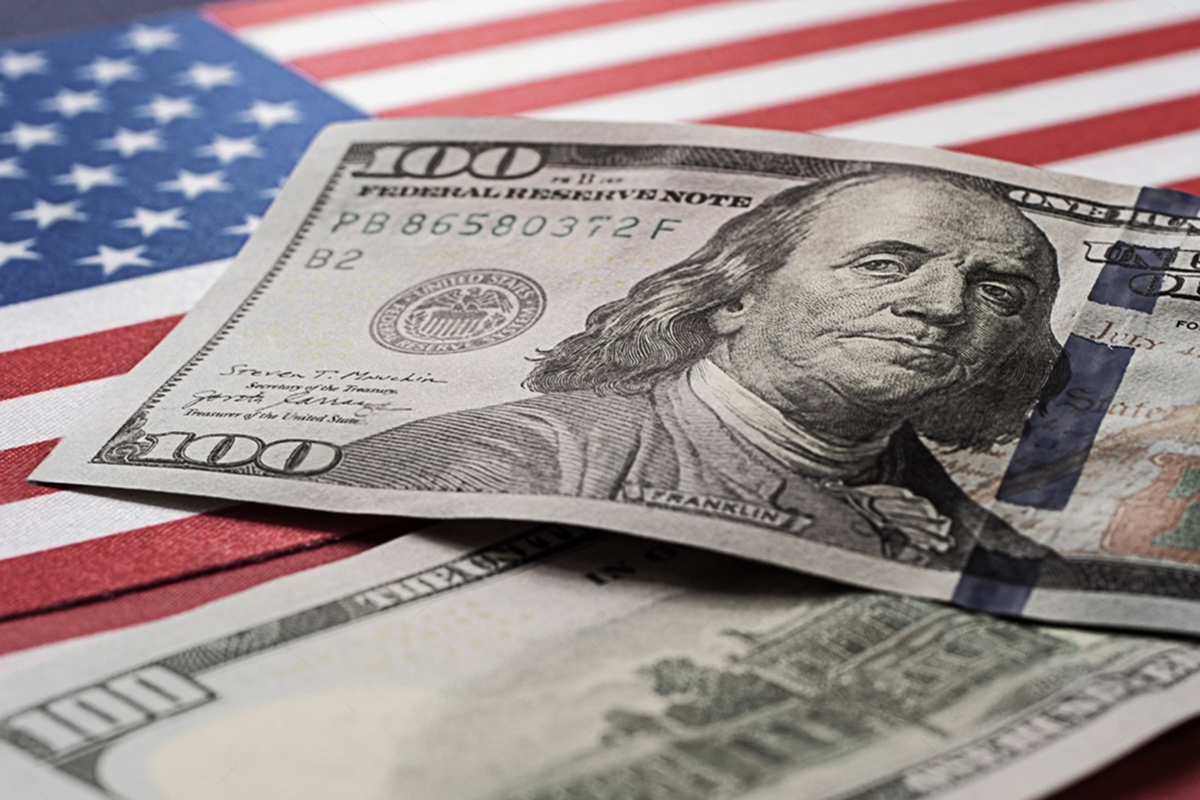
The U.S. dollar held broadly steady on Tuesday as global currency markets entered a cautious session ahead of the U.S. consumer price inflation report for July. The Dollar Index edged up 0.04% to 99.81, while the euro was little changed at $1.1542, with traders reassessing Federal Reserve policy expectations after last week’s unexpectedly weak U.S. employment data.
The inflation report has become the next major test for the dollar because markets have reduced expectations for another Federal Reserve rate increase. Unless price pressures show renewed strength, the combination of softer labor-market conditions and easing inflation could make the case for additional monetary tightening more difficult.
Fed Rate Expectations Shift After Weak Jobs Data
Fed funds futures now imply a 48% probability of a September rate increase, down from 58% one week earlier. The change follows the July employment report, which showed an unexpected decline in payrolls and prompted traders to reassess how much additional monetary tightening the U.S. economy can absorb.
The dollar’s limited reaction indicates that investors are not yet committing to a decisive change in the U.S. rate outlook. A stronger-than-expected inflation reading could revive expectations for higher rates and potentially support the dollar, while evidence of continued disinflation could reinforce the recent reduction in rate-hike expectations.
Yen Remains Under Pressure Despite Intervention
The Japanese yen remains an important variable for global foreign-exchange markets. The currency has struggled to maintain the gains generated by recent coordinated intervention by Japanese and U.S. authorities, with analysts warning that intervention alone may have limited lasting impact without stronger underlying fundamentals or a clearer shift in Bank of Japan policy.
The Bank of Japan’s policy outlook has nevertheless become more significant. Recent reporting indicates that several policymakers supported a faster pace of rate increases, while higher import costs, elevated energy prices and the weak yen have increased inflation risks. That creates a potential divergence between U.S. and Japanese monetary policy that could influence dollar-yen trading in the coming weeks.
Australia Highlights Diverging Global Policy Paths
Australia provided another example of the increasingly complex global monetary-policy environment. The Reserve Bank of Australia kept its cash rate at 4.35% but warned that another increase remained possible if inflation risks intensified. The Australian dollar subsequently gained modestly, reflecting the relatively hawkish tone from policymakers.
The divergence matters for currency markets because central banks are responding to different combinations of inflation, employment and domestic demand. While weaker U.S. payrolls have reduced expectations for a September Federal Reserve hike, Australia’s central bank remains prepared to tighten policy if price pressures persist. This creates a more complicated environment for global currency allocation and interest-rate differentials.
Looking ahead, the July U.S. CPI report will be the immediate catalyst for the dollar, with traders likely to focus particularly on whether underlying inflation confirms or challenges the recent shift in Fed expectations. Treasury yields, oil prices and further signals from Federal Reserve officials will also matter, while developments in Japan and Australia could influence broader currency positioning. A softer inflation reading could reinforce expectations for a more restrained Fed, whereas renewed price pressure could quickly restore the prospect of higher U.S. rates and provide fresh support for the dollar.
Comparison, examination, and analysis between investment houses
Leave your details, and an expert from our team will get back to you as soon as possible
* This article, in whole or in part, does not contain any promise of investment returns, nor does it constitute professional advice to make investments in any particular field.
To read more about the full disclaimer, click here
- sagi habasov
- •
- 6 Min Read
- •
- ago 11 hours
SKN | Dollar Holds Steady as Markets Await US Inflation Data for Federal Reserve Clues
The US dollar is moving in a narrow range as investors await new US inflation data for clues about the
- ago 11 hours
- •
- 6 Min Read

The US dollar is moving in a narrow range as investors await new US inflation data for clues about the

- omer bar
- •
- 6 Min Read
- •
- ago 11 hours
SKN | Will US Treasury Yields Fall? Strategists Grow Less Certain About the Bond Market Outlook
US Treasury yields remain caught between expectations for slower economic growth and persistent inflation and fiscal pressures. Strategists continue to
- ago 11 hours
- •
- 6 Min Read

US Treasury yields remain caught between expectations for slower economic growth and persistent inflation and fiscal pressures. Strategists continue to
- sagi habasov
- •
- 7 Min Read
- •
- ago 18 hours
SKN | Gold Holds Near Two-Month High as Markets Await U.S. Inflation Data
Gold edged lower on Tuesday but remained close to its highest level in more than two months as investors
- ago 18 hours
- •
- 7 Min Read

Gold edged lower on Tuesday but remained close to its highest level in more than two months as investors

- Ramil
- •
- 7 Min Read
- •
- ago 2 days
SKN | FTSE 100 Pauses After Four-Week Rally as Imperial Brands Slumps and GDP Data Looms
London equities began the week on a softer footing as investors paused after a sustained rally and reassessed corporate
- ago 2 days
- •
- 7 Min Read

London equities began the week on a softer footing as investors paused after a sustained rally and reassessed corporate


