




- Ronny Mor
- •
- 6 Min Read
- •
- 2 months ago


Key Points
- SPDR Gold Shares (GLD) provides exchange-traded exposure to physical gold prices without requiring investors to directly hold or store bullion.
- Gold prices remain sensitive to interest rates, inflation expectations, US dollar movements, central-bank activity and geopolitical uncertainty.
- GLD’s large asset base and liquidity have made it an important vehicle for investors seeking exposure to the global gold market.

Gold continues to play an important role in global financial markets as investors assess inflation, monetary policy, currency movements and geopolitical risks. SPDR Gold Shares, traded under the ticker GLD, provides investors with a liquid exchange-traded vehicle designed to track the performance of gold bullion, making it one of the most prominent ways to gain market exposure to the precious metal.
How SPDR Gold Shares Tracks Gold Prices
SPDR Gold Shares is designed to reflect the performance of gold bullion, less the fund’s expenses. The ETF was launched in November 2004 and was among the first US-listed exchange-traded products backed by physical gold. Its structure allows investors to gain exposure to changes in gold prices through an exchange-traded security rather than purchasing, storing and insuring physical bullion themselves.
The fund’s scale has helped establish it as a major participant in the gold-investment market. Its large asset base and trading activity also provide investors with a mechanism for adjusting exposure to gold during changing market conditions. However, the ETF remains subject to the underlying price movements of gold and does not eliminate the volatility associated with the commodity.
Interest Rates, Inflation and the US Dollar Matter
GLD’s performance is closely connected to the macroeconomic forces influencing gold prices. Interest rates are particularly important because gold does not generate interest income. When real yields rise, the opportunity cost of holding gold can increase, while expectations for lower interest rates can improve the relative appeal of the precious metal.
The US dollar is another significant factor. Gold is primarily priced in dollars, meaning movements in the currency can influence international demand and the value of gold for investors using other currencies. Inflation expectations, central-bank purchases and geopolitical uncertainty can also affect investor demand.
These factors can create periods of significant price movement. Gold may attract greater attention when investors are concerned about monetary stability, geopolitical tensions or the purchasing power of currencies. Conversely, stronger real yields, a firmer dollar or reduced uncertainty can weaken some of the forces supporting gold demand.
What GLD Means for Israeli and Global Investors
For investors in Israel, GLD provides exposure to an international commodity whose performance is influenced by global rather than domestic economic conditions. Its movements can therefore reflect changes in US monetary policy, international capital flows, inflation expectations and geopolitical developments. Israeli investors must also consider the impact of the US dollar against the shekel when evaluating GLD returns in local-currency terms.
The ETF also carries expenses that gradually reduce its return relative to the underlying gold price. In addition, owning GLD is different from directly holding physical gold, as investors hold shares in an exchange-traded trust rather than bullion in personal possession.
Looking ahead, the outlook for GLD will depend on the interaction between gold prices, interest-rate expectations, dollar movements, central-bank demand and geopolitical developments. For global and Israeli investors, the key issue will be whether these forces continue to support demand for gold while changing monetary conditions reshape the broader investment landscape.
Comparison, examination, and analysis between investment houses
Leave your details, and an expert from our team will get back to you as soon as possible
* This article, in whole or in part, does not contain any promise of investment returns, nor does it constitute professional advice to make investments in any particular field.
To read more about the full disclaimer, click here
- omer bar
- •
- 6 Min Read
- •
- ago 2 days
SKN | Semiconductor Rally and Leverage: What Drives SOXL’s Performance?
Semiconductor stocks remain closely tied to global investment in artificial intelligence, data centers and advanced computing, but the sector’s rapid
- ago 2 days
- •
- 6 Min Read

Semiconductor stocks remain closely tied to global investment in artificial intelligence, data centers and advanced computing, but the sector’s rapid

- Ronny Mor
- •
- 6 Min Read
- •
- ago 3 days
SKN | Natural Gas Under Pressure: What Does BOIL Mean for Leveraged Exposure?
The U.S. natural gas market is entering the heating season with inventories above the five-year average, while domestic production remains
- ago 3 days
- •
- 6 Min Read

The U.S. natural gas market is entering the heating season with inventories above the five-year average, while domestic production remains

- Lior mor
- •
- 6 Min Read
- •
- ago 5 days
SKN | Bitcoin’s Institutional Investment Channel: What Is Driving IBIT?
Spot Bitcoin ETFs have established a new channel for investors seeking cryptocurrency exposure through traditional brokerage accounts and exchange-traded products.
- ago 5 days
- •
- 6 Min Read
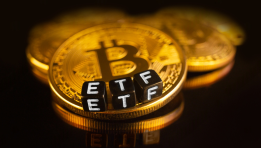
Spot Bitcoin ETFs have established a new channel for investors seeking cryptocurrency exposure through traditional brokerage accounts and exchange-traded products.
- omer bar
- •
- 6 Min Read
- •
- ago 6 days
SKN | AI and Chip Demand Drive Semiconductor Stocks: What Does SMH Offer Investors?
The global semiconductor industry remains at the center of the investment cycle surrounding artificial intelligence, data centers and advanced computing.
- ago 6 days
- •
- 6 Min Read
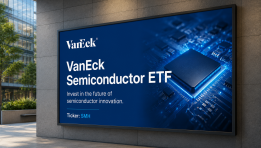
The global semiconductor industry remains at the center of the investment cycle surrounding artificial intelligence, data centers and advanced computing.
