





- omer bar
- •
- 7 Min Read
- •
- 6 hours ago
Key Points
- JPMorgan CEO Jamie Dimon warned that the US dollar could eventually lose its global reserve-currency position if the United States weakens economically and strategically.
- The dollar remains dominant in global reserves, foreign exchange, trade and international finance, but its share of official reserves has declined from historical highs.
- Fiscal deficits, geopolitical fragmentation, US policy credibility and the emergence of alternative financial systems could shape the dollar’s long-term position.
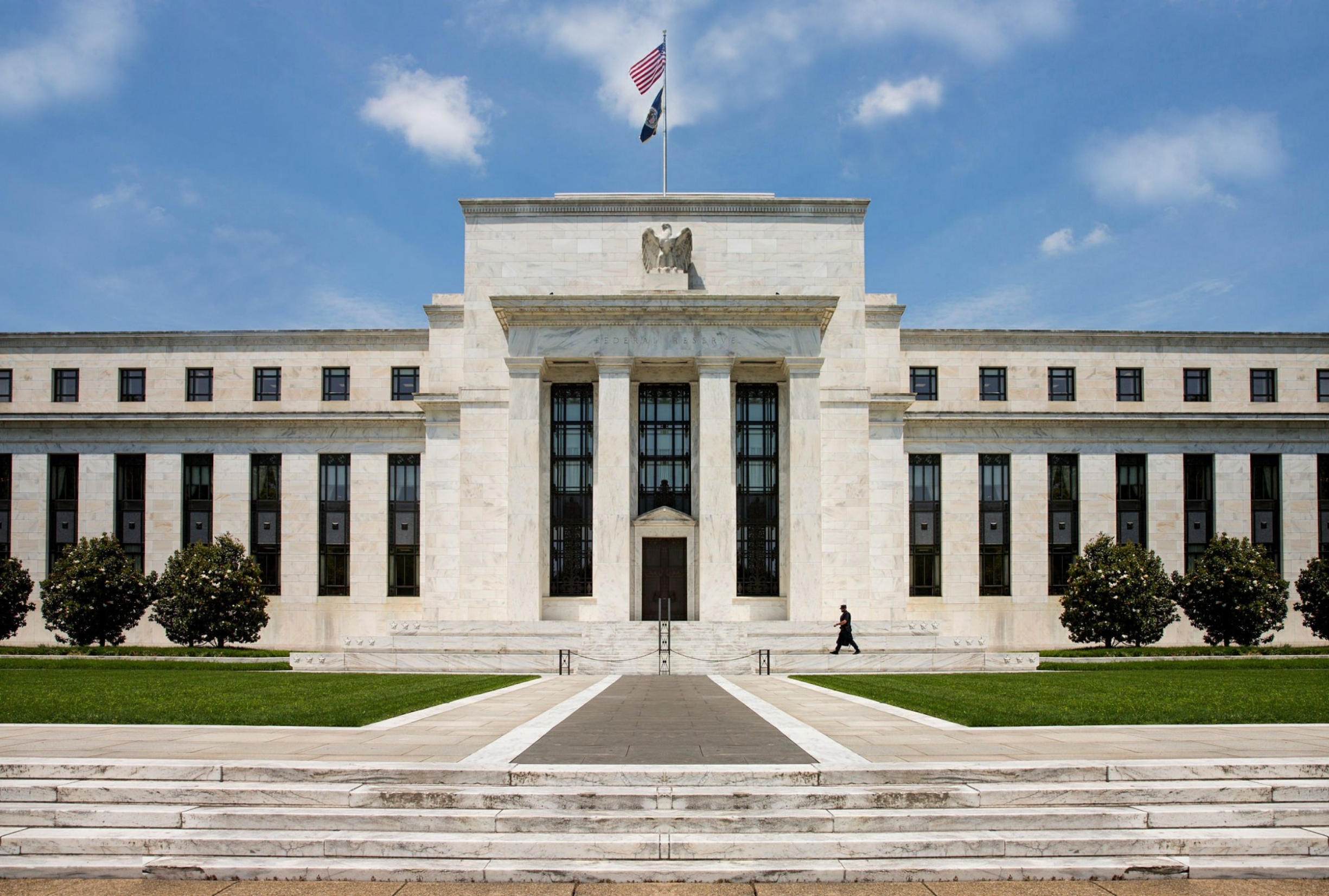
JPMorgan Chase CEO Jamie Dimon has renewed concerns about the long-term future of the US dollar, warning that the currency could lose its global reserve status if the United States fails to maintain its economic and strategic strength. His comments come as investors and central banks increasingly debate whether gradual diversification away from dollar assets represents a temporary adjustment or the beginning of a longer structural shift in global finance.
Dimon Links Dollar Dominance to US Economic and Strategic Strength
Dimon’s argument is broader than a conventional currency forecast. He has emphasized that the dollar’s international role is closely connected to the United States’ economic power, financial markets, geopolitical influence and military capabilities. In his view, a significant deterioration in these foundations could eventually weaken international confidence in the currency.
The dollar still occupies a dominant position in global finance. It remains the most widely used currency in foreign exchange transactions and is the leading currency in official foreign-exchange reserves. However, its share of global reserves has declined significantly from around 70% in 2000 to roughly 57% in recent years. The decline does not mean that the dollar is close to losing reserve status, but it demonstrates that reserve managers have gradually diversified their holdings.
Why Reserve-Currency Status Matters for the US Economy
The dollar’s reserve-currency role provides the United States with significant economic advantages. Global demand for dollar assets supports deep and liquid US financial markets and creates a large international market for Treasury securities. It also allows the United States to finance substantial amounts of government and private-sector borrowing through a financial system that remains central to global capital flows.
A meaningful loss of reserve-currency status could therefore have consequences extending beyond foreign exchange markets. Reduced international demand for dollar assets could increase US borrowing costs, place downward pressure on the currency and reduce some of the financial advantages associated with issuing the world’s dominant reserve currency.
At the same time, replacing the dollar would be difficult. The euro lacks a unified fiscal and capital-market structure comparable to the United States, while China’s renminbi remains constrained by capital controls and other structural limitations. This means that a gradual move toward a more diversified reserve system may be more realistic than a sudden transition to a single replacement currency.
Could De-Dollarization Accelerate?
Several forces could influence the pace of change over the next two decades. Rising US government debt, persistent fiscal deficits, geopolitical tensions and the use of financial sanctions have encouraged some countries to reduce their exposure to dollar-based systems. Gold accumulation, alternative payment networks and growing interest in digital financial infrastructure could also contribute to diversification.
For investors in Israel, the issue is relevant because changes in the dollar’s global role can affect foreign-exchange markets, US Treasury yields, commodity prices and international asset valuations. Israeli portfolios with substantial exposure to US markets can therefore be affected by long-term changes in dollar liquidity and global capital flows.
Looking ahead, the key question is unlikely to be whether the dollar suddenly loses its reserve status, but whether its dominance gradually erodes over the next 10 to 25 years. Investors will be watching US fiscal policy, Treasury demand, central-bank reserve allocations, geopolitical developments and the growth of alternative payment and financial systems. The dollar’s continued dominance remains supported by the depth of US capital markets, but maintaining that position will depend increasingly on confidence in the economic and institutional foundations behind the currency.
Comparison, examination, and analysis between investment houses
Leave your details, and an expert from our team will get back to you as soon as possible
* This article, in whole or in part, does not contain any promise of investment returns, nor does it constitute professional advice to make investments in any particular field.
To read more about the full disclaimer, click here
- sagi habasov
- •
- 7 Min Read
- •
- ago 2 days
SKN | Japan’s Yen Defense Faces a Tough Test as Currency Weakness Persists Despite Massive Intervention
Japan's currency defense is facing renewed scrutiny as the yen continues to trade at historically weak levels despite years
- ago 2 days
- •
- 7 Min Read

Japan's currency defense is facing renewed scrutiny as the yen continues to trade at historically weak levels despite years

- Lior mor
- •
- 8 Min Read
- •
- ago 2 days
SKN | Big Tech Credit Risk Rises as AI Spending Pushes Corporate Debt Costs Higher
Credit markets are increasingly scrutinizing the cost of financing the artificial intelligence buildout as major technology companies commit hundreds
- ago 2 days
- •
- 8 Min Read
Credit markets are increasingly scrutinizing the cost of financing the artificial intelligence buildout as major technology companies commit hundreds

- omer bar
- •
- 6 Min Read
- •
- ago 4 days
SKN | Dollar Edges Higher as Markets Await Iran Deal Developments and Key U.S. Jobs Report
The foreign exchange market traded cautiously on Thursday as investors balanced geopolitical uncertainty surrounding potential U.S.-Iran negotiations with anticipation
- ago 4 days
- •
- 6 Min Read
The foreign exchange market traded cautiously on Thursday as investors balanced geopolitical uncertainty surrounding potential U.S.-Iran negotiations with anticipation

- Ronny Mor
- •
- 7 Min Read
- •
- ago 5 days
SKN | Yen Stabilizes After Historic Intervention as Dollar Hovers Near Six-Week Low
The foreign exchange market remained relatively stable on Wednesday as the Japanese yen held onto gains following historic intervention
- ago 5 days
- •
- 7 Min Read
The foreign exchange market remained relatively stable on Wednesday as the Japanese yen held onto gains following historic intervention


