





- Lior mor
- •
- 6 Min Read
- •
- 5 hours ago
Key Points
- Oil prices moved higher as uncertainty over plans to reopen the Strait of Hormuz renewed concerns about the security of global energy supplies.
- The strategic waterway is critical to international oil flows, making shipping conditions and geopolitical developments important drivers of crude-price volatility.
- Investors are monitoring OPEC+ policy, global inventories, shipping activity, and inflation risks as markets assess the potential impact of prolonged disruptions.
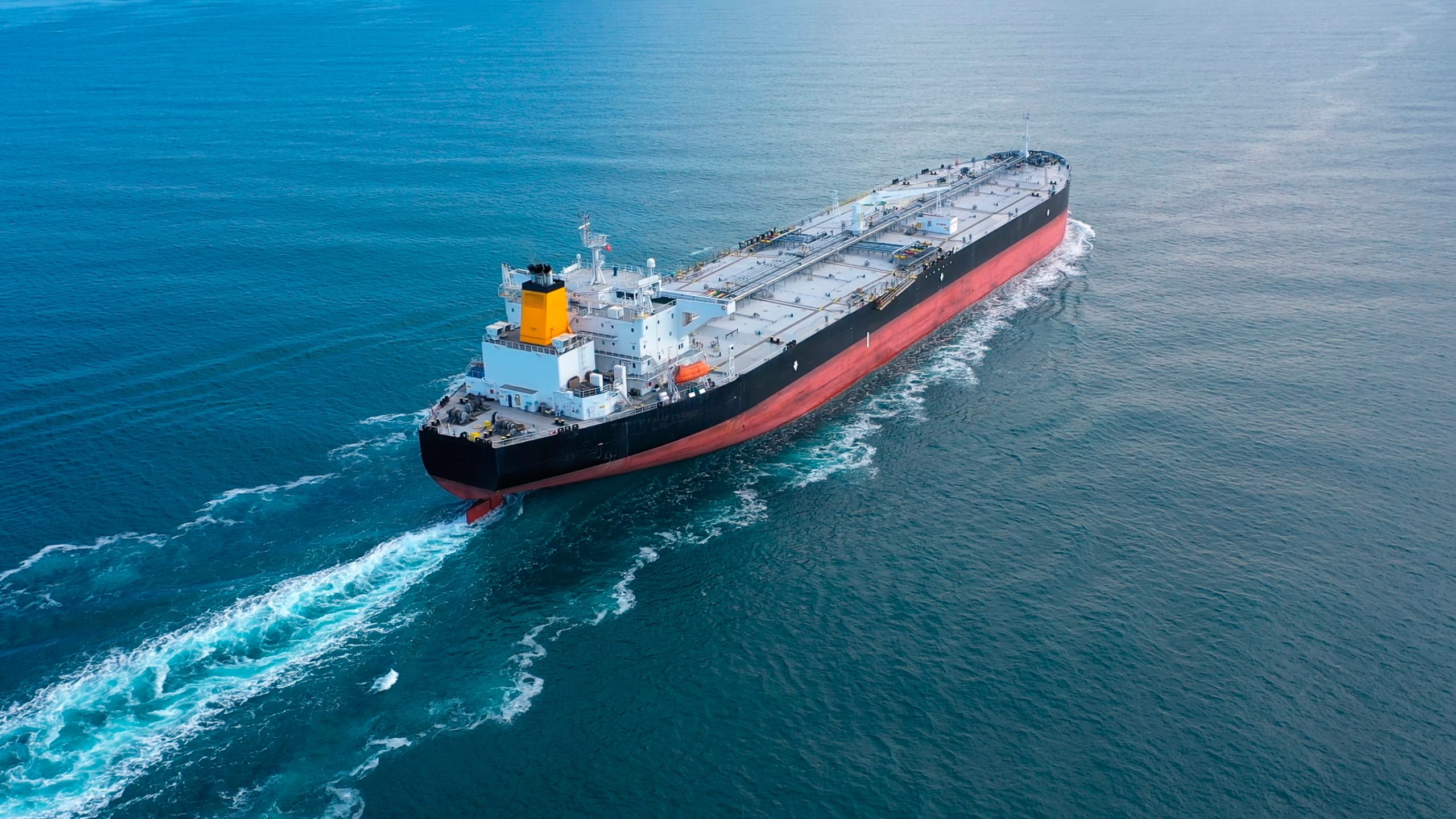
Oil prices rose as markets continued to assess uncertainty surrounding the reopening of the Strait of Hormuz, one of the world’s most important energy corridors. The move highlights the sensitivity of global crude markets to geopolitical developments, particularly when disruptions threaten transportation routes connecting major oil-producing countries with international consumers.
Hormuz Uncertainty Keeps Geopolitical Risk in Oil Prices
The Strait of Hormuz remains central to global energy security because a significant share of internationally traded crude oil and petroleum products passes through the waterway. Major energy exporters in the Gulf, including Saudi Arabia, Iraq, the United Arab Emirates, Kuwait and Qatar, rely heavily on routes connected to the strait to reach global markets.
Uncertainty over when and how normal shipping activity can resume has therefore kept a risk premium in crude prices. Even when physical supply remains available, concerns over tanker movements, insurance costs, shipping delays and infrastructure security can increase the cost of delivering energy to consumers.
For oil traders, the key issue is whether reopening efforts lead to a sustained return to normal shipping conditions or whether additional geopolitical developments create further disruptions. Any prolonged uncertainty could keep volatility elevated across energy markets.
Supply Fundamentals Remain Critical for Crude Prices
Geopolitical risks are only one part of the oil-price equation. Investors are also assessing global supply and demand, OPEC+ production decisions, U.S. crude output, refinery activity and inventory levels.
A sustained normalization of shipping through the Strait of Hormuz could eventually reduce the geopolitical premium embedded in oil prices and shift market attention back toward underlying supply fundamentals. Higher production or weaker global demand could place downward pressure on crude prices if physical markets become adequately supplied.
However, the opposite scenario could emerge if disruptions persist while demand remains resilient. Restrictions on energy transportation could tighten regional supply balances and increase costs for refiners and fuel consumers. The impact would extend beyond crude markets to transportation, manufacturing, logistics and other energy-intensive industries.
Implications for Inflation and Israeli Investors
Higher oil prices can have broader macroeconomic consequences because energy costs influence transportation, production and consumer prices. If crude prices remain elevated for an extended period, inflation expectations could come under renewed pressure, potentially complicating monetary-policy decisions in major economies.
For investors in Israel, global oil-market developments are relevant because changes in energy prices can influence inflation, import costs, corporate expenses and the performance of energy-sensitive industries. International movements in commodities can also affect global equity markets, currencies and bond yields, creating broader implications for diversified portfolios.
Looking ahead, investors will closely monitor developments surrounding the Strait of Hormuz, shipping activity, diplomatic efforts, OPEC+ production policy and global oil inventories. The direction of crude prices will depend on whether transportation conditions normalize or geopolitical risks continue to constrain energy flows, with the balance between supply security and global demand remaining central to the market outlook.
Comparison, examination, and analysis between investment houses
Leave your details, and an expert from our team will get back to you as soon as possible
* This article, in whole or in part, does not contain any promise of investment returns, nor does it constitute professional advice to make investments in any particular field.
To read more about the full disclaimer, click here
- sagi habasov
- •
- 6 Min Read
- •
- ago 2 days
SKN | Gold Bulls Return as Falling Yields Revive Bullish Bets on the Precious Metal
Gold markets are showing renewed signs of bullish positioning after a prolonged period of consolidation, with investors turning aggressively
- ago 2 days
- •
- 6 Min Read

Gold markets are showing renewed signs of bullish positioning after a prolonged period of consolidation, with investors turning aggressively

- Ronny Mor
- •
- 7 Min Read
- •
- ago 2 days
SKN | Gold Climbs to Seven-Week High as Weak U.S. Jobs Report Reshapes Fed Expectations
Gold prices extended their recent rally on Friday, reaching their highest level in seven weeks after disappointing U.S. labor
- ago 2 days
- •
- 7 Min Read
Gold prices extended their recent rally on Friday, reaching their highest level in seven weeks after disappointing U.S. labor

- Lior mor
- •
- 6 Min Read
- •
- ago 3 days
SKN | Trump’s Polysilicon Tariffs and Price Floors Could Reshape the Global Solar Supply Chain
The Trump administration’s decision to introduce tariffs and price floor measures for polysilicon is creating new uncertainty across global solar
- ago 3 days
- •
- 6 Min Read
The Trump administration’s decision to introduce tariffs and price floor measures for polysilicon is creating new uncertainty across global solar
- sagi habasov
- •
- 6 Min Read
- •
- ago 3 days
SKN | Why Are Oil Prices Rising? Strait of Hormuz Reopening Uncertainty Keeps Energy Markets on Edge
Oil prices climbed as markets assessed uncertainty surrounding potential plans to reopen the Strait of Hormuz, one of the world's
- ago 3 days
- •
- 6 Min Read
Oil prices climbed as markets assessed uncertainty surrounding potential plans to reopen the Strait of Hormuz, one of the world's


