





- Lior mor
- •
- 7 Min Read
- •
- 2 hours ago
Key Points
- Iran is reportedly considering allowing European participation in mine-clearing operations in the Strait of Hormuz, a critical global energy shipping route.
- Financial markets are closely monitoring developments as any improvement in maritime security could reduce energy supply disruption risks and ease geopolitical premiums in oil prices.
- Despite the reported discussions, investors remain cautious as the situation remains fluid and dependent on diplomatic progress and regional security conditions.
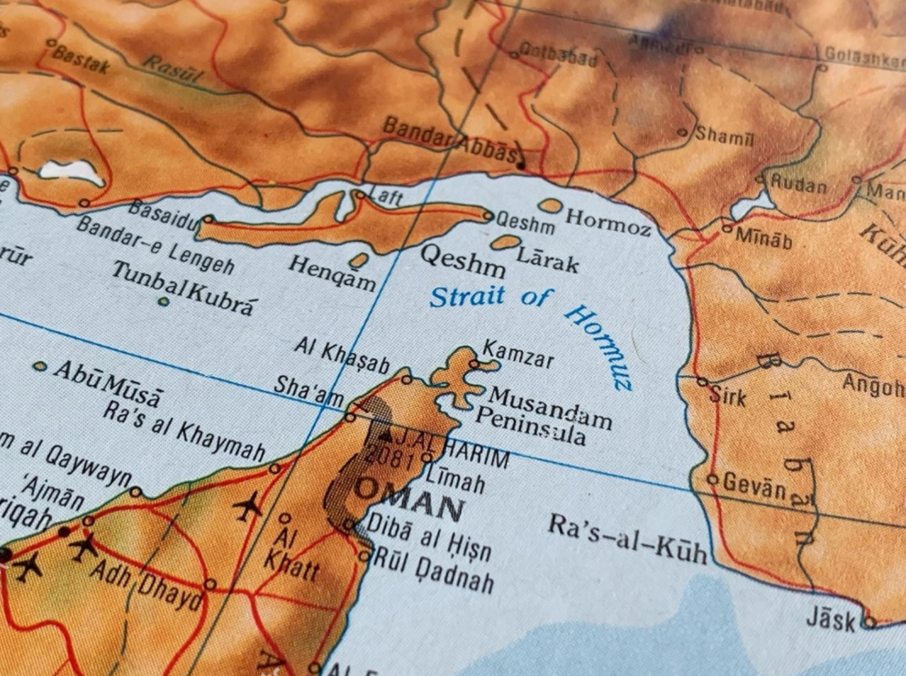
The Strait of Hormuz returned to the center of investor attention this week following reports that Iran is weighing whether to allow European countries to participate in clearing naval mines from the strategic waterway. Although no final agreement has been confirmed, the development has attracted significant interest across energy, shipping, and financial markets because nearly one-fifth of global oil consumption typically passes through the narrow maritime corridor.
The discussions come as investors continue to assess geopolitical risks across the Middle East while balancing expectations for global economic growth, inflation, and central bank policy. Any indication that maritime security could improve has implications well beyond the energy sector, influencing commodity prices, freight costs, and broader market sentiment.
Energy Markets Closely Monitor Maritime Security
The Strait of Hormuz remains one of the world’s most strategically important energy chokepoints, serving as a primary export route for crude oil and liquefied natural gas produced by Gulf nations. Even limited disruptions to commercial shipping can tighten global energy supplies and contribute to higher transportation and insurance costs.
Reports that Iran is evaluating European involvement in mine-clearing operations have been interpreted by some market participants as a potentially constructive diplomatic signal. However, the proposal remains subject to political negotiations and operational agreements, meaning investors continue to price in a degree of uncertainty. Until concrete implementation is confirmed, the geopolitical risk premium embedded in energy markets is unlikely to disappear entirely.
Global Markets Balance Optimism with Geopolitical Risks
Equity and commodity markets generally respond quickly to developments affecting energy security because fluctuations in oil prices influence inflation expectations, corporate profitability, and monetary policy assumptions. Lower geopolitical tensions could reduce upward pressure on energy costs, while renewed instability could quickly reverse recent market optimism.
Institutional investors are therefore monitoring not only diplomatic negotiations but also broader regional developments involving shipping security, international naval cooperation, and relations between Iran and Western governments. Fiscal policy, currency movements, and evolving trade dynamics continue to add complexity to the macroeconomic outlook.
Implications for Israeli and International Investors
For Israeli investors, developments surrounding the Strait of Hormuz carry particular significance given the country’s proximity to the region and the broader implications for global financial markets. Energy prices directly affect inflation, transportation costs, and corporate operating expenses, while heightened geopolitical tensions can influence investor sentiment across both domestic and international markets.
Global institutional investors likewise continue to evaluate how changes in maritime security could affect commodity markets, shipping companies, energy producers, and multinational corporations with significant exposure to international supply chains. Maintaining diversified portfolios remains an important consideration as geopolitical developments continue to evolve.
Outlook: The near-term outlook remains highly dependent on diplomatic developments and whether discussions regarding European participation in mine-clearing operations translate into concrete agreements. Successful coordination could help reduce uncertainty surrounding one of the world’s most critical energy corridors and support greater stability across commodity markets. However, downside risks remain significant, including the possibility of renewed regional tensions, delays in diplomatic negotiations, or unexpected security incidents that could disrupt shipping activity and reintroduce volatility into energy and financial markets. Investors are therefore likely to continue monitoring geopolitical developments alongside economic data, central bank policy, and global trade conditions before reassessing broader market expectations.
Comparison, examination, and analysis between investment houses
Leave your details, and an expert from our team will get back to you as soon as possible
* This article, in whole or in part, does not contain any promise of investment returns, nor does it constitute professional advice to make investments in any particular field.
To read more about the full disclaimer, click here
- Arik Arkadi Sluzki
- •
- 6 Min Read
- •
- ago 3 hours
SKN | Procter & Gamble Expands Health Ambitions with $3.8 Billion Thorne Acquisition
Procter & Gamble (P&G) is making a significant strategic expansion into the rapidly growing nutritional supplements market through its planned
- ago 3 hours
- •
- 6 Min Read
Procter & Gamble (P&G) is making a significant strategic expansion into the rapidly growing nutritional supplements market through its planned

- Ronny Mor
- •
- 6 Min Read
- •
- ago 8 hours
SKN | Trump Signals Final Push for Iran Talks as Markets Assess Geopolitical Risks and Regional Stability
U.S. President Donald Trump's warning that negotiations with Iran represent a potential final opportunity to end the conflict has
- ago 8 hours
- •
- 6 Min Read
U.S. President Donald Trump's warning that negotiations with Iran represent a potential final opportunity to end the conflict has

- orshu
- •
- 9 Min Read
- •
- ago 11 hours
SKN | Tel Aviv Stocks Advance as TA-35 Leads Gains While Market Breadth Remains Selective
Tel Aviv financial markets are trading with a positive headline performance but mixed internal dynamics as investors continue to differentiate
- ago 11 hours
- •
- 9 Min Read

Tel Aviv financial markets are trading with a positive headline performance but mixed internal dynamics as investors continue to differentiate
- orshu
- •
- 8 Min Read
- •
- ago 17 hours
SKN | Global Markets Wrap: August 3, 2026 Rally Drives U.S. and European Stocks Higher While Tel Aviv Falls and Asia Splits – Outlook Ahead of August 4 Trading
Global markets closed August 3, 2026, with a positive tone as investors increased exposure to U.S. and European equities while
- ago 17 hours
- •
- 8 Min Read

Global markets closed August 3, 2026, with a positive tone as investors increased exposure to U.S. and European equities while


