





- Ronny Mor
- •
- 6 Min Read
- •
- 16 hours ago
Key Points
- The U.S. Treasury has raised its third-quarter borrowing estimate to **$739 billion**, reflecting higher federal financing needs and changing cash flow projections.
- Increased Treasury issuance could influence bond yields, liquidity conditions, and investor expectations for interest rates and government debt.
- Global investors are monitoring fiscal policy, Federal Reserve decisions, and Treasury auction demand to assess the impact on financial markets.
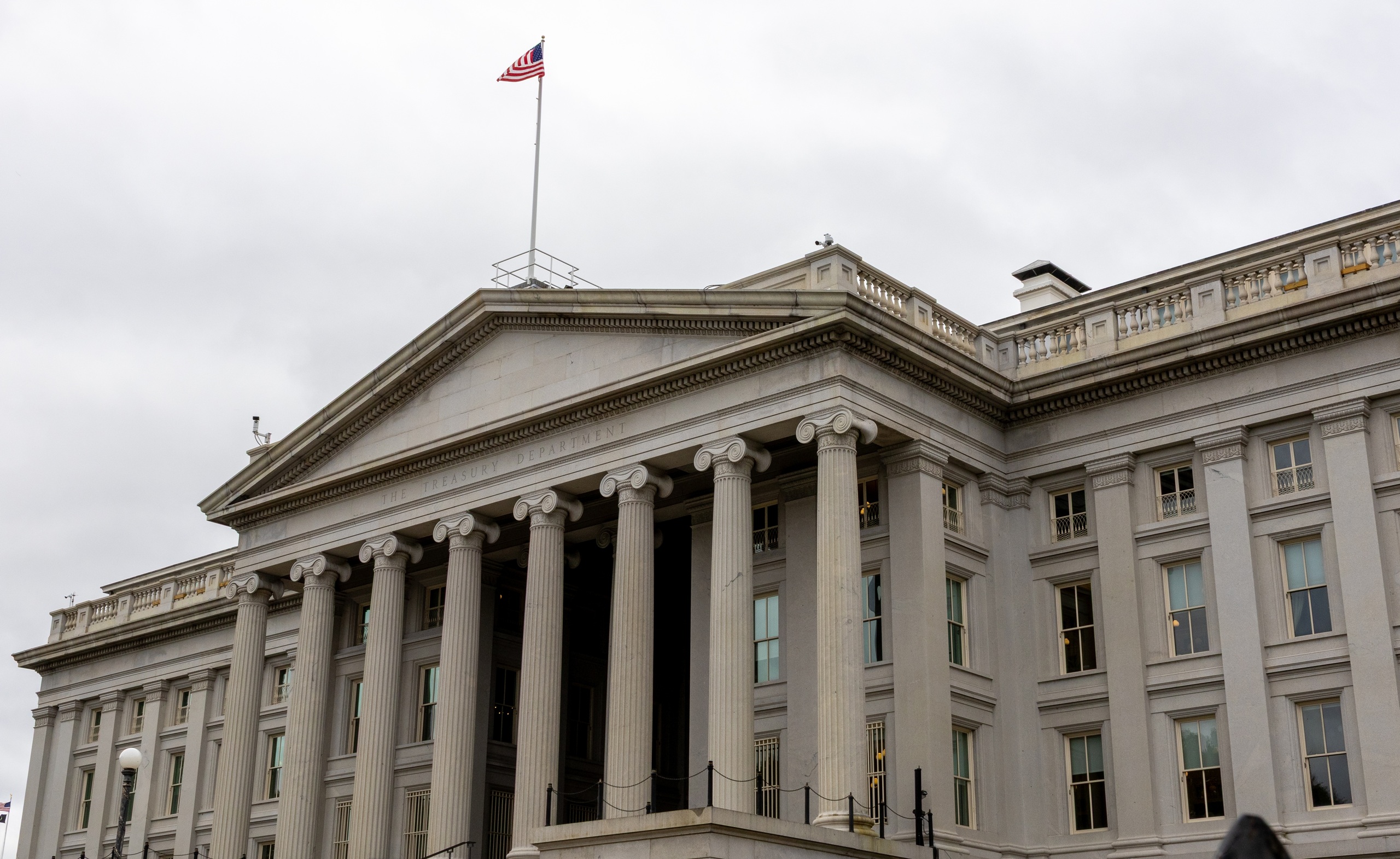
The U.S. Treasury has increased its estimated borrowing requirement for the third quarter to **$739 billion**, underscoring the continued importance of government financing in an environment shaped by elevated interest rates, persistent fiscal deficits, and uncertain economic conditions. The revised estimate is likely to draw close attention from bond investors, policymakers, and financial markets as Treasury issuance remains a key driver of liquidity and borrowing costs.
Higher Borrowing Reflects Federal Financing Needs
The Treasury’s revised borrowing estimate highlights the ongoing challenge of financing government operations while managing cash balances and funding obligations. Borrowing projections are updated periodically to reflect changes in tax receipts, government expenditures, and expected cash flows.
A higher borrowing requirement generally results in increased issuance of Treasury bills, notes, and bonds. These securities serve as the primary financing mechanism for the U.S. government and are widely held by domestic institutions, foreign central banks, pension funds, and global investors.
While Treasury borrowing is a routine component of fiscal management, larger issuance volumes can influence financial conditions by increasing the supply of government debt available in the market. Investor demand for these securities will remain an important factor in determining borrowing costs.
Potential Impact on Bond Markets and Monetary Policy
An increase in Treasury issuance can affect government bond yields, particularly if investor demand does not fully keep pace with the expanding supply. Higher yields may raise financing costs across the broader economy, influencing mortgages, corporate borrowing, and consumer lending.
Market participants are also evaluating how the Treasury’s financing plans interact with Federal Reserve policy. If the Fed maintains relatively high interest rates while Treasury issuance increases, financial conditions could remain tighter for longer. Conversely, expectations for future rate cuts may help offset some upward pressure on yields.
Treasury auctions scheduled throughout the quarter will provide important signals regarding investor appetite for U.S. government debt. Strong auction demand may support market stability, while weaker demand could contribute to increased volatility in fixed-income markets.
Global Implications and Relevance for Israeli Investors
The U.S. Treasury market serves as the benchmark for global fixed-income markets, making changes in borrowing requirements relevant well beyond the United States. Treasury yields influence capital flows, currency markets, corporate financing costs, and valuation models used across international equity and bond markets.
For investors in Israel, developments in U.S. government borrowing are particularly important because many institutional portfolios include U.S. Treasuries or assets whose valuations are influenced by Treasury yields. Rising yields can affect global equity valuations, particularly in growth-oriented sectors such as technology, while also influencing exchange rates and international investment flows.
Israeli financial institutions and multinational companies also monitor Treasury market conditions when evaluating financing costs, cross-border investment opportunities, and portfolio allocation decisions.
Looking ahead, investors will closely follow upcoming Treasury auctions, federal budget developments, inflation data, and Federal Reserve communications. The interaction between government borrowing, monetary policy, and investor demand will remain a key determinant of global financial conditions during the coming quarters.
Comparison, examination, and analysis between investment houses
Leave your details, and an expert from our team will get back to you as soon as possible
* This article, in whole or in part, does not contain any promise of investment returns, nor does it constitute professional advice to make investments in any particular field.
To read more about the full disclaimer, click here
- Lior mor
- •
- 7 Min Read
- •
- ago 18 hours
SKN | How the US-Japan Currency Pact Challenged Yen Speculators and Reshaped FX Strategy
The Japanese yen has become the focus of an unusual alignment between Washington and Tokyo, as both governments moved
- ago 18 hours
- •
- 7 Min Read

The Japanese yen has become the focus of an unusual alignment between Washington and Tokyo, as both governments moved
- Lior mor
- •
- 6 Min Read
- •
- ago 19 hours
SKN | U.S. Treasury Raises Borrowing Needs as Federal Debt Management Faces Growing Pressure
The U.S. Treasury Department raised its estimate for federal borrowing requirements in the third quarter, signaling continued pressure on
- ago 19 hours
- •
- 6 Min Read

The U.S. Treasury Department raised its estimate for federal borrowing requirements in the third quarter, signaling continued pressure on

- sagi habasov
- •
- 8 Min Read
- •
- ago 1 day
SKN | Is India Emerging as the Global Economy’s New Anchor of Stability?
While the global economy continues to navigate through a thick fog of uncertainty—ranging from exhausting geopolitical crises to interest rate
- ago 1 day
- •
- 8 Min Read

While the global economy continues to navigate through a thick fog of uncertainty—ranging from exhausting geopolitical crises to interest rate

- Arik Arkadi Sluzki
- •
- 6 Min Read
- •
- ago 4 days
SKN | Dollar Weakens Against Yen as Intervention Risks Reshape Currency Market Expectations
The U.S. dollar weakened against the Japanese yen on July 31 as concerns over potential currency intervention by Japanese
- ago 4 days
- •
- 6 Min Read

The U.S. dollar weakened against the Japanese yen on July 31 as concerns over potential currency intervention by Japanese


