





- Ronny Mor
- •
- 6 Min Read
- •
- 2 hours ago
Key Points
- Nvidia's forward price-to-earnings (P/E) ratio has declined to its lowest level in roughly a decade, according to the chart shown above.
- The lower valuation comes despite Nvidia remaining at the center of the global artificial intelligence infrastructure buildout.
- Investors are increasingly weighing rapid earnings growth against moderating valuation multiples as AI spending continues to accelerate.
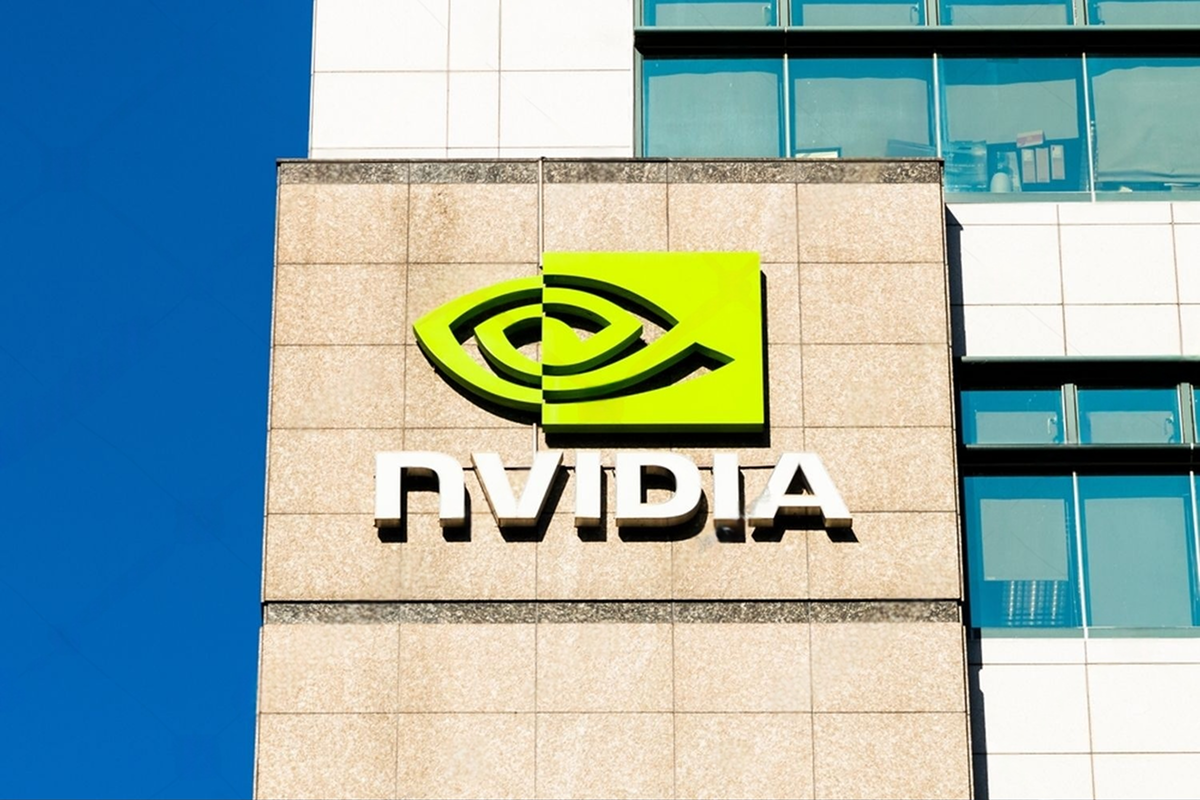
Nvidia is trading at one of its lowest forward valuation multiples in nearly ten years, according to the chart referenced above. The decline in its forward price-to-earnings ratio comes even as the company remains the dominant supplier of AI accelerators powering hyperscale cloud providers and enterprise artificial intelligence deployments worldwide.
The divergence between fundamental growth and valuation compression has become one of the defining themes for investors following Nvidia’s remarkable expansion over the past several years. Rather than reflecting weakening earnings expectations alone, a lower forward multiple may also indicate that corporate profits are growing rapidly enough to outpace the company’s rising share price.
Forward Valuation Has Compressed Despite Record Growth
The chart illustrates that Nvidia’s forward P/E ratio has fallen to levels not seen since approximately 2016. Forward valuation measures a company’s share price relative to analysts’ expected earnings over the next twelve months and is widely used to assess market expectations for future profitability.
A declining forward multiple does not necessarily indicate deteriorating fundamentals. In Nvidia’s case, the compression appears to coincide with exceptionally strong earnings growth driven by accelerating demand for AI processors, networking hardware, and software infrastructure. As earnings forecasts have risen substantially, valuation multiples have gradually normalized despite continued share price appreciation.
AI Infrastructure Spending Continues to Support Long-Term Demand
Nvidia remains a critical supplier to many of the world’s largest technology companies, including hyperscale cloud providers investing heavily in artificial intelligence infrastructure. Major customers continue allocating tens of billions of dollars toward data centers, AI clusters, and next-generation computing platforms, supporting demand for Nvidia’s GPU ecosystem.
This environment has strengthened investor confidence in the durability of AI-related capital expenditures. However, markets have also become increasingly focused on whether current infrastructure investment levels can be sustained over multiple years, making valuation an increasingly important consideration for institutional investors.
What Lower Multiples May Signal for Investors
Lower valuation multiples can reflect several market dynamics. They may indicate that investors are becoming more disciplined in pricing future growth, or they may simply reflect earnings expanding faster than share prices. For companies experiencing rapid profit growth, valuation compression can occur without implying weaker business performance.
For global investors, including those in Israel, Nvidia remains one of the most influential companies within the semiconductor and artificial intelligence sectors. Its financial performance continues to shape sentiment across technology stocks, semiconductor suppliers, cloud computing providers, and AI infrastructure investments worldwide.
Looking ahead, investors will closely monitor Nvidia’s upcoming earnings reports, demand trends for next-generation AI chips, customer capital expenditure plans, and competitive developments across the semiconductor industry. Whether the company’s earnings continue growing rapidly enough to justify current valuations will likely remain one of the key questions shaping market sentiment over the coming quarters.
Comparison, examination, and analysis between investment houses
Leave your details, and an expert from our team will get back to you as soon as possible
* This article, in whole or in part, does not contain any promise of investment returns, nor does it constitute professional advice to make investments in any particular field.
To read more about the full disclaimer, click here
- Lior mor
- •
- 6 Min Read
- •
- ago 1 hour
SKN | Has Netflix Become a High-Quality Business the Market Has Left Behind?
Netflix has re-emerged as a focal point in discussions about valuation after data highlighted a significant divergence between the
- ago 1 hour
- •
- 6 Min Read
Netflix has re-emerged as a focal point in discussions about valuation after data highlighted a significant divergence between the

- omer bar
- •
- 6 Min Read
- •
- ago 2 hours
SKN | ServiceNow Recovery Gains Momentum as Jensen Huang’s Endorsement and Technical Signals Renew Investor Interest
ServiceNow has returned to investors' watchlists as improving technical indicators coincide with renewed attention following comments previously made by
- ago 2 hours
- •
- 6 Min Read
ServiceNow has returned to investors' watchlists as improving technical indicators coincide with renewed attention following comments previously made by

- orshu
- •
- 5 Min Read
- •
- ago 3 hours
SKN | Apple Suffers Worst Single-Day Stock Decline Since 2020 as Investors Reassess Growth Outlook
Apple experienced its largest single-day stock decline since 2020, with shares falling nearly 10% during the trading session, according
- ago 3 hours
- •
- 5 Min Read
Apple experienced its largest single-day stock decline since 2020, with shares falling nearly 10% during the trading session, according

- Arik Arkadi Sluzki
- •
- 5 Min Read
- •
- ago 4 hours
SKN | Amazon Delivers Powerful Earnings Beat as AWS Strength Continues to Drive AI Growth
Amazon delivered another strong quarterly performance, surpassing analyst expectations across several key financial metrics. The company's results highlight the
- ago 4 hours
- •
- 5 Min Read

Amazon delivered another strong quarterly performance, surpassing analyst expectations across several key financial metrics. The company's results highlight the


