





- omer bar
- •
- 6 Min Read
- •
- 2 hours ago
Key Points
- Geopolitical and Technological Escalation: Tensions between the U.S. and China are intensifying over accusations of tech theft and calls to ban Chinese models on national security and cybersecurity grounds.
- A Cheap, Threatening Alternative: Chinese open-source models are showing performance that matches leading U.S. counterparts at a fraction of the cost—challenging Big Tech's dominance.
- Risks to the Global Economy and the Dollar: Import and export restrictions could harm U.S. productivity, reinforce monopolies at the expense of startups, and split the global tech ecosystem, threatening bond markets and the U.S. Dollar.
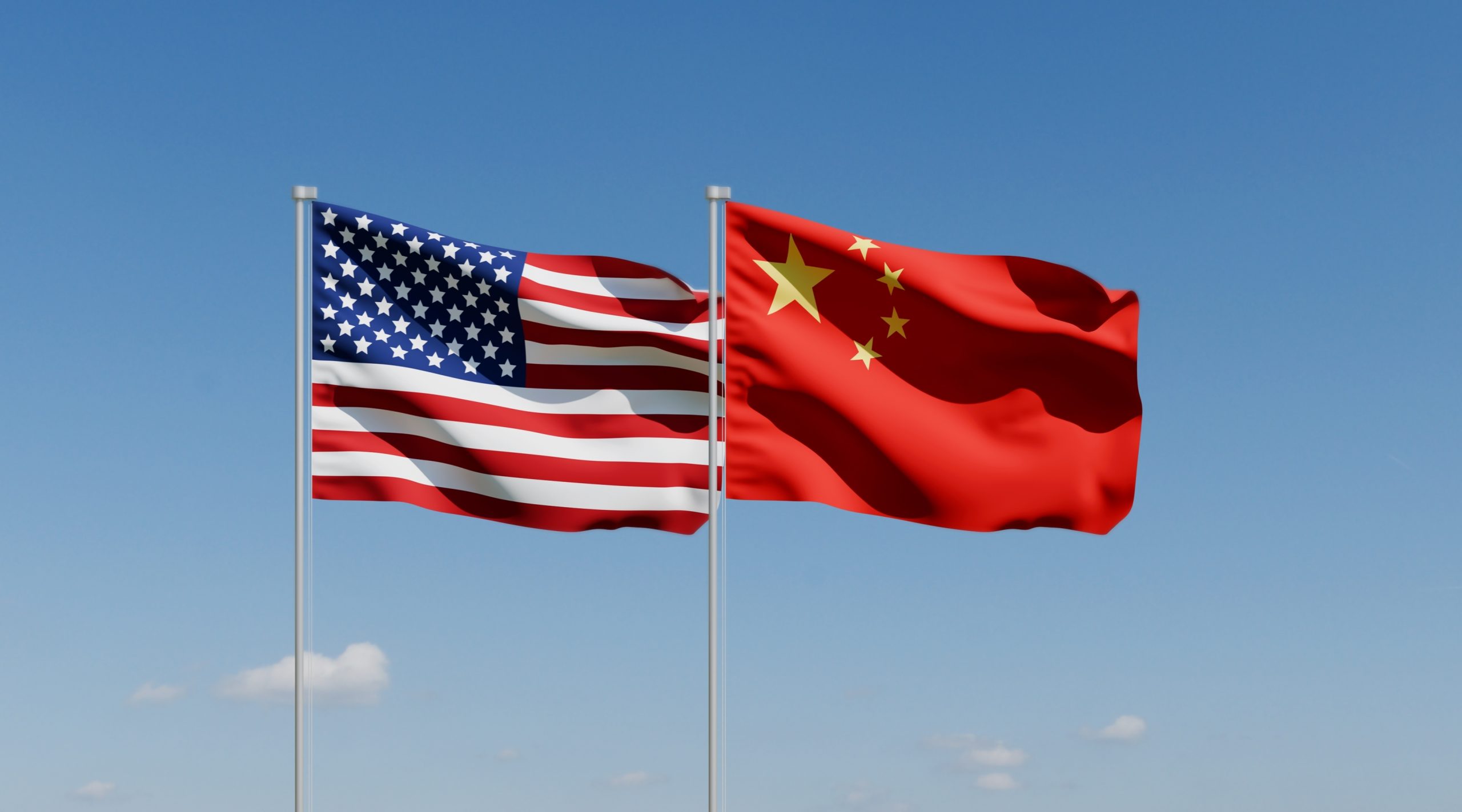
In recent weeks, rhetoric from Washington has escalated dramatically, featuring sharp allegations of intellectual property theft and unauthorized use of advanced language models. Within the U.S. political establishment, calls are growing to completely ban Chinese models, citing national security and cybersecurity concerns.
Yet beneath the politics and combative statements lies a far deeper economic and technological drama.
Matching Performance at a Fraction of the Cost
Until recently, the prevailing consensus in the tech industry was that only American tech giants—armed with vast capital and massive server farms—could lead the AI revolution. However, new Chinese open-source models are turning the tables.
These models are beginning to deliver performance comparable to top American offerings, but at a fraction of the cost. This development not only challenges the exclusivity of Big Tech, but also raises fundamental questions about future revenue distribution across the industry: Is the expensive licensing model of tech giants set to collapse in favor of cheap, accessible alternatives?
The Price of Protectionism: Reduced Productivity and Stronger Monopolies
In an effort to block Chinese entry, Washington is considering strict regulatory import and export controls. But such defensive moves carry a steep economic price.
Restricting access to low-cost foreign models will force U.S. companies, startups, and consumers to pay significantly more for access to technology and knowledge. This cost gap threatens to erode American productivity relative to the rest of the world, which would enjoy free and cheaper access to tech solutions.
Furthermore, heavy regulation primarily benefits dominant players. Tech giants have the resources to absorb compliance costs, while smaller startups risk being priced out of the market—reinforcing market concentration and stifling innovation.
Global Fragmentation and the Threat to the Dollar
The most alarming consequence of these restrictive policies is the risk of fracturing the global tech landscape into two distinct ecosystems: a Western-American framework and an Eastern-Chinese one.
Such a split is not just a matter of software; it carries broad macroeconomic implications. Fracturing technology and supply chains could weigh heavily on global bond markets, heighten financial uncertainty, and, over the medium to long term, erode the historical status of the U.S. Dollar as the world’s primary reserve currency.
The race for artificial intelligence is no longer just a competition between algorithms—it is a battle over the future of the global economic and geopolitical order. Decisions made in Washington and Beijing in the coming months will shape not only the cost of your next AI subscription, but the structure of the world economy for decades to come.
Comparison, examination, and analysis between investment houses
Leave your details, and an expert from our team will get back to you as soon as possible
* This article, in whole or in part, does not contain any promise of investment returns, nor does it constitute professional advice to make investments in any particular field.
To read more about the full disclaimer, click here
- Ronny Mor
- •
- 7 Min Read
- •
- ago 5 hours
SKN | OpenAI Revenue Growth Accelerates as CFO Signals Stronger Momentum Beyond Q2 Performance
OpenAI’s financial momentum continued strengthening after Chief Financial Officer Sarah Friar informed employees that the company’s annualized recurring revenue in
- ago 5 hours
- •
- 7 Min Read

OpenAI’s financial momentum continued strengthening after Chief Financial Officer Sarah Friar informed employees that the company’s annualized recurring revenue in

- Lior mor
- •
- 6 Min Read
- •
- ago 9 hours
SKN | Why Intel’s Rare Chip Technology Partnership Could Signal a New Strategy for Semiconductor Growth
Intel is reportedly providing semiconductor technology to a startup led by a co-investor of Chief Executive Officer Lip-Bu Tan, an
- ago 9 hours
- •
- 6 Min Read
Intel is reportedly providing semiconductor technology to a startup led by a co-investor of Chief Executive Officer Lip-Bu Tan, an
- Ronny Mor
- •
- 6 Min Read
- •
- ago 9 hours
SKN | Can Sony’s Bid for Tamron Strengthen Its Leadership in the Global Imaging Market?
Sony has reportedly made an acquisition proposal for Japanese lens manufacturer Tamron, signaling another potential step in the company's strategy
- ago 9 hours
- •
- 6 Min Read

Sony has reportedly made an acquisition proposal for Japanese lens manufacturer Tamron, signaling another potential step in the company's strategy

- omer bar
- •
- 8 Min Read
- •
- ago 12 hours
SKN | TSMC Shares Slide as Global AI Stock Selloff Overshadows Record Earnings
Taiwan Semiconductor Manufacturing Co. (NYSE: TSM), the world's largest contract chipmaker, saw its shares fall sharply as a broad selloff
- ago 12 hours
- •
- 8 Min Read

Taiwan Semiconductor Manufacturing Co. (NYSE: TSM), the world's largest contract chipmaker, saw its shares fall sharply as a broad selloff


