





- sagi habasov
- •
- 6 Min Read
- •
- 23 hours ago
Key Points
- An Iranian missile attack on U.S. forces and reported incidents in the Red Sea triggered a spike of over 5% in crude oil prices.
- Concerns over damage to energy infrastructure in the Persian Gulf threaten supply chains and heighten global geopolitical risks.
- Financial markets simultaneously face hawkish signals from the U.S. Federal Reserve ahead of its upcoming interest rate decision.
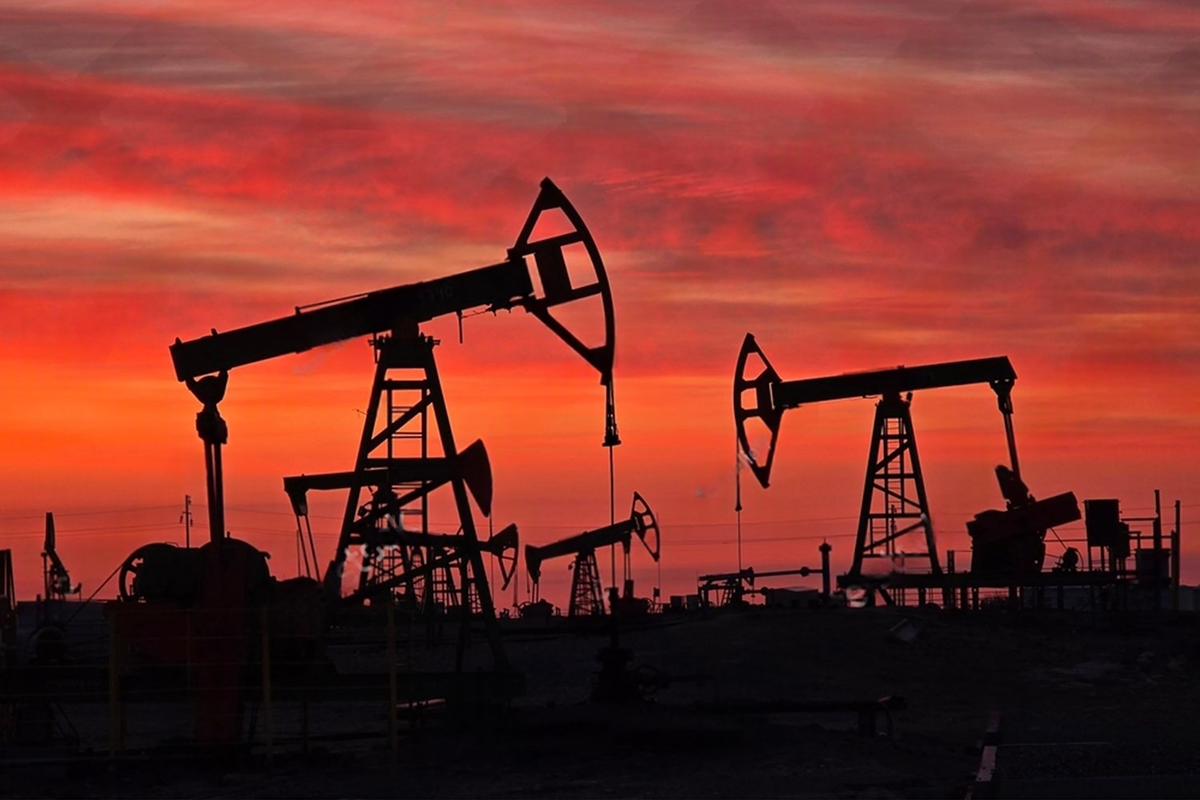
The Middle East is experiencing a sharp military escalation, triggering significant volatility across global energy markets. A ballistic missile attack launched by Iran against American forces, alongside retaliatory strikes by the U.S. and Saudi Arabia on terrorist targets in Iraq, prompted an immediate spike in crude oil prices during Asian trading hours. These military developments have heightened investor anxiety regarding potential prolonged disruptions to the global energy supply, introducing substantial uncertainty into the global economy just as markets await the Federal Reserve’s upcoming monetary policy announcement.
Surge in Crude Oil Prices
Financial markets reacted rapidly and aggressively. September futures for international benchmark Brent crude surged by 5.17%, reaching $88.44 per barrel. Simultaneously, West Texas Intermediate (WTI) crude futures advanced by 4.83%, rising to $81.91 per barrel.
This rapid appreciation reflects the reintroduction of a geopolitical risk premium into energy valuations following official statements from U.S. Central Command (Centcom) regarding the attempted Iranian attack, alongside large-scale retaliatory strikes by U.S. and Saudi forces against logistics and weapons facilities belonging to Iran-aligned militias.
Threats to Shipping Routes and Infrastructure
Beyond direct military engagement, risks are expanding into maritime logistics and critical infrastructure. The United Kingdom Maritime Trade Operations (UKMTO) reported “suspicious activity” and an explosion near a tanker transiting the southern Red Sea. Concurrently, intensifying attacks by Houthi forces in Yemen targeting Saudi oil production, storage sites, and port facilities have escalated fears of widespread supply chain disruptions.
Energy analysts emphasize that threats to vital shipping lanes in the Red Sea, combined with risks to Persian Gulf production capacities, could lead to physical crude shortages, potentially driving prices higher over the short to medium term.
Energy Inflation Meets Monetary Policy
The rally in oil prices arrives at an exceptionally sensitive time for global financial markets. Federal Reserve Chairman Kevin Warsh adopted a notably hawkish tone during his first FOMC meeting as Fed chief, leaving traders divided over the central bank’s upcoming rate decision.
Surging energy prices pose a direct inflationary risk. Higher fuel costs quickly filter into transportation and production overhead across all economic sectors. This dynamics presents the Federal Reserve with a complex dilemma: renewed inflationary pressures advocating for sustained or elevated interest rates versus mounting risks to global economic growth driven by geopolitical instability.
What’s Next: Investor Sentiment and Risk Assessment
In the short term, market volatility is expected to remain elevated. Investors will closely monitor two primary vectors: further military responses in the Middle East and the Federal Reserve’s forthcoming policy rate decision. Should security tensions continue to escalate and threaten physical output, markets will be forced to price in a scenario of persistent inflation combined with slowing economic growth. Conversely, measured communication from central bankers alongside a de-escalation in maritime threats could moderate price gains and stabilize capital flows.
Comparison, examination, and analysis between investment houses
Leave your details, and an expert from our team will get back to you as soon as possible
* This article, in whole or in part, does not contain any promise of investment returns, nor does it constitute professional advice to make investments in any particular field.
To read more about the full disclaimer, click here
- omer bar
- •
- 6 Min Read
- •
- ago 19 hours
SKN | Is the Bank of Japan Preparing for a More Aggressive Fight Against Inflation?
Japan's long-standing era of ultra-loose monetary policy is facing renewed scrutiny after a prominent inflation expert suggested the Bank of
- ago 19 hours
- •
- 6 Min Read

Japan's long-standing era of ultra-loose monetary policy is facing renewed scrutiny after a prominent inflation expert suggested the Bank of

- Ronny Mor
- •
- 7 Min Read
- •
- ago 2 days
SKN | Oil Prices are Climbing, But Interest Rates Will Likely Pause: What Does This Mean for Your Money?
Why Would Oil Prices Rise, But Not Interest Rates? The U.S. central bank is in an interesting spot right now.
- ago 2 days
- •
- 7 Min Read
Why Would Oil Prices Rise, But Not Interest Rates? The U.S. central bank is in an interesting spot right now.

- orshu
- •
- 7 Min Read
- •
- ago 6 days
SKN | Gold Advances as Investors Balance Geopolitical Risks, Oil Prices, and Fed Rate Expectations
Gold prices strengthened on Friday as investors sought protection against geopolitical uncertainty while evaluating the potential impact of energy
- ago 6 days
- •
- 7 Min Read

Gold prices strengthened on Friday as investors sought protection against geopolitical uncertainty while evaluating the potential impact of energy
- omer bar
- •
- 6 Min Read
- •
- ago 6 days
SKN | Could Rising Diesel Prices Reignite Inflation? Transportation Costs Surge 10% in Less Than a Month
A sharp rise in U.S. diesel prices is drawing renewed attention from investors, economists, and policymakers as transportation costs begin
- ago 6 days
- •
- 6 Min Read
A sharp rise in U.S. diesel prices is drawing renewed attention from investors, economists, and policymakers as transportation costs begin


